
Flexible and rigid cystoscopy: key differences
Short answer
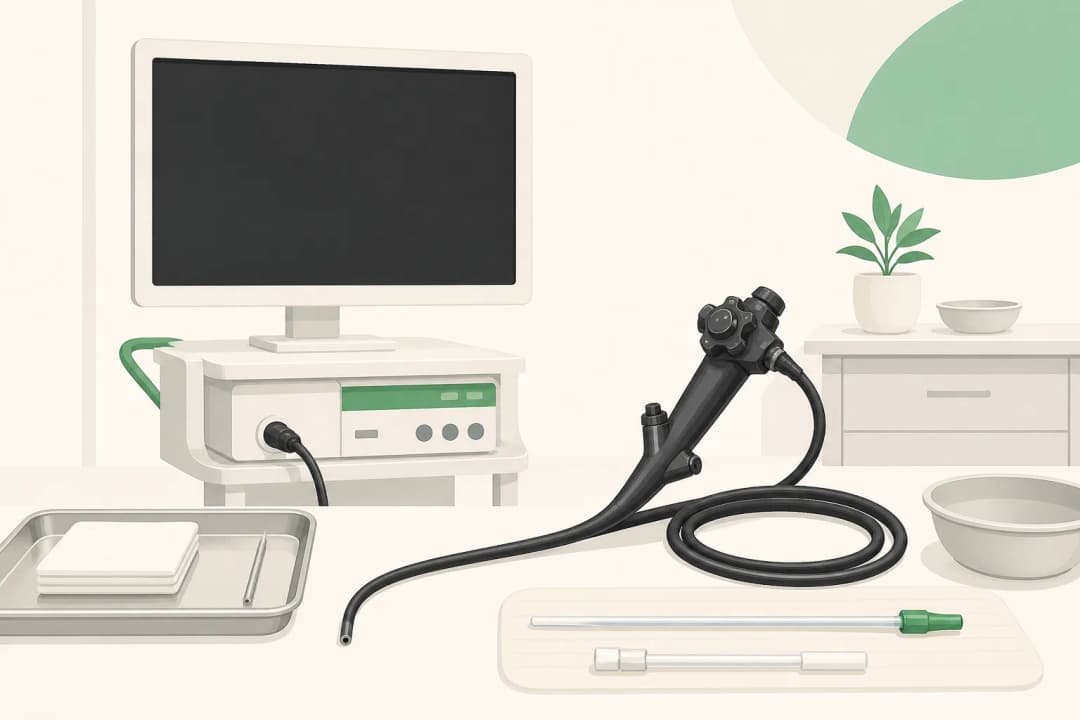
Flexible cystoscopy uses a bendable, usually narrower scope mainly for inspection, while rigid cystoscopy uses a straight instrument that provides a larger channel for biopsy or treatment.
This answers one question. It is not a diagnosis and does not replace an assessment by a licensed doctor.
At a glance
- Flexible scope
- Bendable and commonly used for direct inspection.
- Rigid scope
- Straight, with more room to pass operating instruments.
- Anaesthesia
- Depends on the scope, intended procedure, and individual circumstances.
The practical difference
Either instrument lets the clinician view the urethra and bladder. The choice reflects the purpose of the procedure, anatomy, equipment, and whether the clinician expects to pass instruments into the bladder.
Why one type may be chosen
A flexible scope can follow the curves of the urethra and is well suited to examining the bladder lining, investigating urinary symptoms, or checking the bladder after previous disease. The clinician can usually complete this without a surgical incision.
A rigid scope allows a stable view and room for instruments. It may be selected when taking a larger biopsy, removing an abnormal area or stone, controlling bleeding, or carrying out another planned intervention. Finding something during flexible cystoscopy can therefore lead to a later rigid procedure.
What to do before and after
Read the specific instructions rather than relying on the procedure name. Flexible cystoscopy with local anaesthetic may require little preparation, whereas a rigid procedure with sedation or anaesthesia can require fasting, medicine changes, and arrangements for an adult to take you home.
Tell the team about anticoagulants, antiplatelet medicines, allergies, pregnancy, urinary infection symptoms, and previous urethral problems. Afterward, follow advice about fluids, activity, pain relief, and when to restart medicines.
Warning signs during recovery
Some burning, urgency, or lightly blood-stained urine may occur briefly. Call the clinical service if discomfort intensifies, bleeding becomes heavier, clots appear, or you develop fever, chills, foul-smelling urine, or increasing pain in the lower abdomen or back.
Get urgent help if you are unable to urinate, feel faint, have severe uncontrolled pain, or experience heavy ongoing bleeding. Recovery can differ after a biopsy or treatment, so use the contact details and thresholds in your discharge paperwork.
Questions to ask before consent
Confirm which instrument is planned and why, whether the procedure is diagnostic or therapeutic, what anaesthetic will be used, and whether a biopsy is expected. Ask how long you should avoid driving or strenuous activity, when results will arrive, and who will explain the next step.
Questions people ask
Is rigid cystoscopy more accurate than flexible cystoscopy?
Not as a general rule. Both provide a view of the bladder; the rigid instrument is particularly useful when access for biopsy or treatment is needed.
Can a biopsy be taken during flexible cystoscopy?
Small samples may be possible with some flexible equipment, but the clinician may arrange a rigid cystoscopy when a larger sample or treatment is required.
Does choosing a flexible scope mean no anaesthetic is used?
No. Local anaesthetic gel is commonly placed in the urethra. Other anaesthesia or sedation may be offered according to the situation.
Related
Related reading
Keep reading
Cancer care in the UAE
Hospitals & Medical Centers in Abu Dhabi
Most UAE cancer care is delivered inside hospital services rather than by standalone oncology clinics, so these are licensed hospitals & medical centers listed in Abu Dhabi. Confirm the specific cancer service exists before you travel, and know that asking for a second opinion is routine.
Ahalia Hospital Musaffah Building - Musaffah - Musaffah Industrial - Abu Dhabi - United Arab Emirates
Accepts: Daman, Thiqa, AXA, Cigna +26 more
Al Ruwais Industrial City - Abu Dhabi - United Arab Emirates
Accepts: Daman, Thiqa, AXA, Cigna +30 more
Abu Dhabi, Abu Dhabi
Accepts: Daman, Thiqa, AXA, Cigna +30 more
Second opinions are routine in cancer care and asking for one does not affect your treatment. How to arrange a second opinion in the UAE.
Ordered by verification status and how complete each clinic's public record is, then alphabetically. This is a directory listing, not a ranking — Zavis does not rate or recommend providers.
A factual listing drawn from the DHA, DOH and MOHAP licence registers. It is not a referral, an endorsement, or advice that any of these providers is right for you.
Medical disclaimer. This page is general health information, not medical advice, and it cannot diagnose you. Always consult a licensed healthcare provider about your own symptoms and treatment. In an emergency in the UAE, call 998 for an ambulance.