
What should you know about dark red urine in males?
Short answer
Dark red urine in a male needs attention because it can reflect blood, concentrated urine, medicines, food pigments, or liver and urinary problems.
This answers one question. It is not a diagnosis and does not replace an assessment by a licensed doctor.
At a glance
- Possible sources
- Concentration, blood, pigments, medicines, or liver and urinary problems
- Useful detail
- Record timing, associated symptoms, and recent medicines or exercise
What it can mean
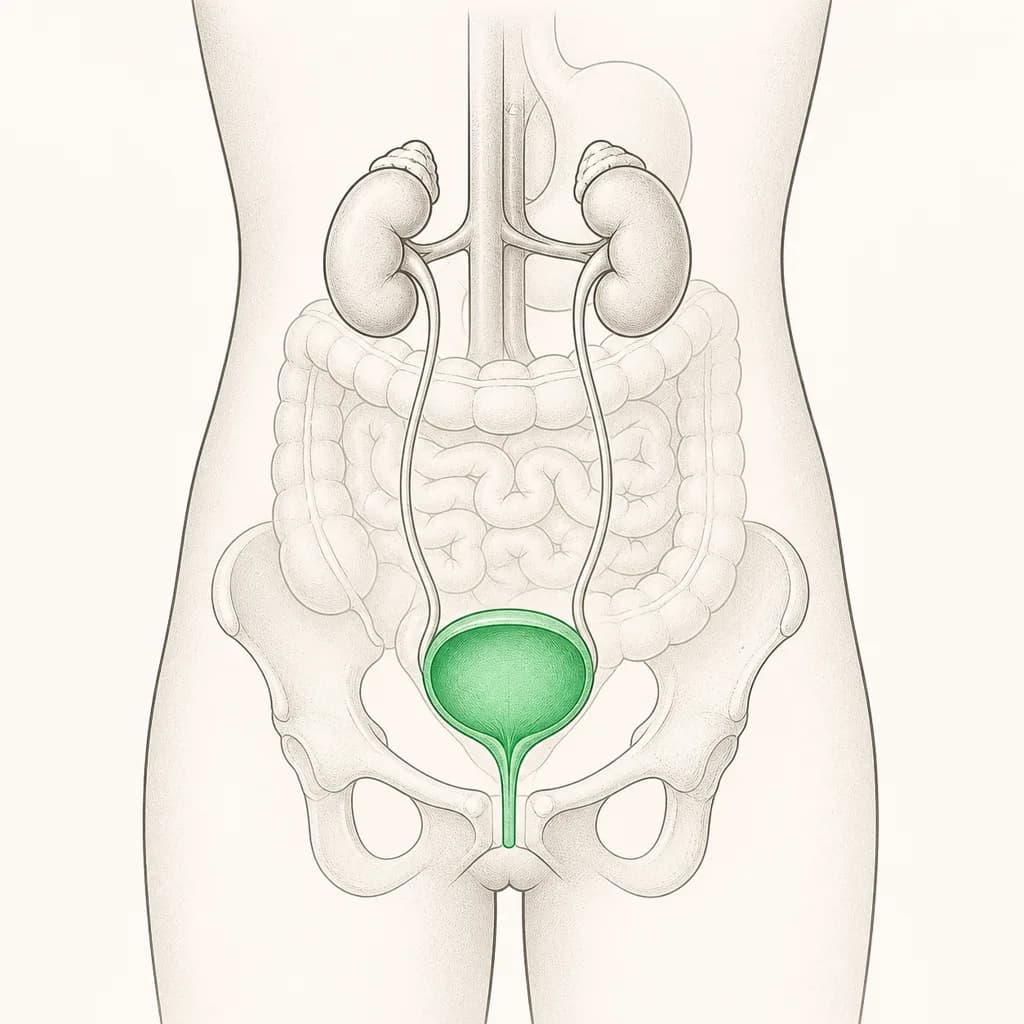
A deep amber or brown-red colour may appear when urine is concentrated after sweating, fever, vomiting, diarrhoea, or not drinking enough. Blood from the kidneys, bladder, urethra, or prostate can make urine pink, red, or cola-coloured; burning, urgency, side pain, or clots can provide useful clues. Liver or bile-flow problems may darken urine and occur with yellowing of the eyes, pale stools, nausea, or itching. A colour change after a new medicine, supplement, or strongly coloured food is also possible. Colour alone cannot identify the cause, and dark urine does not by itself mean cancer. For context, see [Dark Urine](/symptoms/dark-urine/) and information about [Dehydration](/conditions/dehydration/).
What to do now
Notice when the colour started, whether it changes with fluids, and whether there is pain, fever, reduced urine, a new medicine, strenuous exercise, or visible blood. Drink fluids normally if you can do so safely, but do not force large amounts if you have been told to restrict fluids. Arrange a clinical assessment if the colour persists, returns, or has no clear explanation. A clinician may check a urine sample, kidney function, blood count, and liver-related tests.
When to seek care
Seek urgent care for inability to pass urine, heavy bleeding or clots, severe flank or abdominal pain, faintness, confusion, high fever, repeated vomiting, or marked weakness. Get prompt medical advice for dark urine with yellow eyes, pale stools, swelling, or new pain in the testicle or back. Heat exposure with dizziness, headache, nausea, or weakness warrants attention; read about [Heat Exhaustion](/conditions/heat-exhaustion/).
Questions for your doctor
Ask whether the urine should be tested for blood, infection, protein, or pigment; whether your medicines or supplements could change its colour; and which symptoms should prompt same-day review. Mention recent exercise, dehydration, fever, urinary symptoms, and any liver symptoms.
Find care
General Clinics & Polyclinics in Abu Dhabi
That answer is general. If you want it applied to your own case, these are licensed general clinics & polyclinics listed in Abu Dhabi.
27 Ar Ruwwad St - Shakhbout City - MSH4 - Abu Dhabi - United Arab Emirates
Accepts: Daman, Thiqa, Cigna, MetLife +20 more
Al Ruwais, Al Dhafrah
Accepts: Daman, Thiqa, AXA, Cigna +16 more
Al Bahyah - Al Bahyah Old - Abu Dhabi - United Arab Emirates
Accepts: Daman, Thiqa, Cigna, Allianz Care +18 more
Abu Dhabi
Accepts: Daman, Thiqa, AXA, Cigna +27 more
Ordered by verification status and how complete each clinic's public record is, then alphabetically. This is a directory listing, not a ranking — Zavis does not rate or recommend providers.
A factual listing drawn from the DHA, DOH and MOHAP licence registers. It is not a referral, an endorsement, or advice that any of these providers is right for you.
Questions people ask
Does dark red urine always mean blood?
No. Concentrated urine, pigments, medicines, and liver-related changes can also alter colour, but visible red urine should be assessed if unexplained or persistent.
What test may be used first?
A urine sample can help distinguish blood, infection, protein, and other pigments; further tests depend on the findings and symptoms.
Related
Related reading
Keep reading
Medical disclaimer. This page is general health information, not medical advice, and it cannot diagnose you. Always consult a licensed healthcare provider about your own symptoms and treatment. In an emergency in the UAE, call 998 for an ambulance.