
What should you know about dairy constipation?
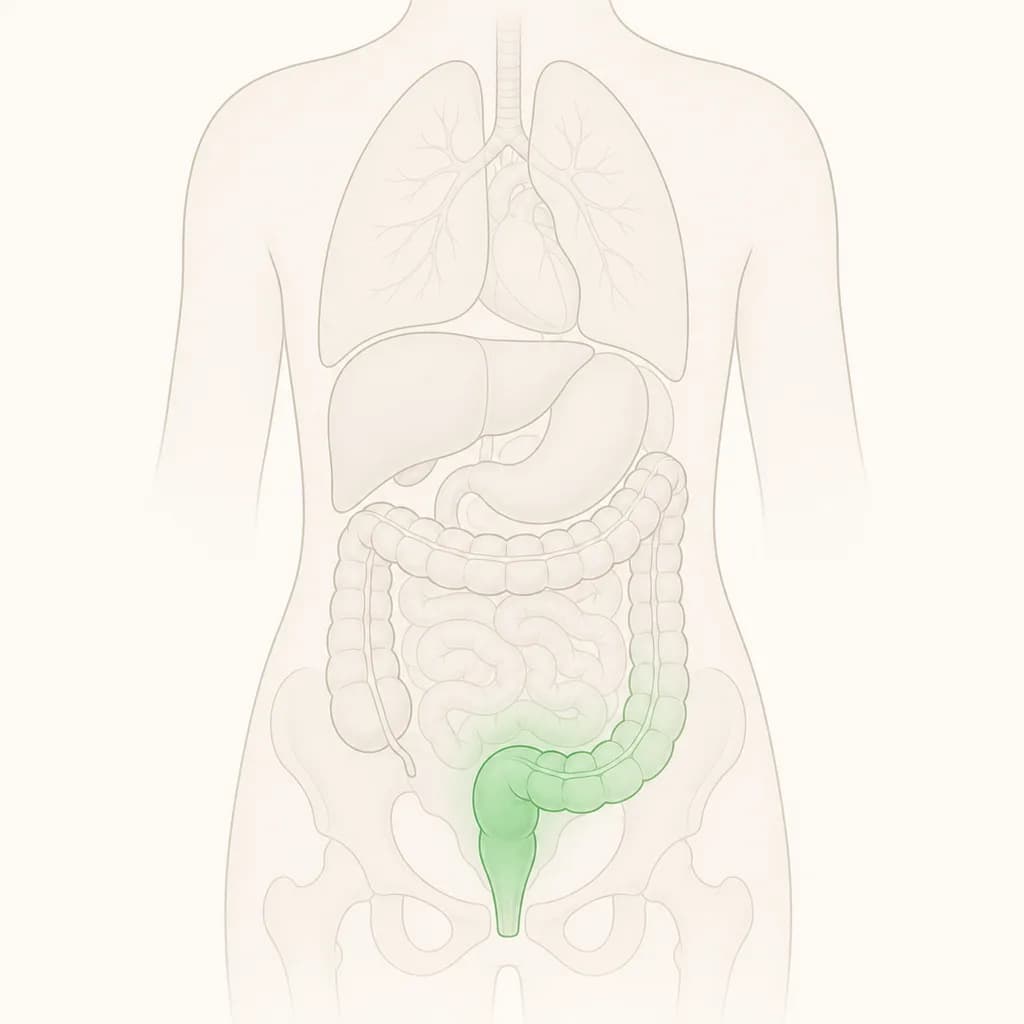
Short answer
Dairy constipation may reflect a low-fibre eating pattern or an individual food response, so persistent symptoms deserve a broader review.
This answers one question. It is not a diagnosis and does not replace an assessment by a licensed doctor.
At a glance
- Dairy pattern
- Some dairy foods provide little fibre
- Track
- Stool texture, fluids, meals and medicines
- Review needed
- Persistent or changed constipation
How dairy may fit the pattern
Constipation means stools are hard, difficult to pass, or less frequent than usual for you. Cheese and other dairy foods contain little fibre, so a diet centred on them may displace fruit, vegetables, pulses or whole grains. Some people also notice firmer stools after particular foods, although dairy itself is not the only possible explanation. Dehydration, reduced activity, medicines, irritable bowel syndrome, diverticular disease and hypothyroidism can contribute. The food diary should include the whole pattern rather than blaming one ingredient.
Steps that may help
Increase fluids gradually if a clinician has not told you to restrict them, and build fibre slowly through foods you tolerate. Gentle movement and responding to the urge to open your bowels can support regularity. Record stool texture, meals, fluids and medicines for several days. If dairy seems linked, discuss a balanced trial with Nutrition Counselling rather than cutting out calcium-containing foods without a replacement plan. A pharmacist or doctor can advise whether a laxative is suitable.
When to seek care
Seek medical advice for constipation that persists, returns often, or begins with a major change in bowel habit. Prompt assessment is needed for blood in the stool, vomiting, fever, unexplained weight loss, severe or persistent abdominal pain, or inability to pass stool and gas with increasing swelling. Urgent care is appropriate when pain is intense or you feel faint.
Questions for your doctor
Ask whether your symptoms could relate to Hypothyroidism, irritable bowel syndrome, medicines or dehydration, and what fibre and fluid changes are appropriate for you. Ask when to consider testing and which treatment is safe.
Find care
General Clinics & Polyclinics in Abu Dhabi
That answer is general. If you want it applied to your own case, these are licensed general clinics & polyclinics listed in Abu Dhabi.
27 Ar Ruwwad St - Shakhbout City - MSH4 - Abu Dhabi - United Arab Emirates
Accepts: Daman, Thiqa, Cigna, MetLife +20 more
Al Ruwais, Al Dhafrah
Accepts: Daman, Thiqa, AXA, Cigna +16 more
Al Bahyah - Al Bahyah Old - Abu Dhabi - United Arab Emirates
Accepts: Daman, Thiqa, Cigna, Allianz Care +18 more
Abu Dhabi
Accepts: Daman, Thiqa, AXA, Cigna +27 more
Ordered by verification status and how complete each clinic's public record is, then alphabetically. This is a directory listing, not a ranking — Zavis does not rate or recommend providers.
A factual listing drawn from the DHA, DOH and MOHAP licence registers. It is not a referral, an endorsement, or advice that any of these providers is right for you.
Questions people ask
Can cheese cause constipation?
Cheese may be part of a low-fibre pattern, but constipation has multiple possible causes and needs context.
What if constipation follows a dairy change?
Record the timing and discuss a balanced trial or another explanation with a clinician.
Related
Related reading
Keep reading
Medical disclaimer. This page is general health information, not medical advice, and it cannot diagnose you. Always consult a licensed healthcare provider about your own symptoms and treatment. In an emergency in the UAE, call 998 for an ambulance.