
What should you know about constipation after stomach flu?
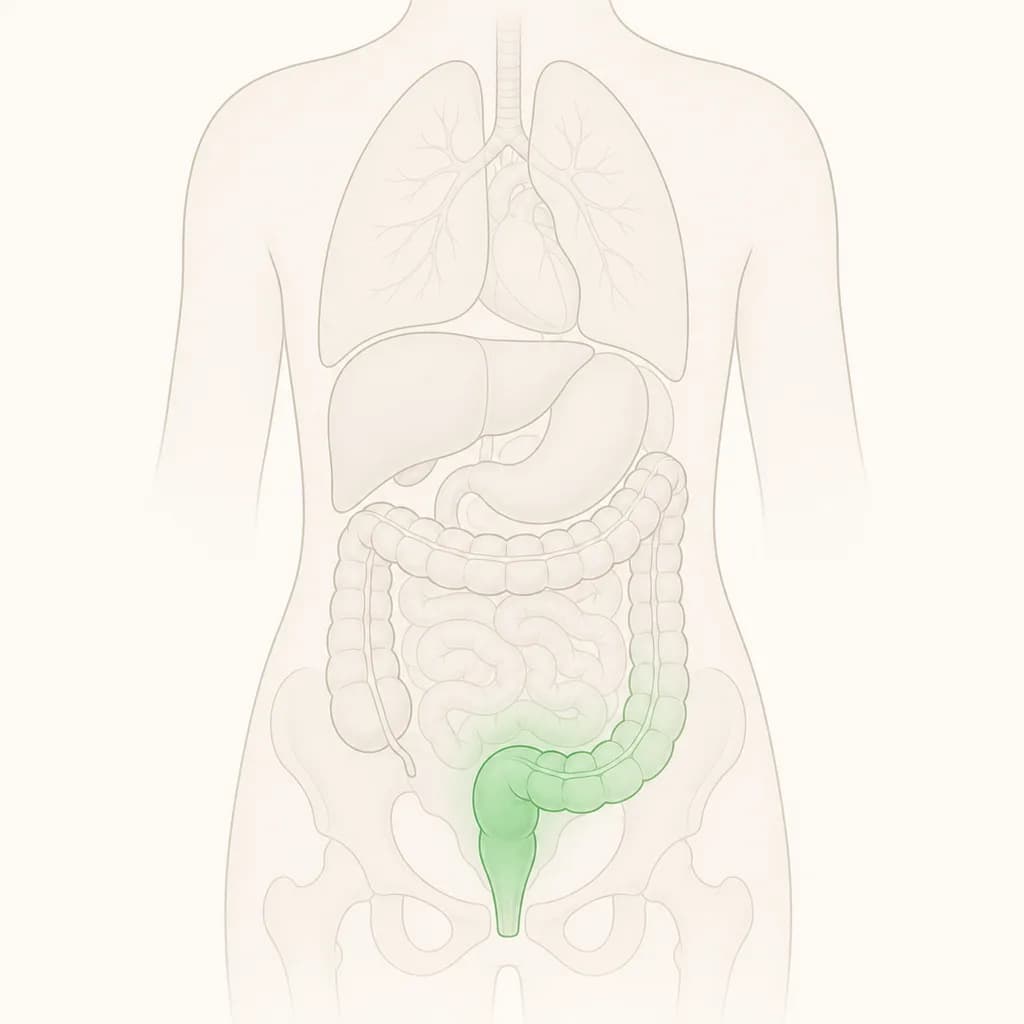
Short answer
After a stomach illness, constipation may follow fluid loss and reduced intake; rehydrate gradually, restore fibre, and watch for warning signs.
This answers one question. It is not a diagnosis and does not replace an assessment by a licensed doctor.
At a glance
- After fluid loss
- Stools may become hard when intake falls during vomiting or diarrhoea
- Recovery focus
- Small drinks, gradual food, fibre, and gentle movement
Why constipation can follow diarrhoea or vomiting
Vomiting and diarrhoea remove fluid from the body, while eating less leaves less material for the bowel. Once the illness eases, a temporary change in movement and diet can make stools firmer or less frequent. Dehydration may worsen the problem. If constipation continues after recovery, other explanations such as medicines, an underactive thyroid, irritable bowel syndrome, or a separate bowel condition may need review.
How to restart normal bowel habits
Take frequent small drinks and consider an oral rehydration product if a clinician or pharmacist recommends one. Resume food gradually, choosing soups, fruit, vegetables, oats, beans, and whole grains as tolerated. Gentle walking can stimulate bowel movement. Increase fibre step by step and pair it with fluids. Avoid repeated self-treatment with laxatives if you still have vomiting, significant pain, or a swollen abdomen; ask a pharmacist or clinician first.
When symptoms need assessment
Seek urgent help for inability to keep fluids down, faintness, very little urine, severe or worsening abdominal pain, repeated vomiting, a firm swollen abdomen, or inability to pass wind. Contact a clinician if constipation lasts beyond the illness, keeps recurring, or comes with blood or tar-like dark stool. These features may require examination rather than home care alone.
What to ask
Ask how much fluid is suitable, when to restart fibre, and whether any anti-diarrhoeal, anti-nausea, or pain medicine could be affecting your bowel. Describe the illness, your last bowel movement, urine changes, and any abdominal symptoms.
Find care
General Clinics & Polyclinics in Abu Dhabi
That answer is general. If you want it applied to your own case, these are licensed general clinics & polyclinics listed in Abu Dhabi.
27 Ar Ruwwad St - Shakhbout City - MSH4 - Abu Dhabi - United Arab Emirates
Accepts: Daman, Thiqa, Cigna, MetLife +20 more
Al Ruwais, Al Dhafrah
Accepts: Daman, Thiqa, AXA, Cigna +16 more
Al Bahyah - Al Bahyah Old - Abu Dhabi - United Arab Emirates
Accepts: Daman, Thiqa, Cigna, Allianz Care +18 more
Abu Dhabi
Accepts: Daman, Thiqa, AXA, Cigna +27 more
Ordered by verification status and how complete each clinic's public record is, then alphabetically. This is a directory listing, not a ranking — Zavis does not rate or recommend providers.
A factual listing drawn from the DHA, DOH and MOHAP licence registers. It is not a referral, an endorsement, or advice that any of these providers is right for you.
Questions people ask
Can constipation happen after diarrhoea?
Yes. Reduced intake and fluid loss can temporarily change stool consistency and bowel frequency.
When is dehydration concerning?
Very little urine, faintness, marked weakness, or inability to keep fluids down needs prompt medical advice.
Related
Related reading
Keep reading
Medical disclaimer. This page is general health information, not medical advice, and it cannot diagnose you. Always consult a licensed healthcare provider about your own symptoms and treatment. In an emergency in the UAE, call 998 for an ambulance.