
What should you know about community acquired pneumonia nice?
Short answer
Community-acquired pneumonia is an infection of the lungs outside hospital, assessed by symptoms, examination, and signs of breathing difficulty.
This answers one question. It is not a diagnosis and does not replace an assessment by a licensed doctor.
At a glance
- Where it starts
- Outside a hospital setting
- What clinicians check
- Symptoms, breathing, oxygen level, and chest findings
- Key concern
- Worsening breathing or sudden whole-body illness
Understanding the illness
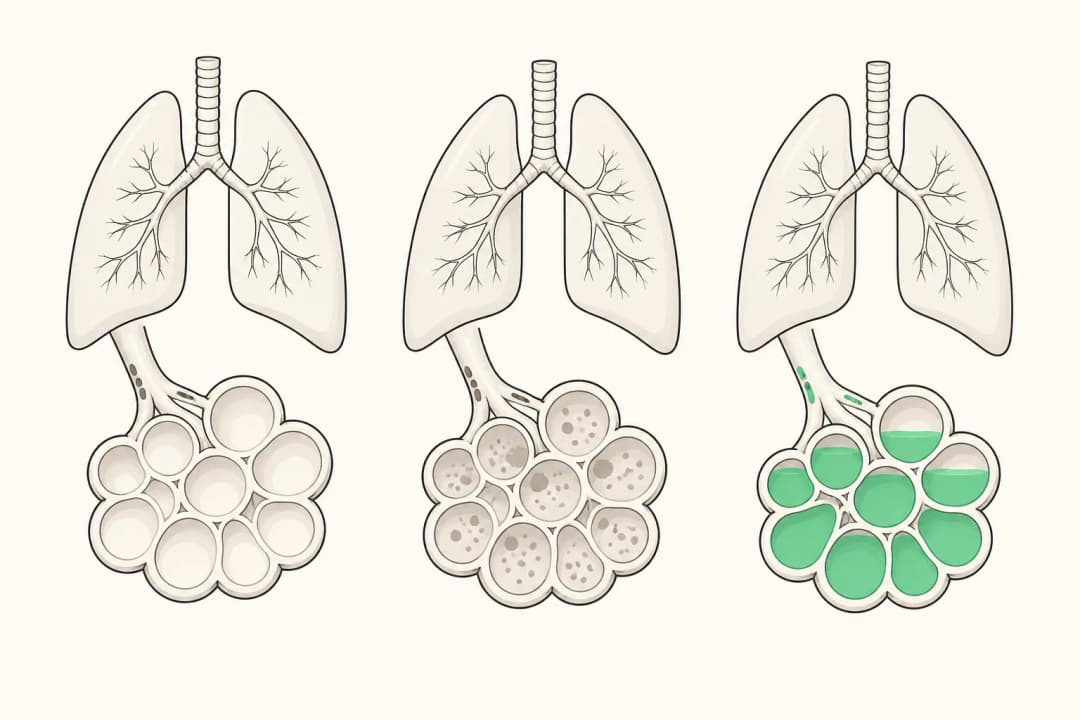
The infection inflames lung tissue and can fill small air spaces with fluid or inflammatory material. This can make oxygen transfer harder and may cause cough, phlegm, fever, chills, rapid breathing, or pain that worsens with a deep breath. Not everyone has the same combination of symptoms, particularly older adults or people with other illnesses.
A healthcare professional considers how quickly symptoms began, your medical history, breathing rate, oxygen level, and chest examination. A chest X-ray or other investigation may be useful when pneumonia needs confirmation or when the illness appears more severe. Influenza and COVID-19 can also affect the lungs, so the suspected cause matters.
Practical care
Contact a clinician promptly when a cough is accompanied by breathlessness, fever, chest discomfort, unusual weakness, or difficulty drinking. If treatment is prescribed, take it according to the instructions and do not save doses for another illness. Rest, drink suitable fluids, and avoid smoking or strenuous exertion while breathing is difficult.
Recovery is not judged by cough alone. Notice whether breathing, alertness, fever, and daily function are moving in the right direction. Arrange follow-up if symptoms do not improve as expected, return after improving, or leave you unable to manage normal activities.
Warning signs
Call emergency services for severe breathlessness, blue or grey skin around the lips, confusion, collapse, or difficulty waking. Get urgent help for rapidly worsening symptoms, severe chest pain, or inability to drink. Pneumonia can occasionally trigger sepsis, in which the whole body becomes seriously unwell; sudden deterioration should never be watched at home.
Useful questions
Ask how severe the infection appears, whether your oxygen level needs checking again, what tests are useful, and how to take each medicine. Ask when you should expect breathing and fever to improve, and what change should prompt an urgent review.
Find care
General Clinics & Polyclinics in Abu Dhabi
That answer is general. If you want it applied to your own case, these are licensed general clinics & polyclinics listed in Abu Dhabi.
27 Ar Ruwwad St - Shakhbout City - MSH4 - Abu Dhabi - United Arab Emirates
Accepts: Daman, Thiqa, Cigna, MetLife +20 more
Al Ruwais, Al Dhafrah
Accepts: Daman, Thiqa, AXA, Cigna +16 more
Al Bahyah - Al Bahyah Old - Abu Dhabi - United Arab Emirates
Accepts: Daman, Thiqa, Cigna, Allianz Care +18 more
Abu Dhabi
Accepts: Daman, Thiqa, AXA, Cigna +27 more
Ordered by verification status and how complete each clinic's public record is, then alphabetically. This is a directory listing, not a ranking — Zavis does not rate or recommend providers.
A factual listing drawn from the DHA, DOH and MOHAP licence registers. It is not a referral, an endorsement, or advice that any of these providers is right for you.
Questions people ask
Why might a chest X-ray be suggested?
It can help confirm lung involvement when symptoms and examination do not provide enough certainty or when the illness seems more serious.
Should I wait for a cough to become severe?
No. Breathlessness, fever, chest pain, marked weakness, or worsening symptoms warrant medical advice even if the cough is mild.
Related
Related reading
Medical disclaimer. This page is general health information, not medical advice, and it cannot diagnose you. Always consult a licensed healthcare provider about your own symptoms and treatment. In an emergency in the UAE, call 998 for an ambulance.