
Childhood asthma treatment: what parents should know
Short answer
Childhood asthma treatment usually combines a reliever plan, regular review and trigger control, with preventer medicine when airway inflammation needs ongoing treatment.
This answers one question. It is not a diagnosis and does not replace an assessment by a licensed doctor.
At a glance
- Reliever
- Used for sudden symptoms as directed in the asthma plan.
- Preventer
- Used regularly when prescribed to reduce airway inflammation.
- Device check
- Technique should be checked during reviews.
How treatment works
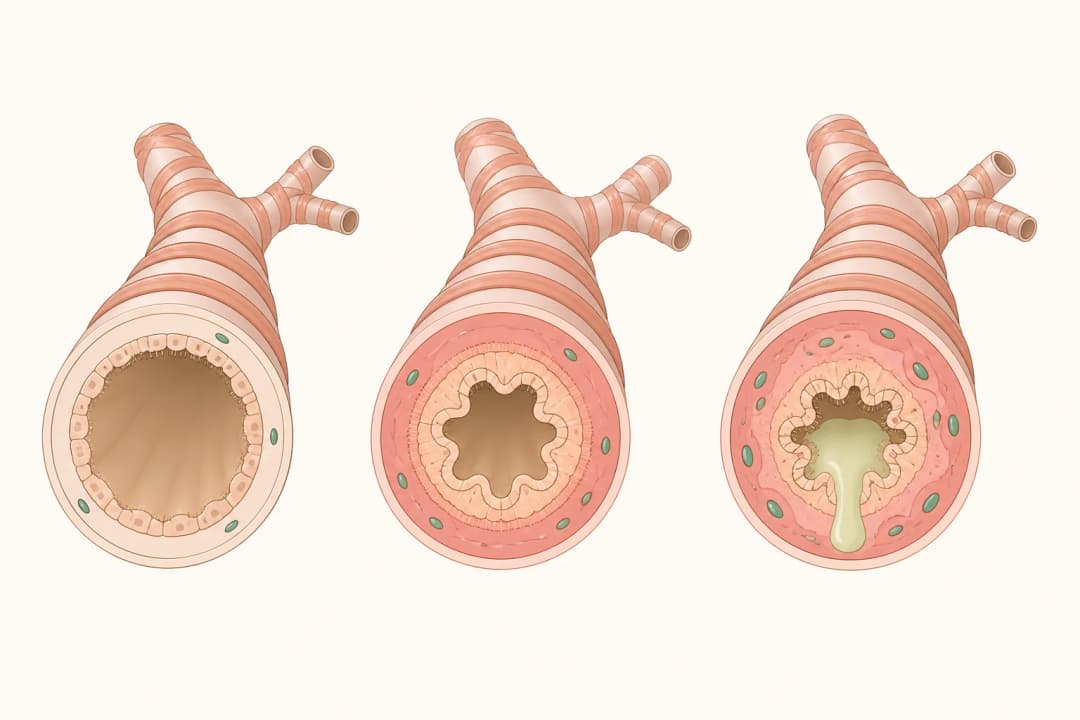
Asthma causes sensitive, narrowed airways that can swell and produce mucus. A reliever inhaler opens the airways during symptoms such as wheezing, cough or chest tightness. A preventer, when prescribed, reduces airway inflammation over time and must be used on the schedule given by the clinician, even when the child feels well.
The right device matters. Young children may use a spacer with an inhaler so more medicine reaches the lungs. A clinician or pharmacist can watch the technique and explain cleaning, storage and mouth care. Allergic rhinitis or house dust mite allergy can add to symptoms, so the child's wider pattern is worth discussing.
Practical steps at home
Keep an up-to-date written asthma plan where caregivers can find it. Record the prescribed medicines, doses, device instructions and the action to take when symptoms increase. Reduce known triggers such as smoke, strong fragrances or exercise-related symptoms according to the clinician's advice; do not restrict normal activity without guidance.
Arrange reviews when symptoms change, night waking occurs, exercise becomes difficult or the reliever is needed more often than expected. Never share inhalers, change a dose, or stop a preventer without medical advice. Nebuliser treatment may be considered in acute care, but it is not a substitute for an individual asthma plan.
When to seek urgent help
Seek urgent medical help if the child is struggling to breathe, cannot speak or drink normally because of breathlessness, becomes unusually drowsy, develops blue or grey lips, or is not improving after the prescribed reliever action. Keep the child upright, follow the written plan and do not delay emergency care while looking for another explanation.
Questions for your doctor
Ask which symptoms show poor control, whether the inhaler and spacer technique is correct, how school or nursery staff should respond, and when the plan should be reviewed. Ask how allergies, viral infections and exercise may affect this child's symptoms.
Find care
General Clinics & Polyclinics in Abu Dhabi
That answer is general. If you want it applied to your own case, these are licensed general clinics & polyclinics listed in Abu Dhabi.
27 Ar Ruwwad St - Shakhbout City - MSH4 - Abu Dhabi - United Arab Emirates
Accepts: Daman, Thiqa, Cigna, MetLife +20 more
Al Ruwais, Al Dhafrah
Accepts: Daman, Thiqa, AXA, Cigna +16 more
Al Bahyah - Al Bahyah Old - Abu Dhabi - United Arab Emirates
Accepts: Daman, Thiqa, Cigna, Allianz Care +18 more
Abu Dhabi
Accepts: Daman, Thiqa, AXA, Cigna +27 more
Ordered by verification status and how complete each clinic's public record is, then alphabetically. This is a directory listing, not a ranking — Zavis does not rate or recommend providers.
A factual listing drawn from the DHA, DOH and MOHAP licence registers. It is not a referral, an endorsement, or advice that any of these providers is right for you.
Questions people ask
Can a child with asthma play sports?
Many children can stay active when asthma is well controlled. Ask the clinician whether a pre-exercise plan is needed and how to recognise symptoms during activity.
Should a preventer stop when symptoms settle?
Do not stop or alter prescribed preventer treatment without a review, because symptoms can be quiet while airway inflammation remains.
Related
Related reading
Keep reading
Medical disclaimer. This page is general health information, not medical advice, and it cannot diagnose you. Always consult a licensed healthcare provider about your own symptoms and treatment. In an emergency in the UAE, call 998 for an ambulance.