
What should you know about central hyperthyroidism?
Short answer
Central hyperthyroidism is a rare pattern of high thyroid hormone levels with a thyroid-stimulating hormone result that is not appropriately suppressed, so specialist assessment is needed to identify the cause.
This answers one question. It is not a diagnosis and does not replace an assessment by a licensed doctor.
At a glance
- Main laboratory pattern
- High thyroid hormone with TSH that is not appropriately low
- Common next step
- Repeat and clarify the blood tests, then assess the cause
- Relevant specialist
- An endocrinologist
What central hyperthyroidism means
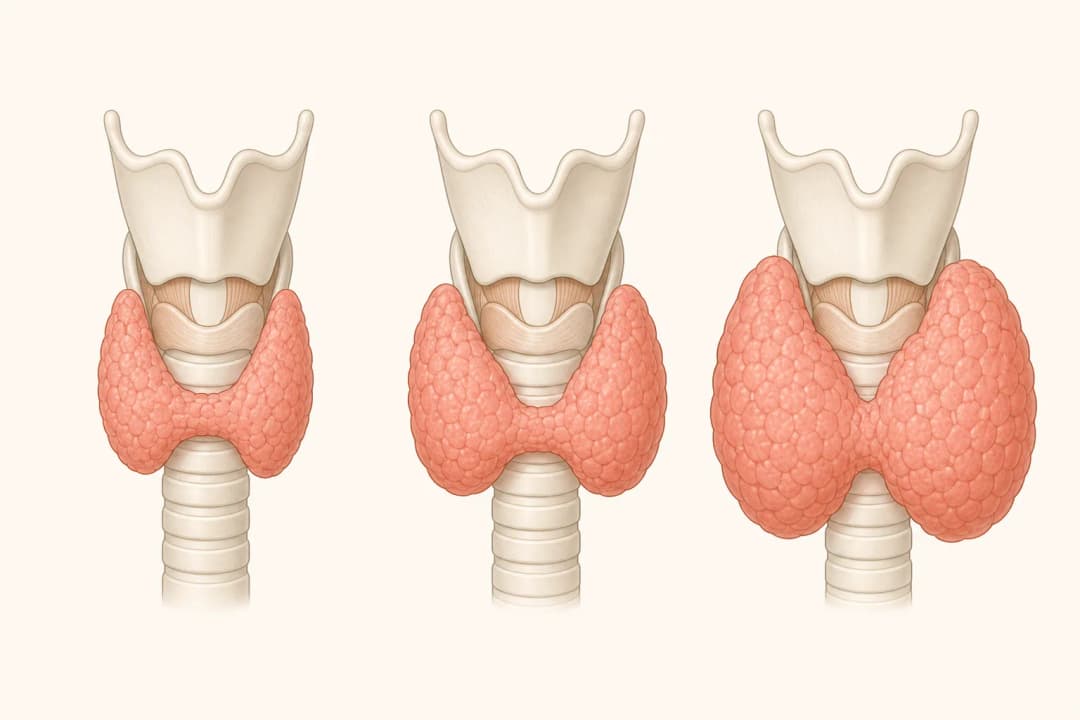
The thyroid makes hormones that influence heart rate, temperature regulation, digestion and energy use. Usually, when thyroid hormone rises, the pituitary gland lowers its release of thyroid-stimulating hormone, or TSH. In central hyperthyroidism, free thyroxine or free triiodothyronine is raised while TSH remains measurable or raised instead of being low. This differs from the more typical pattern of an overactive thyroid, in which TSH is suppressed.
The result can reflect a pituitary condition that produces too much TSH, or a less common inherited response in which body tissues and the pituitary respond differently to thyroid hormone. Medicines, supplements and laboratory assay interference can also make results look unusual. Symptoms may include fast or forceful heartbeats, feeling anxious, difficulty sleeping, excessive sweating, heat intolerance or diarrhoea. A symptom such as palpitations does not by itself show that central hyperthyroidism is present.
What to do after an unusual result
Arrange a review with the clinician who requested the blood tests, especially if the result was unexpected or you have symptoms. Bring a complete list of prescribed medicines, over-the-counter products and supplements, including biotin, because some products can affect thyroid testing. Do not stop a prescribed medicine without advice.
A clinician may repeat thyroid tests, use a different laboratory method, check related blood tests and review the pattern over time. If the pattern persists, an endocrinologist may assess the pituitary and thyroid regulation more closely. This can include additional hormone tests and, when appropriate, pituitary imaging. Treatment depends on the confirmed cause rather than on the blood result alone.
When to seek care urgently
Seek urgent medical help for chest pain, fainting, severe breathlessness, a very rapid or irregular heartbeat, new confusion, or marked weakness. These symptoms can signal a serious heart or whole-body problem and need prompt assessment, regardless of whether central hyperthyroidism has been confirmed.
Contact your healthcare team soon if sweating, tremor, diarrhoea, heat intolerance, anxiety or sleep problems are worsening, or if you develop new vision changes or a persistent headache. Vision changes and headache are especially relevant when a pituitary cause is being considered.
Questions for your doctor
You could ask: Which thyroid results are outside the expected range? Could a medicine, supplement or testing interference explain the pattern? Do I need repeat tests or an endocrinology referral? What symptoms should prompt urgent help? If a pituitary cause is suspected, which further tests are appropriate?
Find care
General Clinics & Polyclinics in Abu Dhabi
That answer is general. If you want it applied to your own case, these are licensed general clinics & polyclinics listed in Abu Dhabi.
27 Ar Ruwwad St - Shakhbout City - MSH4 - Abu Dhabi - United Arab Emirates
Accepts: Daman, Thiqa, Cigna, MetLife +20 more
Al Ruwais, Al Dhafrah
Accepts: Daman, Thiqa, AXA, Cigna +16 more
Al Bahyah - Al Bahyah Old - Abu Dhabi - United Arab Emirates
Accepts: Daman, Thiqa, Cigna, Allianz Care +18 more
Abu Dhabi
Accepts: Daman, Thiqa, AXA, Cigna +27 more
Ordered by verification status and how complete each clinic's public record is, then alphabetically. This is a directory listing, not a ranking — Zavis does not rate or recommend providers.
A factual listing drawn from the DHA, DOH and MOHAP licence registers. It is not a referral, an endorsement, or advice that any of these providers is right for you.
Questions people ask
Is central hyperthyroidism the same as an overactive thyroid?
It describes high thyroid hormone activity, but the blood-test pattern and possible causes differ from typical primary hyperthyroidism.
Can supplements affect the diagnosis?
Yes. Some supplements, including biotin, can interfere with thyroid tests, so tell the clinician exactly what you take before repeat testing.
Will I need a brain scan?
Not necessarily. Imaging is considered when repeat testing and clinical assessment support a pituitary cause.
Related
Related reading
Keep reading
Medical disclaimer. This page is general health information, not medical advice, and it cannot diagnose you. Always consult a licensed healthcare provider about your own symptoms and treatment. In an emergency in the UAE, call 998 for an ambulance.