
Botox cystoscopy: what patients should know
Short answer
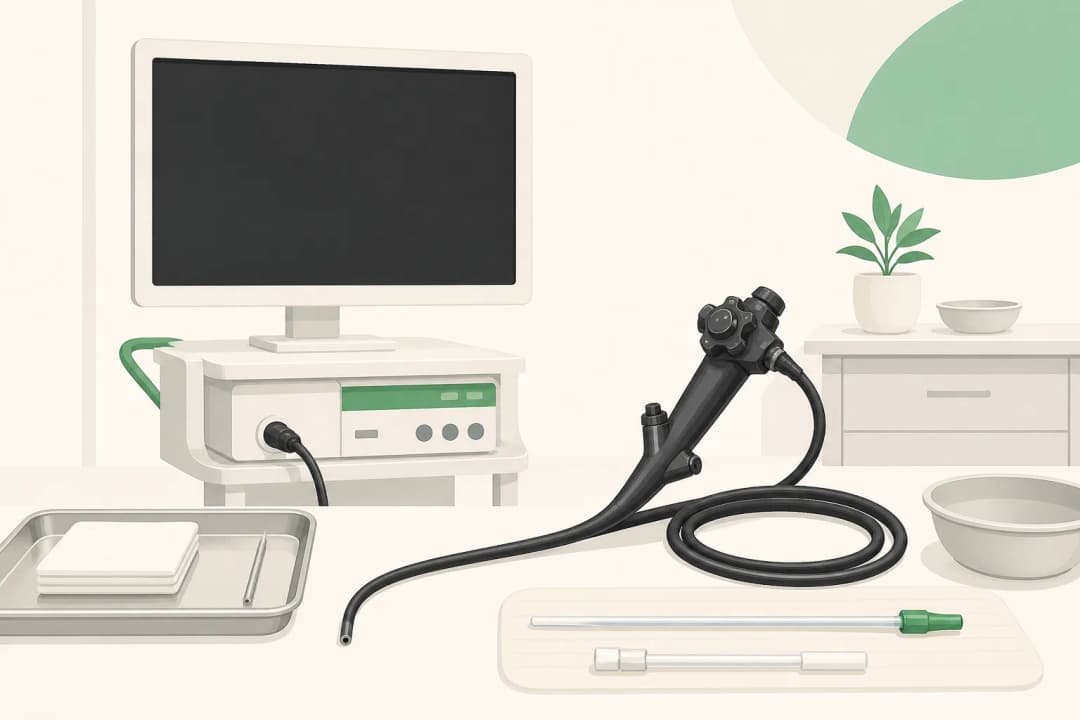
Botox cystoscopy uses a thin camera to guide botulinum toxin injections into the bladder wall, usually to reduce urgency, frequency or leakage caused by an overactive bladder.
This answers one question. It is not a diagnosis and does not replace an assessment by a licensed doctor.
At a glance
- How it is given
- Botulinum toxin is injected into the bladder wall through a cystoscope.
- Main purpose
- It can reduce bladder urgency, frequency and urge leakage in selected patients.
- Key follow-up issue
- The care team may check that the bladder is emptying properly.
The short answer
The medicine relaxes part of the bladder muscle so the bladder is less likely to squeeze unexpectedly. Although cystoscopy can also be used to examine the bladder for abnormal tissue, the Botox injections themselves do not diagnose or treat bladder cancer.
What the procedure involves
A clinician passes a cystoscope through the urethra into the bladder and injects small amounts of botulinum toxin at selected points in the bladder wall. Numbing medicine is often placed in the bladder beforehand; the care team may use sedation or another form of anaesthesia depending on the setting and your needs.
Temporary burning, mild blood in the urine or discomfort when passing urine can occur afterward. More significant concerns include a urinary infection or difficulty emptying the bladder. Some people need a catheter if the bladder does not empty adequately, so your team may discuss catheter use before treatment.
How to prepare and recover
Tell the treating team about blood-thinning medicines, allergies, previous urine infections, trouble emptying your bladder and any current antibiotics. Follow their instructions about eating, drinking and medication changes; do not stop a prescribed blood thinner unless the clinician managing it agrees. A urine sample may be checked if infection is suspected.
Afterward, follow the discharge advice about fluids, activity and prescribed medicines. Notice whether you can pass urine comfortably and whether urgency or leakage changes over the following days. The effect is temporary, and the timing of any repeat treatment should be based on symptom return, bladder-emptying checks and your clinician's assessment.
When to seek medical care
Contact the treating service promptly if you cannot pass urine, develop fever or chills, have worsening lower abdominal pain, pass clots, or notice bleeding that is heavy or increasing. Burning urine, cloudy or foul-smelling urine, and new back or side pain may signal infection and also deserve prompt assessment.
Seek emergency help for trouble breathing, difficulty swallowing, marked weakness or a severe allergic reaction. These are not routine recovery symptoms. Use the contact instructions provided at discharge when symptoms are concerning but not immediately life-threatening.
Questions for your clinician
Ask what bladder problem the injections are intended to improve, what type of pain control is planned, and whether you may need help getting home. Also ask how bladder emptying will be checked, what to do if you cannot urinate, whether you should learn catheterisation beforehand, and which medicines need adjustment around the procedure.
Questions people ask
Is bladder Botox the same as a diagnostic cystoscopy?
No. Both use a cystoscope, but bladder Botox adds injections intended to relax the bladder muscle. A diagnostic cystoscopy is primarily used to inspect the urethra and bladder lining.
Can I drive home after Botox cystoscopy?
That depends on the anaesthesia or sedation used and the facility's discharge instructions. If sedation is planned, arrange transport and follow the care team's restrictions on driving and important decisions.
Does Botox cystoscopy treat bladder cancer?
No. Botox placed in the bladder is used for bladder-function problems such as urgency or leakage. Evaluation and treatment of suspected or confirmed bladder cancer follow a different care plan.
Related
Related reading
Keep reading
Cancer care in the UAE
Hospitals & Medical Centers in Abu Dhabi
Most UAE cancer care is delivered inside hospital services rather than by standalone oncology clinics, so these are licensed hospitals & medical centers listed in Abu Dhabi. Confirm the specific cancer service exists before you travel, and know that asking for a second opinion is routine.
Ahalia Hospital Musaffah Building - Musaffah - Musaffah Industrial - Abu Dhabi - United Arab Emirates
Accepts: Daman, Thiqa, AXA, Cigna +26 more
Al Ruwais Industrial City - Abu Dhabi - United Arab Emirates
Accepts: Daman, Thiqa, AXA, Cigna +30 more
Abu Dhabi, Abu Dhabi
Accepts: Daman, Thiqa, AXA, Cigna +30 more
Second opinions are routine in cancer care and asking for one does not affect your treatment. How to arrange a second opinion in the UAE.
Ordered by verification status and how complete each clinic's public record is, then alphabetically. This is a directory listing, not a ranking — Zavis does not rate or recommend providers.
A factual listing drawn from the DHA, DOH and MOHAP licence registers. It is not a referral, an endorsement, or advice that any of these providers is right for you.
Medical disclaimer. This page is general health information, not medical advice, and it cannot diagnose you. Always consult a licensed healthcare provider about your own symptoms and treatment. In an emergency in the UAE, call 998 for an ambulance.