
What should you know about borderline type 2 diabetes?
Short answer
Borderline type 2 diabetes usually refers to prediabetes, a warning state where blood glucose is above the usual range but below the diabetes range.
This answers one question. It is not a diagnosis and does not replace an assessment by a licensed doctor.
At a glance
- Common term
- Prediabetes
- Typical finding
- Blood glucose above the usual range, but below the diabetes range
- Next step
- Review the result and follow-up plan with a clinician
The short answer
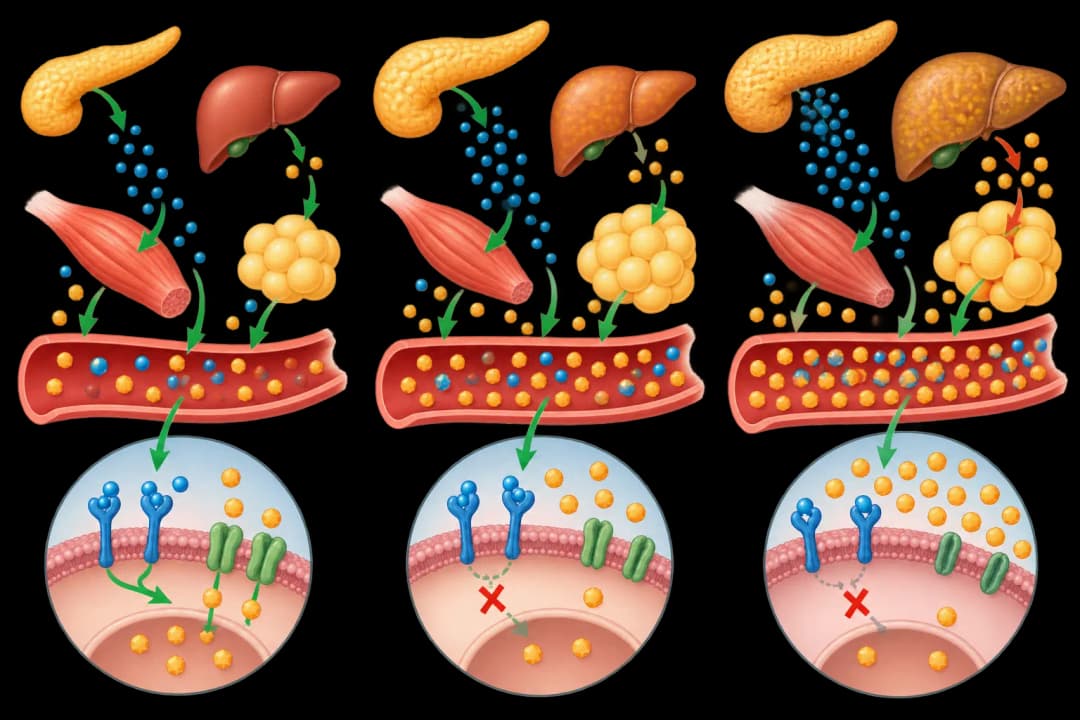
It is not the same as having type 2 diabetes, but it can signal that the body is becoming less responsive to insulin. A clinician can confirm what your result means and arrange repeat testing or monitoring.
What borderline blood sugar means
Prediabetes often causes no clear symptoms, so a blood test may identify it during a routine check or an assessment for another concern. Results can be affected by the test used, whether you had eaten, medicines, illness, and timing. One result does not always give the full picture.
The change is related to insulin and glucose handling. The pancreas may still make insulin, while muscle, liver, and fat cells respond less effectively. Over time, glucose can remain in the bloodstream instead of moving into cells for energy. Prediabetes can improve, stay stable, or progress, depending on personal health factors and follow-up.
Prediabetes is the term used for this intermediate state. Read more about [Prediabetes](/conditions/prediabetes/) and discuss your own results rather than relying on a label alone.
What to do next
Book a follow-up appointment to review the exact test, the date it was taken, and whether another test is appropriate. Bring a list of medicines and supplements, including products that may affect glucose.
Choose practical changes you can maintain: build meals around vegetables, fibre-rich foods, and a suitable protein source; reduce sweet drinks; and add regular movement such as walking if it is safe for you. If weight is a concern, gradual support from a clinician or dietitian can help; obesity can increase the likelihood of insulin resistance. Explore [Obesity](/conditions/obesity/) for related information.
Do not start glucose-lowering medicine or make major dietary changes without advice, especially if you are pregnant, have kidney disease, or take medicines that can lower blood sugar. Ongoing checks help show whether the plan is working.
When to seek care
Arrange prompt medical advice if you develop marked thirst, frequent urination, unusual tiredness, blurred vision, or unexplained weight loss. These symptoms can have several causes, but they warrant a glucose assessment.
Seek urgent help for confusion, fainting, severe weakness, difficulty breathing, repeated vomiting, or inability to keep fluids down. If you already use diabetes medicine, sweating, shaking, fast heartbeat, or sudden confusion may indicate [Hypoglycaemia](/conditions/hypoglycaemia/) and needs immediate attention.
Long-term glucose problems can affect blood vessels, nerves, kidneys, and the immune response. New foot wounds, spreading redness, or a hot and painful area should be assessed promptly; skin infections such as [Cellulitis](/conditions/cellulitis/) can worsen without treatment.
Questions for your doctor
Ask which test showed the result, what range it falls into, and whether illness, fasting status, or a medicine could have influenced it. Ask when you should repeat testing and which symptoms should prompt an earlier review.
You can also ask for a personalised activity and meal plan, whether you need checks for blood pressure or cholesterol, and whether kidney or nerve assessments are appropriate. If you have numbness, pain, or reduced sensation in your feet, ask about [Peripheral Neuropathy](/conditions/peripheral-neuropathy/).
Find care
General Clinics & Polyclinics in Abu Dhabi
That answer is general. If you want it applied to your own case, these are licensed general clinics & polyclinics listed in Abu Dhabi.
27 Ar Ruwwad St - Shakhbout City - MSH4 - Abu Dhabi - United Arab Emirates
Accepts: Daman, Thiqa, Cigna, MetLife +20 more
Al Ruwais, Al Dhafrah
Accepts: Daman, Thiqa, AXA, Cigna +16 more
Al Bahyah - Al Bahyah Old - Abu Dhabi - United Arab Emirates
Accepts: Daman, Thiqa, Cigna, Allianz Care +18 more
Abu Dhabi
Accepts: Daman, Thiqa, AXA, Cigna +27 more
Ordered by verification status and how complete each clinic's public record is, then alphabetically. This is a directory listing, not a ranking — Zavis does not rate or recommend providers.
A factual listing drawn from the DHA, DOH and MOHAP licence registers. It is not a referral, an endorsement, or advice that any of these providers is right for you.
Questions people ask
Is borderline diabetes the same as type 2 diabetes?
No. The phrase generally refers to prediabetes, an intermediate glucose state. A clinician must interpret the test and decide whether further testing is needed.
Can borderline blood sugar return to the usual range?
It can improve for some people with sustainable changes and appropriate medical follow-up, but results vary. Keep scheduled checks even if you feel well.
Can prediabetes cause symptoms?
Often there are no obvious symptoms. Thirst, frequent urination, blurred vision, or unusual tiredness should be discussed with a clinician.
Related
Related reading
Keep reading
Medical disclaimer. This page is general health information, not medical advice, and it cannot diagnose you. Always consult a licensed healthcare provider about your own symptoms and treatment. In an emergency in the UAE, call 998 for an ambulance.