
What should you know about bladder investigation cystoscopy?
Short answer
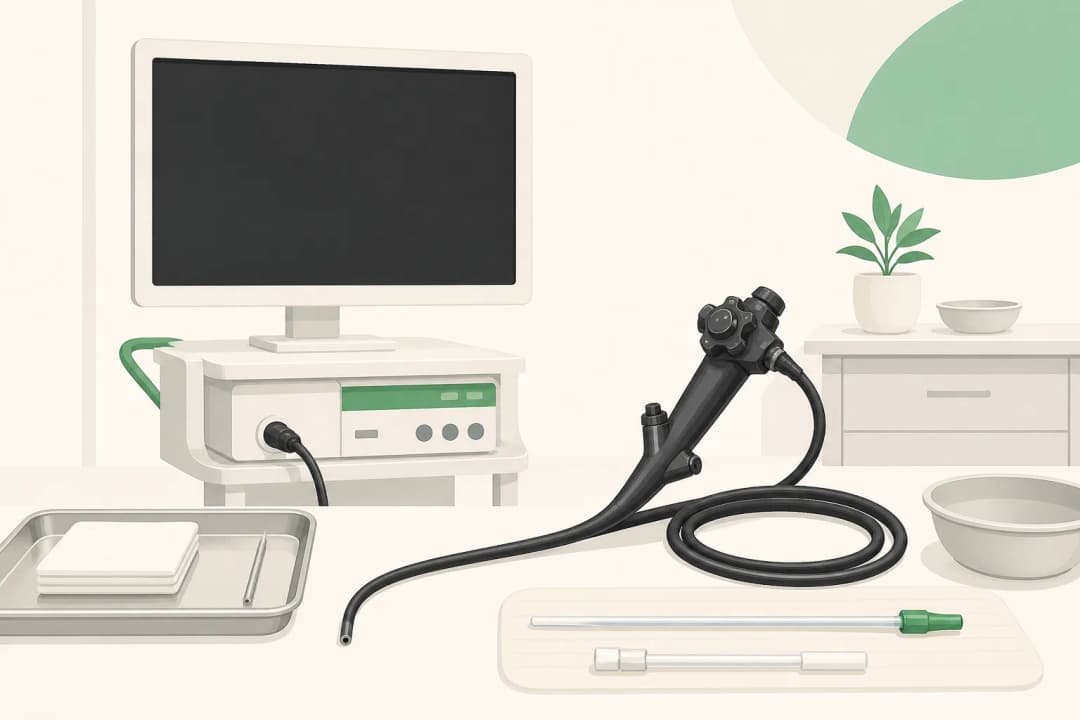
Cystoscopy is a bladder investigation that gives a direct view of the urethra and bladder lining and can guide biopsy or treatment.
This answers one question. It is not a diagnosis and does not replace an assessment by a licensed doctor.
At a glance
- View obtained
- Urethra and inner bladder surface
- Possible addition
- Biopsy of abnormal tissue
- Results
- Visual findings may be immediate; tissue analysis takes longer
Why this test is used
A scan or urine test cannot always show the surface of the bladder in enough detail. During cystoscopy, a clinician passes a slim viewing instrument through the urethra and examines the lining for inflammation, stones, narrowing, bleeding points, or abnormal tissue. Fluid opens the bladder so its walls can be inspected. The test may be part of an investigation for blood in the urine, persistent urinary symptoms, an abnormal imaging result, or follow-up after a bladder tumour. Bladder cancer can present with blood in the urine or altered urination, but those symptoms also have non-cancerous causes; cystoscopy helps identify what further assessment is appropriate.
How to prepare for the investigation
Read the appointment letter closely to learn whether the planned test is flexible or rigid. Flexible cystoscopy commonly uses local anaesthetic gel, whereas a rigid procedure can involve anaesthesia and may include a biopsy. Follow any fasting directions exactly, arrange transport if the clinic advises it, and bring an up-to-date medicine list. Alert the team to blood thinners, allergies, possible pregnancy, urinary infection symptoms, or recent antibiotics. Ask whether you should provide a urine sample before the procedure and what personal care is recommended once you return home.
When recovery needs review
Some stinging, urgency, and a small amount of blood may occur soon after the test. Get prompt clinical advice if these symptoms worsen, do not settle within the period stated on your discharge sheet, or are joined by fever, chills, cloudy urine, offensive-smelling urine, increasing pelvic pain, heavy bleeding, or clots. Inability to urinate, severe pain, faintness, confusion, or rapidly worsening illness requires urgent assessment.
Understanding the next step
Ask what question the cystoscopy is intended to answer and whether other urine or imaging results have changed the plan. Find out whether tissue could be removed at the same visit, how long laboratory analysis may take, and who will explain the combined findings. If the lining looks normal but symptoms continue, ask what alternative causes and follow-up tests will be considered.
Questions people ask
Why might I need cystoscopy after a scan?
Cystoscopy shows the bladder lining directly and can reveal small surface changes or allow a biopsy. It provides different information from imaging, so the tests can complement each other.
Does a normal cystoscopy end the investigation?
Not always. The next step depends on the reason for testing and the urine, imaging, and laboratory findings. Persistent symptoms may still need assessment for another cause.
Are results available immediately?
The clinician may discuss what was seen straight away. If tissue or urine is sent to a laboratory, those results return later and should be reviewed with the wider findings.
Related
Related reading
Keep reading
Cancer care in the UAE
Hospitals & Medical Centers in Abu Dhabi
Most UAE cancer care is delivered inside hospital services rather than by standalone oncology clinics, so these are licensed hospitals & medical centers listed in Abu Dhabi. Confirm the specific cancer service exists before you travel, and know that asking for a second opinion is routine.
Ahalia Hospital Musaffah Building - Musaffah - Musaffah Industrial - Abu Dhabi - United Arab Emirates
Accepts: Daman, Thiqa, AXA, Cigna +26 more
Al Ruwais Industrial City - Abu Dhabi - United Arab Emirates
Accepts: Daman, Thiqa, AXA, Cigna +30 more
Abu Dhabi, Abu Dhabi
Accepts: Daman, Thiqa, AXA, Cigna +30 more
Second opinions are routine in cancer care and asking for one does not affect your treatment. How to arrange a second opinion in the UAE.
Ordered by verification status and how complete each clinic's public record is, then alphabetically. This is a directory listing, not a ranking — Zavis does not rate or recommend providers.
A factual listing drawn from the DHA, DOH and MOHAP licence registers. It is not a referral, an endorsement, or advice that any of these providers is right for you.
Medical disclaimer. This page is general health information, not medical advice, and it cannot diagnose you. Always consult a licensed healthcare provider about your own symptoms and treatment. In an emergency in the UAE, call 998 for an ambulance.