
What should you know about bedwetting age?
Short answer
Bedwetting can occur while nighttime bladder control develops, but new wetting after dryness or other symptoms should be assessed.
This answers one question. It is not a diagnosis and does not replace an assessment by a licensed doctor.
At a glance
- Cause
- Nighttime bladder control develops at different rates.
- Watch for
- Daytime urine changes, thirst, bowel symptoms and disrupted breathing during sleep.
- Response
- Use calm routines and protect the child's dignity.
Understanding the pattern
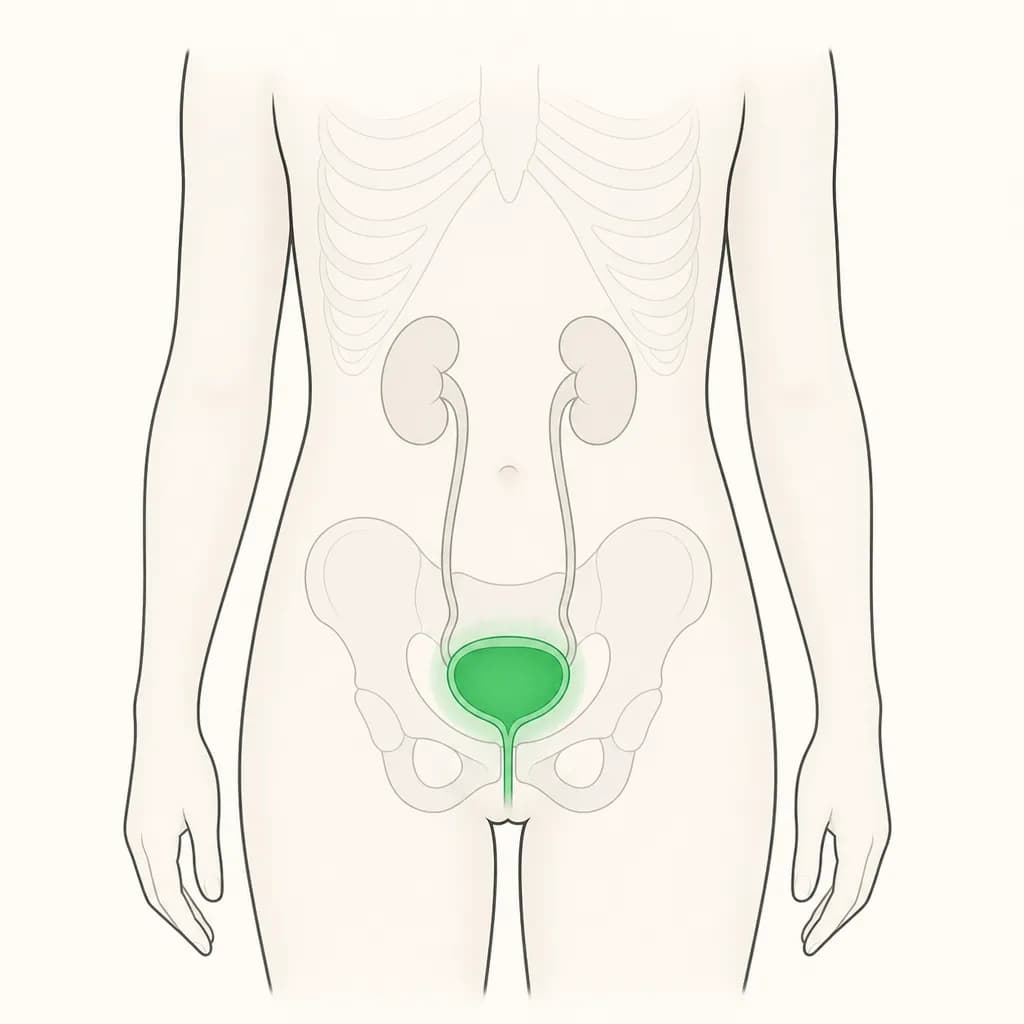
Nighttime wetting may reflect the developing coordination between the bladder, kidneys and the brain during sleep. Some children sleep deeply, make more urine at night or have constipation that reduces bladder comfort. Bedwetting is involuntary and is not caused by poor parenting or deliberate behaviour.
A child who has never stayed dry at night may have a different pattern from one who begins wetting again after a dry spell. Daytime urgency, frequent urination, snoring, thirst or changes in bowel habits provide useful context, but bedwetting alone does not identify one condition.
What families can try
Encourage regular daytime toilet visits, enough fluids during the day and a toilet visit before bed. Treat constipation only with suitable medical guidance. Protect the mattress, keep spare sleepwear ready and respond neutrally after a wet night. A symptom diary can show whether wetting is linked with daytime or sleep changes.
Arrange a routine review when wetting causes distress, interferes with sleepovers, continues despite supportive measures or returns after dryness. A clinician may ask about urine symptoms, bowel function, sleep and development before deciding whether testing is useful.
When to seek care
Seek prompt advice for pain passing urine, fever, blood in urine, strong thirst, frequent daytime urination, weight change, new constipation, loud snoring or breathing pauses. These features can occur with problems such as urinary tract infection, type 1 diabetes or obstructive sleep apnoea and should not be ignored. Seek urgent help if the child is confused, very drowsy, vomiting repeatedly or seriously unwell.
Questions for your doctor
Ask whether the child's wetting pattern fits their development, whether urine or glucose testing is appropriate, and how constipation or sleep quality may contribute. Ask which treatments or alarms suit the child, how to discuss the issue without shame, and what change should trigger follow-up.
Find care
General Clinics & Polyclinics in Abu Dhabi
That answer is general. If you want it applied to your own case, these are licensed general clinics & polyclinics listed in Abu Dhabi.
27 Ar Ruwwad St - Shakhbout City - MSH4 - Abu Dhabi - United Arab Emirates
Accepts: Daman, Thiqa, Cigna, MetLife +20 more
Al Ruwais, Al Dhafrah
Accepts: Daman, Thiqa, AXA, Cigna +16 more
Al Bahyah - Al Bahyah Old - Abu Dhabi - United Arab Emirates
Accepts: Daman, Thiqa, Cigna, Allianz Care +18 more
Abu Dhabi
Accepts: Daman, Thiqa, AXA, Cigna +27 more
Ordered by verification status and how complete each clinic's public record is, then alphabetically. This is a directory listing, not a ranking — Zavis does not rate or recommend providers.
A factual listing drawn from the DHA, DOH and MOHAP licence registers. It is not a referral, an endorsement, or advice that any of these providers is right for you.
Questions people ask
Does bedwetting always mean an illness?
No. It can occur during normal development, although a changed pattern or accompanying symptoms deserves assessment.
Why does wetting after dryness matter?
A return of wetting can have different triggers, so a clinician may review urine, bowel, sleep and general health.
Related
Related reading
Keep reading
Medical disclaimer. This page is general health information, not medical advice, and it cannot diagnose you. Always consult a licensed healthcare provider about your own symptoms and treatment. In an emergency in the UAE, call 998 for an ambulance.