
What should you know about atypical pneumonia?
Short answer
Atypical pneumonia is a lung infection that may develop gradually, but it still needs proper medical assessment and treatment.
This answers one question. It is not a diagnosis and does not replace an assessment by a licensed doctor.
At a glance
- Meaning
- A lung infection with a less classic clinical pattern
- Assessment
- Symptoms, examination, oxygen level, and sometimes imaging or tests
- Key warning sign
- New or worsening difficulty breathing
The short answer
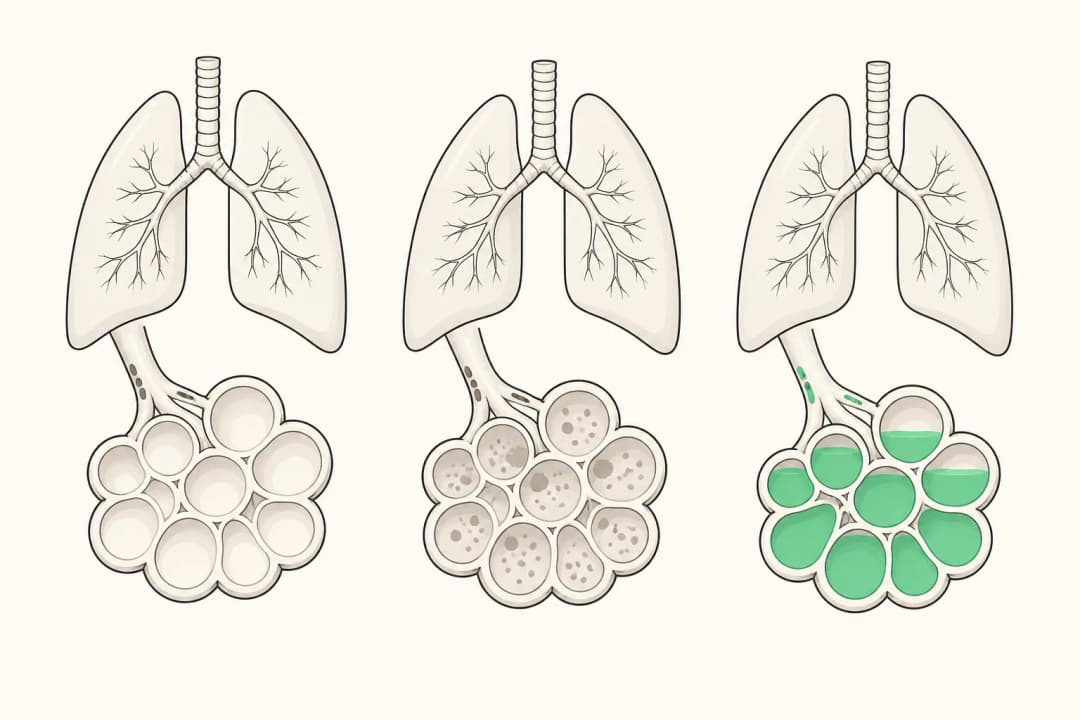
The term describes a pattern of illness rather than a minor form of pneumonia. Symptoms can include a persistent dry cough, fever, headache, tiredness, muscle aches, or breathlessness, and the chest may sound less abnormal than expected during an examination.
What atypical pneumonia means
Clinicians use “atypical” for pneumonia caused by certain germs or showing a less classic symptom pattern. The illness may begin with general symptoms and a nagging cough instead of sudden severe chest symptoms or thick phlegm.
Symptoms alone cannot identify the responsible germ. A clinician considers your breathing, oxygen level, temperature, chest findings, medical history, medicines, recent infections, and exposure to other unwell people. A chest X-ray or laboratory test may be useful when the diagnosis is uncertain or the illness is more severe.
What to do next
Arrange a medical assessment if cough, fever, unusual fatigue, chest discomfort, or breathlessness persists or worsens. Until assessed, rest, drink enough fluid to keep urine pale, avoid smoking and smoke exposure, and limit close contact with vulnerable people if you may have a respiratory infection.
Treatment depends on the suspected cause and severity. Antibiotics help some bacterial causes but do not treat viral infections, so do not use leftover antibiotics. Take prescribed medicine exactly as directed and seek reassessment if symptoms worsen or fail to improve as expected.
When to seek urgent care
Seek urgent medical help for marked difficulty breathing, blue or grey lips, new confusion, fainting, severe chest pain, coughing blood, inability to keep fluids down, or rapidly worsening illness. A person who is hard to wake or struggling to breathe needs emergency help.
Earlier review is sensible for older adults, pregnant people, young children, or anyone with chronic heart or lung disease, reduced immunity, or significant frailty because respiratory infections may become harder to manage.
Questions for your doctor
Ask what findings support pneumonia, whether an X-ray or infection test would change care, what treatment is appropriate, and which changes should prompt reassessment. Also clarify how to manage fever or cough safely alongside your current medicines.
Find care
General Clinics & Polyclinics in Abu Dhabi
That answer is general. If you want it applied to your own case, these are licensed general clinics & polyclinics listed in Abu Dhabi.
27 Ar Ruwwad St - Shakhbout City - MSH4 - Abu Dhabi - United Arab Emirates
Accepts: Daman, Thiqa, Cigna, MetLife +20 more
Al Ruwais, Al Dhafrah
Accepts: Daman, Thiqa, AXA, Cigna +16 more
Al Bahyah - Al Bahyah Old - Abu Dhabi - United Arab Emirates
Accepts: Daman, Thiqa, Cigna, Allianz Care +18 more
Abu Dhabi
Accepts: Daman, Thiqa, AXA, Cigna +27 more
Ordered by verification status and how complete each clinic's public record is, then alphabetically. This is a directory listing, not a ranking — Zavis does not rate or recommend providers.
A factual listing drawn from the DHA, DOH and MOHAP licence registers. It is not a referral, an endorsement, or advice that any of these providers is right for you.
Questions people ask
Is atypical pneumonia always mild?
No. It can begin gradually or seem less dramatic, yet severity varies and breathing problems still require prompt assessment.
Does atypical pneumonia always need antibiotics?
No. Management depends on the cause and clinical findings; antibiotics treat susceptible bacteria, not viruses.
Can I tell atypical pneumonia from a cough alone?
No. Cough has many causes, and clinicians combine the symptom pattern with examination findings and, when needed, imaging or tests.
Medical disclaimer. This page is general health information, not medical advice, and it cannot diagnose you. Always consult a licensed healthcare provider about your own symptoms and treatment. In an emergency in the UAE, call 998 for an ambulance.