
Aspiration pneumonia recovery time
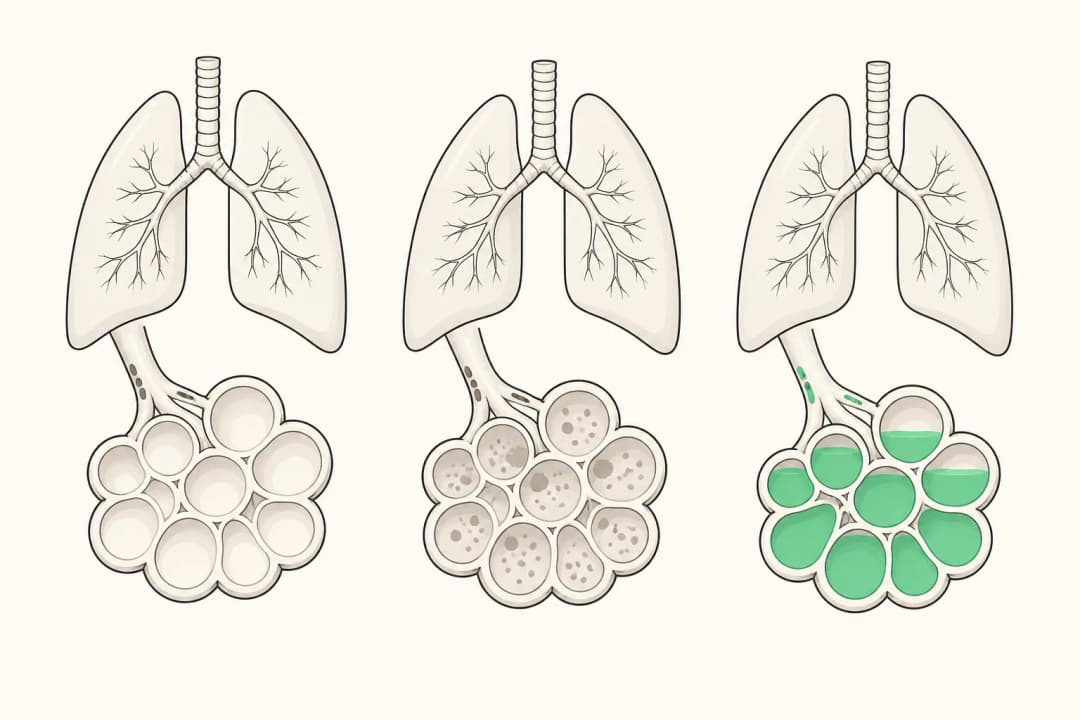
Short answer
Recovery from aspiration pneumonia varies: breathing and fever may improve before cough, tiredness, appetite, and exercise tolerance fully return.
This answers one question. It is not a diagnosis and does not replace an assessment by a licensed doctor.
At a glance
- Recovery pattern
- Breathing may improve before energy and cough
- Useful monitoring
- Breathing, temperature, alertness, intake, and meal-related coughing
- Follow-up focus
- Lung recovery and prevention of further aspiration
Why the recovery period differs
The lungs need time to clear inflammation and secretions after food, liquid, saliva, or vomit enters the airways. Recovery can take longer when a large area is affected, oxygen levels were low, infection developed, another illness is present, or swallowing remains unsafe. A lingering cough or reduced stamina can occur even as the infection settles, but the overall pattern should move toward easier breathing and better daily function.
Supporting recovery safely
Take prescribed medicines exactly as directed and do not stop an antibiotic early unless the treating clinician changes the plan. Rest, drink enough fluid if swallowing is safe, and return to activity gradually rather than pushing through breathlessness. Follow any texture, posture, or feeding advice from a swallowing assessment. Keep track of temperature, breathing comfort, alertness, food and fluid intake, and whether coughing occurs during meals; this record can make follow-up more useful.
When recovery is going off course
Seek urgent medical care for severe or worsening breathlessness, blue or grey lips, new confusion, fainting, chest pain, or difficulty staying awake. Contact the treating service promptly if fever returns, coughing or phlegm increases, medicines cannot be kept down, or symptoms worsen after an initial improvement. These changes can signal persistent aspiration, spreading infection, or another complication and should not be judged only by how many days have passed.
Planning your follow-up
Ask which symptoms should improve first, when your breathing and activity should be reviewed, and whether repeat imaging is needed for your particular findings. Discuss what caused the aspiration and whether dental care, reflux management, medication changes, or a swallowing assessment could reduce another episode. Confirm when it is reasonable to resume work, driving, exercise, and your usual diet.
Find care
General Clinics & Polyclinics in Abu Dhabi
That answer is general. If you want it applied to your own case, these are licensed general clinics & polyclinics listed in Abu Dhabi.
27 Ar Ruwwad St - Shakhbout City - MSH4 - Abu Dhabi - United Arab Emirates
Accepts: Daman, Thiqa, Cigna, MetLife +20 more
Al Ruwais, Al Dhafrah
Accepts: Daman, Thiqa, AXA, Cigna +16 more
Al Bahyah - Al Bahyah Old - Abu Dhabi - United Arab Emirates
Accepts: Daman, Thiqa, Cigna, Allianz Care +18 more
Abu Dhabi
Accepts: Daman, Thiqa, AXA, Cigna +27 more
Ordered by verification status and how complete each clinic's public record is, then alphabetically. This is a directory listing, not a ranking — Zavis does not rate or recommend providers.
A factual listing drawn from the DHA, DOH and MOHAP licence registers. It is not a referral, an endorsement, or advice that any of these providers is right for you.
Questions people ask
Why am I still tired after my breathing improves?
Inflammation, interrupted sleep, reduced food intake, and inactivity during illness can all leave stamina low. Gradual improvement matters more than a single day's energy level.
Does a lingering cough mean treatment failed?
Not necessarily. Airways may remain irritated while the lungs recover, but a cough that is worsening, produces more phlegm, or comes with returning fever needs reassessment.
Can aspiration pneumonia come back?
Another episode can occur if the swallowing, reflux, sedation, or neurological problem that allowed aspiration is still present, so prevention is part of follow-up.
Related
Related reading
Medical disclaimer. This page is general health information, not medical advice, and it cannot diagnose you. Always consult a licensed healthcare provider about your own symptoms and treatment. In an emergency in the UAE, call 998 for an ambulance.