
Aspiration pneumonia in puppies: signs and next steps
Short answer
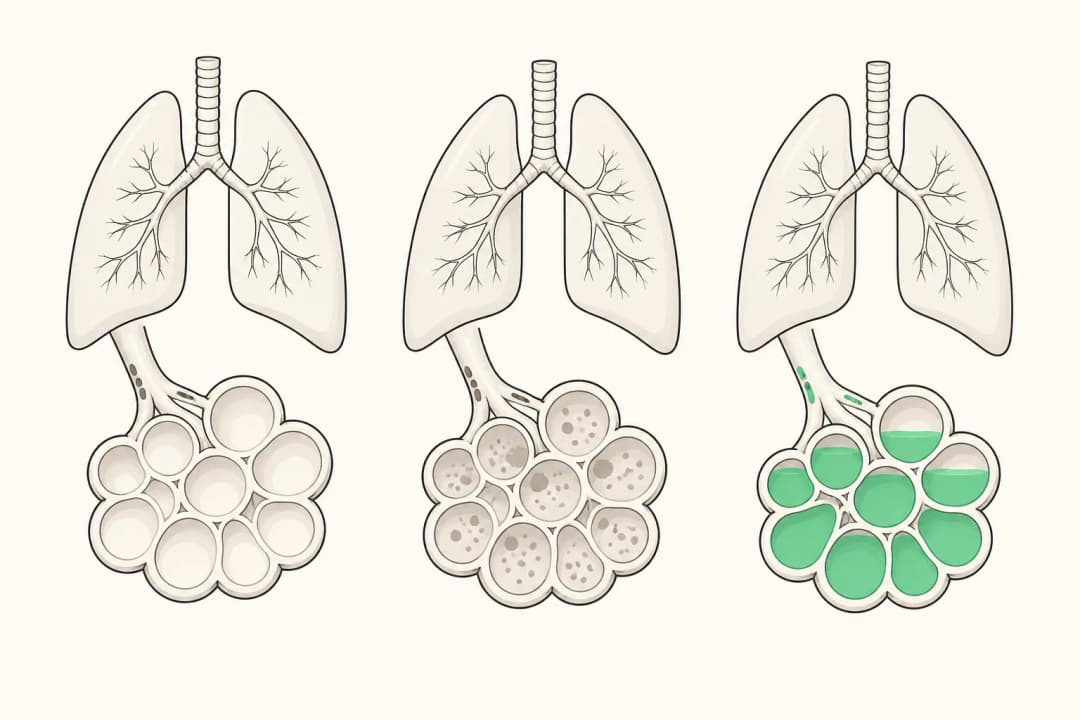
Aspiration pneumonia in a puppy is an urgent veterinary problem because inhaled milk, food, or vomit can inflame and infect the lungs.
This answers one question. It is not a diagnosis and does not replace an assessment by a licensed doctor.
At a glance
- Main concern
- Inflammation or infection after material enters the lungs
- Right clinician
- A veterinarian or emergency veterinary service
- Avoid
- Forced feeding when the puppy is coughing or breathing poorly
How aspiration affects a puppy's lungs
Material entering the airways can irritate delicate lung tissue and carry bacteria with it. Affected puppies may cough, breathe faster or with visible effort, seem unusually quiet, feed poorly, or develop nasal discharge. Very young puppies can deteriorate quickly because they have limited reserves. Aspiration can follow bottle-feeding with an unsuitable flow, regurgitation, vomiting, a swallowing problem, or a structural problem such as a cleft palate.
What to do now
Contact a veterinarian promptly and describe the puppy's breathing, alertness, feeding, and the suspected aspiration event. Keep the puppy warm, quiet, and positioned comfortably during transport. Do not force milk, water, food, or human medicine into a puppy that is coughing, weak, or struggling to breathe. Veterinary assessment may include listening to the chest, checking oxygenation, imaging the lungs, and choosing oxygen, fluids, antibiotics, or feeding support according to the findings.
Signs that need emergency veterinary care
Go to an emergency veterinary service immediately if breathing is laboured, the mouth or gums look blue, grey, or very pale, the puppy collapses, cannot stay awake, or milk bubbles from the nose while breathing is difficult. Reassessment is also needed when treatment has started but breathing effort increases, feeding stops, or responsiveness declines. These signs reflect impaired breathing or circulation, not simply the presence or absence of a cough.
Questions for the veterinarian
Ask what may have allowed material into the airway, whether the puppy needs oxygen or hospital monitoring, and how feeding should be changed during recovery. Clarify how to give every prescribed medicine, which breathing changes should trigger an immediate return, and whether a swallowing or palate problem needs investigation before normal feeding resumes.
Find care
General Clinics & Polyclinics in Abu Dhabi
That answer is general. If you want it applied to your own case, these are licensed general clinics & polyclinics listed in Abu Dhabi.
27 Ar Ruwwad St - Shakhbout City - MSH4 - Abu Dhabi - United Arab Emirates
Accepts: Daman, Thiqa, Cigna, MetLife +20 more
Al Ruwais, Al Dhafrah
Accepts: Daman, Thiqa, AXA, Cigna +16 more
Al Bahyah - Al Bahyah Old - Abu Dhabi - United Arab Emirates
Accepts: Daman, Thiqa, Cigna, Allianz Care +18 more
Abu Dhabi
Accepts: Daman, Thiqa, AXA, Cigna +27 more
Ordered by verification status and how complete each clinic's public record is, then alphabetically. This is a directory listing, not a ranking — Zavis does not rate or recommend providers.
A factual listing drawn from the DHA, DOH and MOHAP licence registers. It is not a referral, an endorsement, or advice that any of these providers is right for you.
Questions people ask
Can a puppy recover from aspiration pneumonia?
Recovery is possible, but the outlook depends on lung injury, the puppy's age and strength, the cause of aspiration, and how the puppy responds to veterinary treatment.
Should I give a coughing puppy leftover antibiotics?
No. A veterinarian needs to assess the cause and select any medicine and dose for that puppy; leftover drugs can delay suitable care or cause harm.
Can bottle-feeding contribute to aspiration?
Yes. Milk flowing too quickly or feeding a weak puppy in an unsuitable position can allow liquid into the airway, so ask a veterinarian to demonstrate a safer technique.
Medical disclaimer. This page is general health information, not medical advice, and it cannot diagnose you. Always consult a licensed healthcare provider about your own symptoms and treatment. In an emergency in the UAE, call 998 for an ambulance.