
Aspiration pneumonia in cats: signs and next steps
Short answer
Aspiration pneumonia in cats occurs when inhaled food, liquid, vomit or medicine causes lung inflammation and infection, requiring prompt veterinary assessment.
This answers one question. It is not a diagnosis and does not replace an assessment by a licensed doctor.
At a glance
- Main concern
- Inflammation and infection within the lungs
- Common context
- Vomiting, regurgitation, assisted feeding, swallowing trouble or anaesthesia
- Right clinician
- A veterinarian or emergency veterinary team
The short answer
Warning signs can include faster or laboured breathing, coughing, low energy, reduced appetite, fever or blue-tinged gums. Cats often conceal illness, so a subtle change in breathing or willingness to move can be meaningful, especially after vomiting, regurgitation, syringe feeding, anaesthesia or difficulty swallowing.
How material reaches a cat's lungs
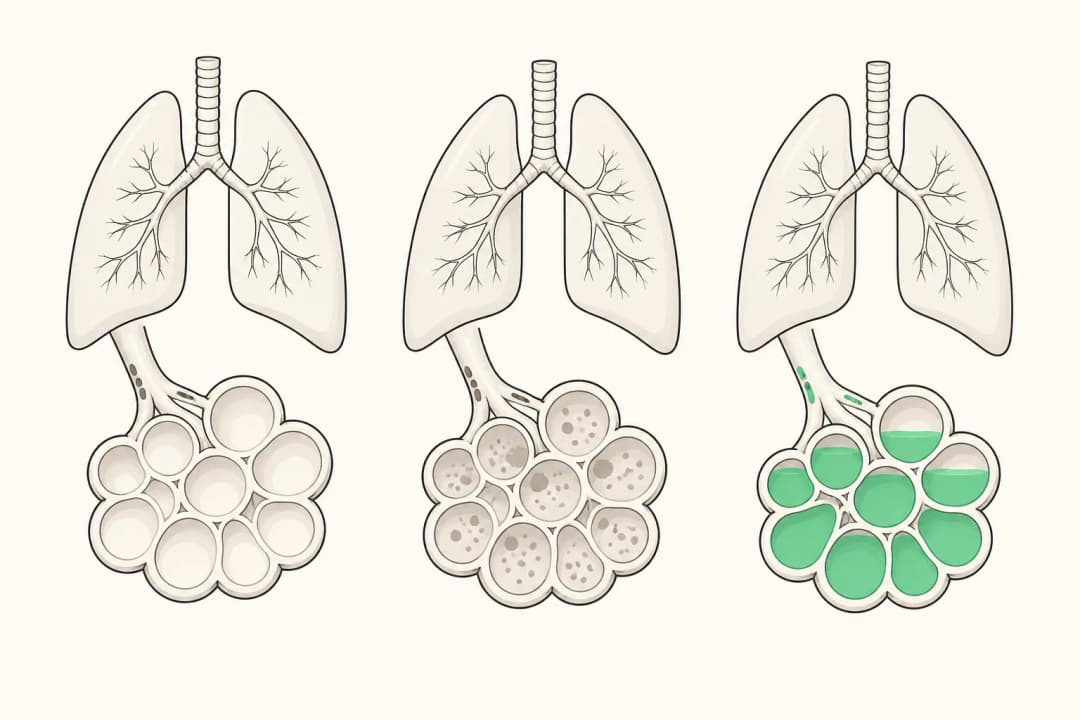
A cat normally closes and protects the airway while swallowing. Vomiting, reduced consciousness, throat or oesophageal disease, forceful syringe feeding and poor swallowing coordination can defeat that protection. Inhaled material irritates lung tissue and can carry bacteria into the lower airways.
The veterinarian will connect recent events with the cat's breathing pattern, temperature, hydration and chest sounds. Chest imaging, oxygen measurement and laboratory tests may be recommended according to the cat's stability. These findings help separate aspiration pneumonia from asthma, heart disease and other causes of respiratory distress.
Safe action while contacting a veterinarian
Phone a veterinary clinic promptly and describe the suspected aspiration event and current breathing. Keep the cat quiet in a well-ventilated carrier and minimise handling, because stress can worsen respiratory effort. Do not force food, water or oral medicine into a coughing, weak or breathless cat.
Veterinary care may include oxygen, fluids chosen for the cat's condition, antibiotics when bacterial pneumonia is suspected, and supportive airway treatment. The underlying swallowing, vomiting or oesophageal problem also needs attention to reduce further aspiration. Never give human cough, fever or pain medicines to a cat unless a veterinarian specifically directs their use.
Signs that need emergency veterinary care
Go to an emergency veterinary service immediately if the cat breathes with an open mouth, has blue or grey gums, collapses, cannot settle, stretches the neck to breathe, or shows pronounced movement of the abdomen with each breath. Call ahead so the team can prepare oxygen and reduce delays on arrival.
A cat should also be assessed promptly after a witnessed inhalation of vomit or liquid, even if initially comfortable, because lung signs can emerge later. New cough, lethargy, appetite loss or altered breathing after anaesthesia, regurgitation or assisted feeding warrants veterinary advice without waiting for severe distress.
Questions for your veterinarian
Ask what may have led to aspiration, how breathing should be monitored at home, and how medicines or food can be given more safely. Confirm which changes require an immediate return, when the cat should be rechecked, and whether investigation of vomiting, regurgitation or swallowing difficulty is recommended.
Find care
General Clinics & Polyclinics in Abu Dhabi
That answer is general. If you want it applied to your own case, these are licensed general clinics & polyclinics listed in Abu Dhabi.
27 Ar Ruwwad St - Shakhbout City - MSH4 - Abu Dhabi - United Arab Emirates
Accepts: Daman, Thiqa, Cigna, MetLife +20 more
Al Ruwais, Al Dhafrah
Accepts: Daman, Thiqa, AXA, Cigna +16 more
Al Bahyah - Al Bahyah Old - Abu Dhabi - United Arab Emirates
Accepts: Daman, Thiqa, Cigna, Allianz Care +18 more
Abu Dhabi
Accepts: Daman, Thiqa, AXA, Cigna +27 more
Ordered by verification status and how complete each clinic's public record is, then alphabetically. This is a directory listing, not a ranking — Zavis does not rate or recommend providers.
A factual listing drawn from the DHA, DOH and MOHAP licence registers. It is not a referral, an endorsement, or advice that any of these providers is right for you.
Questions people ask
Can a cat seem normal immediately after aspiration?
Yes. Breathing changes may not be obvious at once. Contact a veterinarian after a suspected event and watch without repeatedly handling the cat for changes in breathing, energy, appetite or gum colour.
Can aspiration pneumonia in a cat be treated at home?
Veterinary assessment comes first because breathing compromise can require oxygen and closely supervised treatment. Home care is suitable only when the veterinarian considers the cat stable and provides specific medicine, feeding and monitoring instructions.
Should I syringe-feed a cat that refuses food?
Not without veterinary guidance. Forceful feeding can send material into the airway, particularly in a weak, nauseated or poorly swallowing cat. A veterinarian can recommend a safer nutrition plan after identifying why the cat is not eating.
Medical disclaimer. This page is general health information, not medical advice, and it cannot diagnose you. Always consult a licensed healthcare provider about your own symptoms and treatment. In an emergency in the UAE, call 998 for an ambulance.