
Aspergillus pneumonia: symptoms, diagnosis and care
Short answer
Aspergillus pneumonia is a lung infection caused by Aspergillus mould and requires prompt medical assessment, especially in people with weakened immunity.
This answers one question. It is not a diagnosis and does not replace an assessment by a licensed doctor.
At a glance
- Cause
- A lung infection involving Aspergillus mould.
- Higher concern
- Reduced immunity or substantially damaged lungs can increase vulnerability.
- Diagnosis
- Symptoms, imaging, samples and immune status are interpreted together.
What is Aspergillus pneumonia?
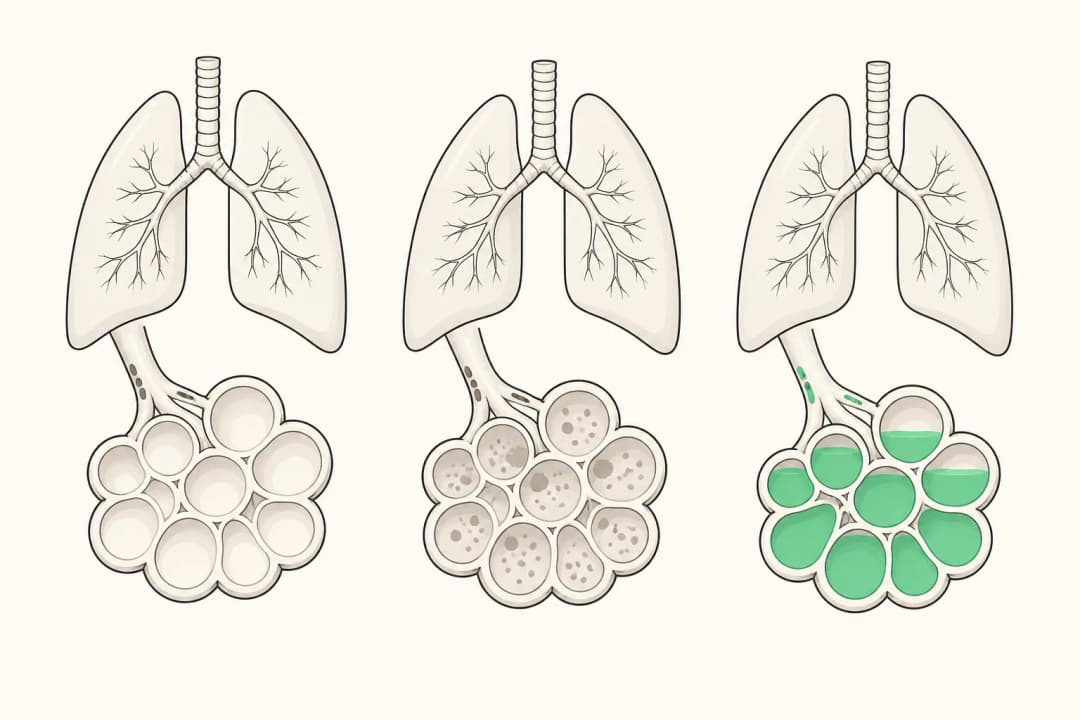
People regularly inhale mould spores without becoming ill. Disease is more concerning when immune defences are reduced or the lungs have significant underlying damage; Aspergillus can also cause allergic or chronic lung problems that are not the same as acute pneumonia.
Symptoms and diagnostic clues
Aspergillus pneumonia may present with cough, fever, breathlessness, chest discomfort, fatigue or coughing up phlegm. These symptoms also occur with other lung infections, so symptoms alone cannot identify the organism.
Assessment may include oxygen measurement, chest imaging, blood tests and examination of sputum or another respiratory sample. A positive test must be interpreted in context because detecting Aspergillus in the airways does not always establish invasive infection.
Treatment and self-care
Treatment depends on the form of disease, severity, immune status and test results. Clinicians may prescribe an antifungal medicine and review other medicines carefully because interactions and liver effects can influence the choice and monitoring plan.
Take prescribed treatment exactly as directed and report vomiting, yellowing of the skin or eyes, dark urine, a new rash or worsening symptoms. Rest, drink enough fluid unless you have a fluid restriction, and avoid smoke or vaping while the lungs recover.
When urgent help is needed
Seek emergency care for severe breathing difficulty, blue or grey lips, confusion, collapse, severe chest pain or coughing up a large amount of blood. These signs require rapid assessment whatever the suspected organism.
Contact a clinician promptly for worsening breathlessness, persistent fever, blood-streaked sputum, reduced urine, inability to keep medicines down, or symptoms developing during cancer treatment, after a transplant, or while taking immune-suppressing medicines.
Questions about diagnosis and follow-up
Ask which form of Aspergillus disease is suspected, what the scan and sample results show, how medicine interactions will be checked, which side effects need a call, and how response to treatment will be monitored.
Find care
General Clinics & Polyclinics in Abu Dhabi
That answer is general. If you want it applied to your own case, these are licensed general clinics & polyclinics listed in Abu Dhabi.
27 Ar Ruwwad St - Shakhbout City - MSH4 - Abu Dhabi - United Arab Emirates
Accepts: Daman, Thiqa, Cigna, MetLife +20 more
Al Ruwais, Al Dhafrah
Accepts: Daman, Thiqa, AXA, Cigna +16 more
Al Bahyah - Al Bahyah Old - Abu Dhabi - United Arab Emirates
Accepts: Daman, Thiqa, Cigna, Allianz Care +18 more
Abu Dhabi
Accepts: Daman, Thiqa, AXA, Cigna +27 more
Ordered by verification status and how complete each clinic's public record is, then alphabetically. This is a directory listing, not a ranking — Zavis does not rate or recommend providers.
A factual listing drawn from the DHA, DOH and MOHAP licence registers. It is not a referral, an endorsement, or advice that any of these providers is right for you.
Questions people ask
Is Aspergillus pneumonia passed from person to person?
It is generally linked to inhaling environmental spores rather than catching the infection from someone who is ill.
Does finding Aspergillus in sputum prove pneumonia?
Not by itself. A clinician interprets the finding with symptoms, immune status, imaging and other tests because airway detection can have different meanings.
Related
Related reading
Medical disclaimer. This page is general health information, not medical advice, and it cannot diagnose you. Always consult a licensed healthcare provider about your own symptoms and treatment. In an emergency in the UAE, call 998 for an ambulance.