
Allodynia and migraine: what to know
Short answer
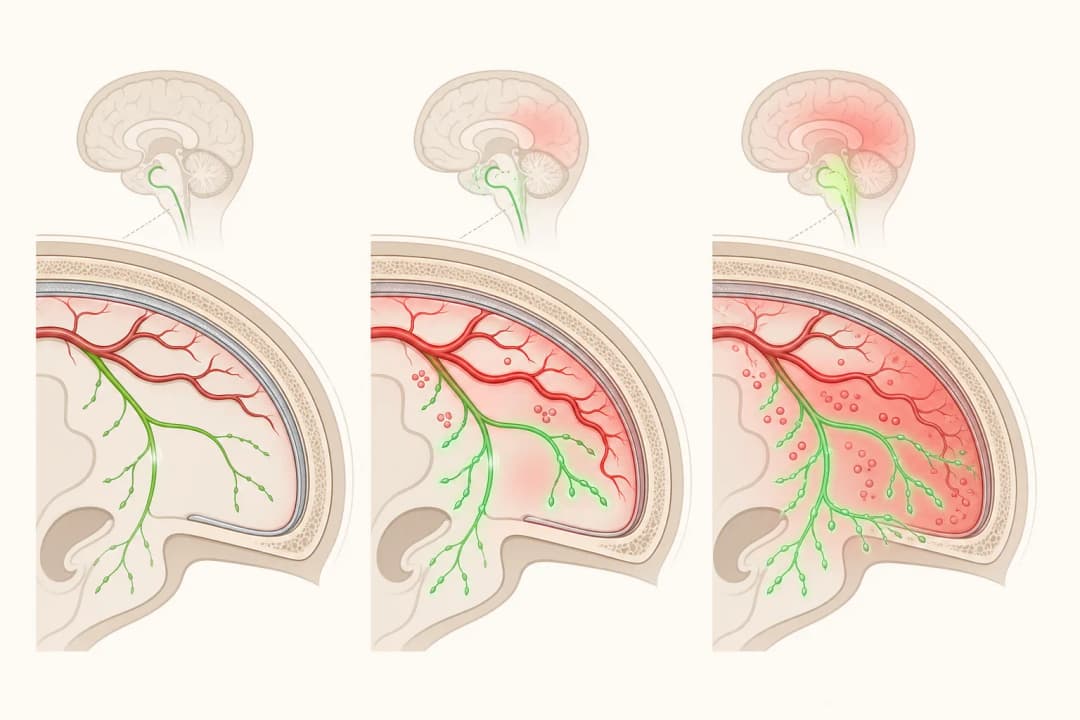
Allodynia during migraine means normally harmless touch feels painful, often because pain pathways have become unusually sensitive.
This answers one question. It is not a diagnosis and does not replace an assessment by a licensed doctor.
At a glance
- Typical trigger
- Light touch that would not ordinarily hurt
- Common locations
- Scalp and face, though other areas may be affected
- Helpful record
- Timing, location, accompanying symptoms, and medicine response
The short answer
Brushing hair, wearing glasses, resting on a pillow, or feeling clothing against the skin may hurt. The sensation can occur on the scalp or face and sometimes elsewhere on the body.
Why light touch can hurt
During a migraine attack, nerve networks that process pain can become sensitised. Signals from touch or temperature may then be interpreted as painful even though the contact has not damaged the skin.
Allodynia is different from tenderness caused by a cut, rash, infection, or bruise. Note whether it appears with headache, nausea, light sensitivity, dizziness, or other migraine features, and whether it settles when the attack ends.
Reducing discomfort during an attack
Move to a calm, dim environment if that helps. Avoid tight headwear, heavy hair accessories, vigorous scalp massage, and very hot or cold packs on sensitive skin. Use prescribed or clinician-recommended migraine medicine according to its instructions; taking more than directed can create additional problems.
Keep a brief record of when touch sensitivity begins, where it occurs, accompanying symptoms, medicines taken, and the response. This can help a clinician judge whether the migraine plan needs adjustment.
When medical assessment matters
Arrange a routine appointment if allodynia is new, is becoming more frequent, continues between attacks, or interferes with washing, sleep, or wearing clothes. A clinician can check for skin, nerve, dental, or other causes and review migraine treatment.
Seek urgent care for a sudden severe headache, new weakness or numbness, difficulty speaking, confusion, fainting, seizure, loss of vision, fever with neck stiffness, or headache after a significant head injury. These features require prompt assessment regardless of whether touch sensitivity is present.
Useful questions for your appointment
Ask whether the pattern fits migraine-related allodynia, what other causes need consideration, when to use your acute medicine, and whether preventive treatment is appropriate. Mention any rash, persistent facial pain, altered sensation, or change in headache pattern.
Find care
General Clinics & Polyclinics in Abu Dhabi
That answer is general. If you want it applied to your own case, these are licensed general clinics & polyclinics listed in Abu Dhabi.
27 Ar Ruwwad St - Shakhbout City - MSH4 - Abu Dhabi - United Arab Emirates
Accepts: Daman, Thiqa, Cigna, MetLife +20 more
Al Ruwais, Al Dhafrah
Accepts: Daman, Thiqa, AXA, Cigna +16 more
Al Bahyah - Al Bahyah Old - Abu Dhabi - United Arab Emirates
Accepts: Daman, Thiqa, Cigna, Allianz Care +18 more
Abu Dhabi
Accepts: Daman, Thiqa, AXA, Cigna +27 more
Ordered by verification status and how complete each clinic's public record is, then alphabetically. This is a directory listing, not a ranking — Zavis does not rate or recommend providers.
A factual listing drawn from the DHA, DOH and MOHAP licence registers. It is not a referral, an endorsement, or advice that any of these providers is right for you.
Questions people ask
Can allodynia happen without visible skin changes?
Yes. Migraine-related allodynia can make intact, normal-looking skin painful to touch because sensory processing is heightened.
Should I massage a painful scalp?
Firm massage may worsen discomfort during an attack. Gentle contact or avoiding pressure is often more tolerable until sensitivity settles.
Does allodynia confirm migraine?
No. It can occur with migraine, but skin and nerve conditions can also cause touch-evoked pain, so a new or persistent symptom deserves assessment.
Related
Related reading
Keep reading
Medical disclaimer. This page is general health information, not medical advice, and it cannot diagnose you. Always consult a licensed healthcare provider about your own symptoms and treatment. In an emergency in the UAE, call 998 for an ambulance.