
Allergy, asthma and immunology: how they connect
Short answer
Allergy and asthma can share immune triggers, while clinical immunology also evaluates unusual or recurrent immune-system problems beyond allergy.
This answers one question. It is not a diagnosis and does not replace an assessment by a licensed doctor.
At a glance
- Asthma triggers
- Allergens are one possible category; exercise, infection, smoke, and fumes can also matter.
- Clinical immunology
- Covers immune disorders as well as allergic disease.
- Action plan
- Explains daily treatment, worsening symptoms, and emergency steps.
The connection in brief
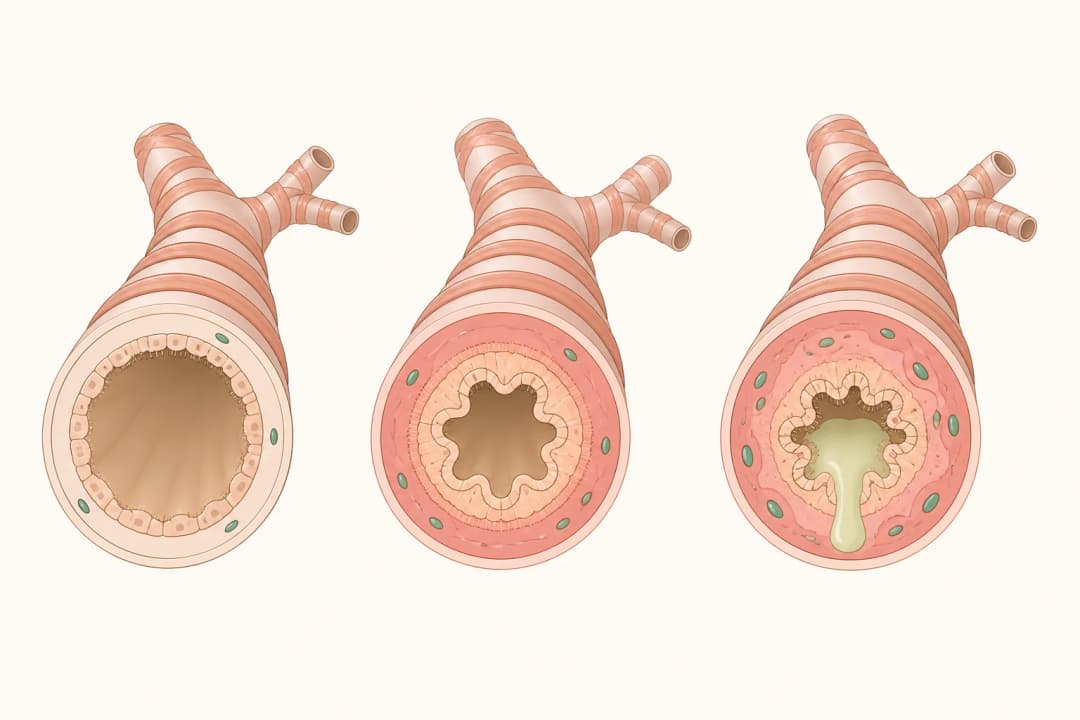
An allergy can inflame the nose, eyes, skin, or airways. Asthma involves variable airway narrowing and inflammation, but not every case is driven by an allergen.
Shared and distinct problems
Dust mites, animals, pollen, mould, infections, exercise, smoke, and strong fumes can be relevant to breathing symptoms, although they act through different pathways. A history linked to place, season, activity, and exposure helps separate these patterns.
Immunology assessment may be considered for recurrent or unusual infections, unexplained inflammation, or suspected immune dysfunction. It is not the same as routine allergy testing, and the investigations depend on the clinical concern.
Monitor and manage symptoms
Track cough, wheeze, chest tightness, night waking, activity limits, reliever use, and possible exposures. Bring inhalers to appointments so a clinician can check technique and confirm which medicine is for control and which is for rapid relief.
Follow the written asthma plan, reduce confirmed triggers where practical, and treat linked nasal disease as advised. Do not rely on allergy avoidance alone if controller treatment has been prescribed.
Breathing red flags
Seek emergency help if breathing is severely difficult, speech is broken by breathlessness, lips look blue or grey, the person becomes drowsy or confused, or the prescribed reliever is not helping. Use emergency medicines exactly as directed in the action plan while help is arranged.
Request an earlier review when symptoms wake you, restrict normal activity, recur after the same exposure, or require reliever treatment more often than your plan allows.
Useful questions for your clinician
Ask whether your pattern suggests allergic asthma, which lung or allergy tests would change treatment, and how to recognise loss of asthma control. If infections are the concern, ask what features support an immune evaluation and what each proposed test examines.
Find care
General Clinics & Polyclinics in Abu Dhabi
That answer is general. If you want it applied to your own case, these are licensed general clinics & polyclinics listed in Abu Dhabi.
27 Ar Ruwwad St - Shakhbout City - MSH4 - Abu Dhabi - United Arab Emirates
Accepts: Daman, Thiqa, Cigna, MetLife +20 more
Al Ruwais, Al Dhafrah
Accepts: Daman, Thiqa, AXA, Cigna +16 more
Al Bahyah - Al Bahyah Old - Abu Dhabi - United Arab Emirates
Accepts: Daman, Thiqa, Cigna, Allianz Care +18 more
Abu Dhabi
Accepts: Daman, Thiqa, AXA, Cigna +27 more
Ordered by verification status and how complete each clinic's public record is, then alphabetically. This is a directory listing, not a ranking — Zavis does not rate or recommend providers.
A factual listing drawn from the DHA, DOH and MOHAP licence registers. It is not a referral, an endorsement, or advice that any of these providers is right for you.
Questions people ask
Does asthma always mean I have an allergy?
No. Allergens can trigger asthma in some people, while infections, exercise, irritants, weather changes, and other factors can provoke symptoms without a specific allergy.
Can treating nasal allergy help breathing care?
Managing nasal inflammation may reduce an additional source of upper-airway symptoms, but it does not replace prescribed asthma treatment or monitoring.
When is nebuliser treatment used?
A nebuliser delivers medicine as a mist and may be used in selected acute or clinical situations. The appropriate delivery device depends on severity, age, technique, and the care plan.
Related
Related reading
Keep reading
Medical disclaimer. This page is general health information, not medical advice, and it cannot diagnose you. Always consult a licensed healthcare provider about your own symptoms and treatment. In an emergency in the UAE, call 998 for an ambulance.