
Hepatitis A: spread, symptoms, care, and prevention
Short answer
Hepatitis A is a contagious viral liver infection spread mainly through contaminated food, water, or close personal contact.
This answers one question. It is not a diagnosis and does not replace an assessment by a licensed doctor.
At a glance
- Organ affected
- The liver.
- Common route
- Ingestion of virus from contaminated hands, food, or water.
- Prevention
- Vaccination, hand hygiene, and safer food and water practices.
Hepatitis A in brief
It may cause tiredness, poor appetite, nausea, abdominal discomfort, dark urine, pale stools, or yellowing of the skin and eyes. Care is usually supportive, and the infection does not become a long-term hepatitis A infection.
How hepatitis A spreads and affects you
The virus is passed in stool and can reach another person's mouth through unwashed hands, contaminated food or drink, or close contact. Someone can transmit it even before recognising symptoms, which makes careful handwashing especially useful after using the toilet and before preparing food.
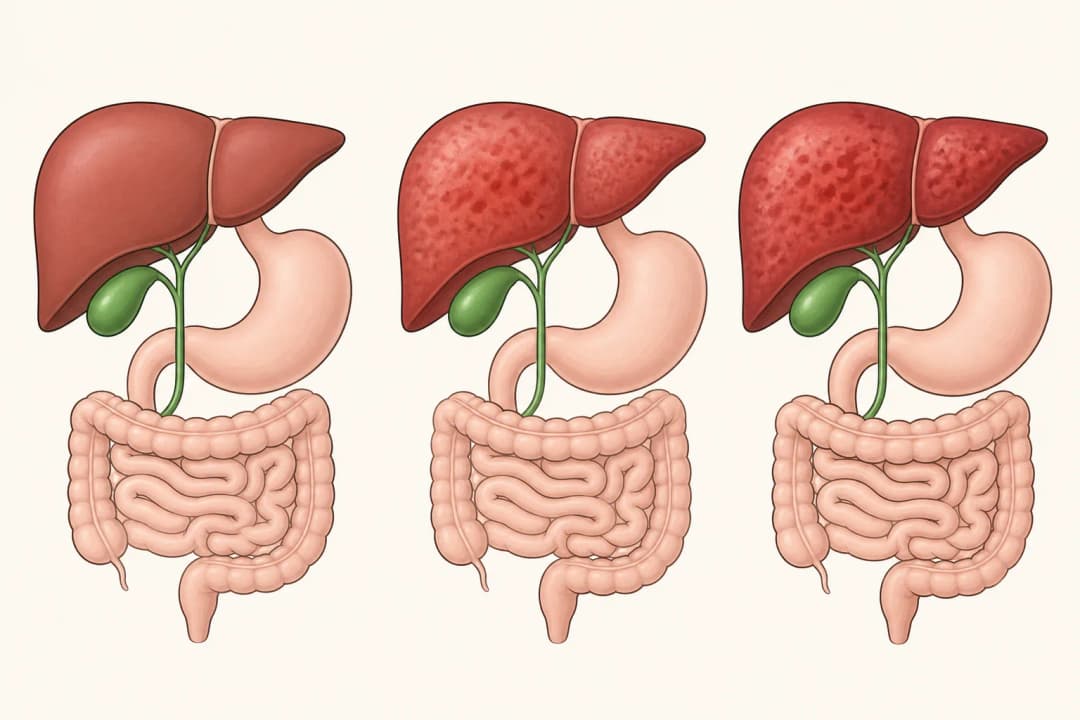
Inflammation temporarily affects how the liver processes substances and releases bile. Symptoms alone cannot distinguish hepatitis A from other causes of liver inflammation. A clinician uses exposure history and blood tests to confirm the diagnosis and may request liver function tests to assess inflammation and liver performance.
Supporting recovery and protecting others
Arrange medical advice if hepatitis A is possible. Rest according to your energy, drink enough to avoid dehydration, and try small balanced meals if nausea or loss of appetite makes eating difficult. Avoid alcohol and check medicines, supplements, and herbal products with a clinician or pharmacist because the liver processes many of them.
Wash hands thoroughly with soap and water, do not prepare food for others while advised to avoid it, and follow local public-health instructions about work or school. Household and close contacts should promptly ask whether vaccination or another preventive measure is suitable after exposure.
When urgent assessment is needed
Seek urgent care for confusion, extreme drowsiness, fainting, unusual bleeding, severe or worsening abdominal pain, repeated vomiting, inability to keep fluids down, or very little urine. These features can signal serious liver dysfunction or dehydration.
Contact a clinician promptly for yellow skin or eyes, dark urine with pale stools, or symptoms after a known exposure. People with existing liver disease, older adults, and pregnant people should mention their circumstances early so care can be tailored.
Questions for your appointment
Ask which blood tests are needed, what changes would indicate liver recovery, and which medicines or supplements to pause. Clarify how long to avoid preparing food for others, who among your close contacts needs advice, and whether your hepatitis A vaccinations are up to date.
Find care
General Clinics & Polyclinics in Abu Dhabi
That answer is general. If you want it applied to your own case, these are licensed general clinics & polyclinics listed in Abu Dhabi.
27 Ar Ruwwad St - Shakhbout City - MSH4 - Abu Dhabi - United Arab Emirates
Accepts: Daman, Thiqa, Cigna, MetLife +20 more
Al Ruwais, Al Dhafrah
Accepts: Daman, Thiqa, AXA, Cigna +16 more
Al Bahyah - Al Bahyah Old - Abu Dhabi - United Arab Emirates
Accepts: Daman, Thiqa, Cigna, Allianz Care +18 more
Abu Dhabi
Accepts: Daman, Thiqa, AXA, Cigna +27 more
Ordered by verification status and how complete each clinic's public record is, then alphabetically. This is a directory listing, not a ranking — Zavis does not rate or recommend providers.
A factual listing drawn from the DHA, DOH and MOHAP licence registers. It is not a referral, an endorsement, or advice that any of these providers is right for you.
Questions people ask
Does hepatitis A become chronic?
No. Hepatitis A does not cause chronic hepatitis A infection, although recovery from the acute illness can take time and follow-up may still be needed.
How is hepatitis A confirmed?
A clinician can order a blood test that looks for the immune response associated with a current hepatitis A infection. Liver function tests help assess how the liver is affected.
Should close contacts seek advice even if they feel well?
Yes. Preventive options work within a limited period after some exposures, so close contacts should seek prompt personalised advice rather than wait for symptoms.
Related
Related reading
Keep reading
Medical disclaimer. This page is general health information, not medical advice, and it cannot diagnose you. Always consult a licensed healthcare provider about your own symptoms and treatment. In an emergency in the UAE, call 998 for an ambulance.