
What should you know about aerosol therapy for asthma?
Short answer
Aerosol therapy delivers asthma medicine into the airways through an inhaler or nebuliser, where correct technique strongly affects the delivered dose.
This answers one question. It is not a diagnosis and does not replace an assessment by a licensed doctor.
At a glance
- Purpose
- Deliver prescribed medicine directly into the airways
- Main variable
- Device technique affects how much medicine reaches the lungs
- Care plan
- Know the controller, reliever and emergency instructions
Direct answer
Some inhaled medicines provide quick relief by relaxing tightened airway muscles; others control inflammation when taken regularly. The prescribed medicine, device and schedule depend on the person's asthma plan.
Delivery methods and medicine roles
A metered-dose inhaler releases a spray that must be coordinated with a slow breath; a spacer can make coordination easier and reduce medicine left in the mouth. Dry-powder devices generally need a firm, deep inhalation. A nebuliser turns liquid medicine into a mist breathed through a mask or mouthpiece.
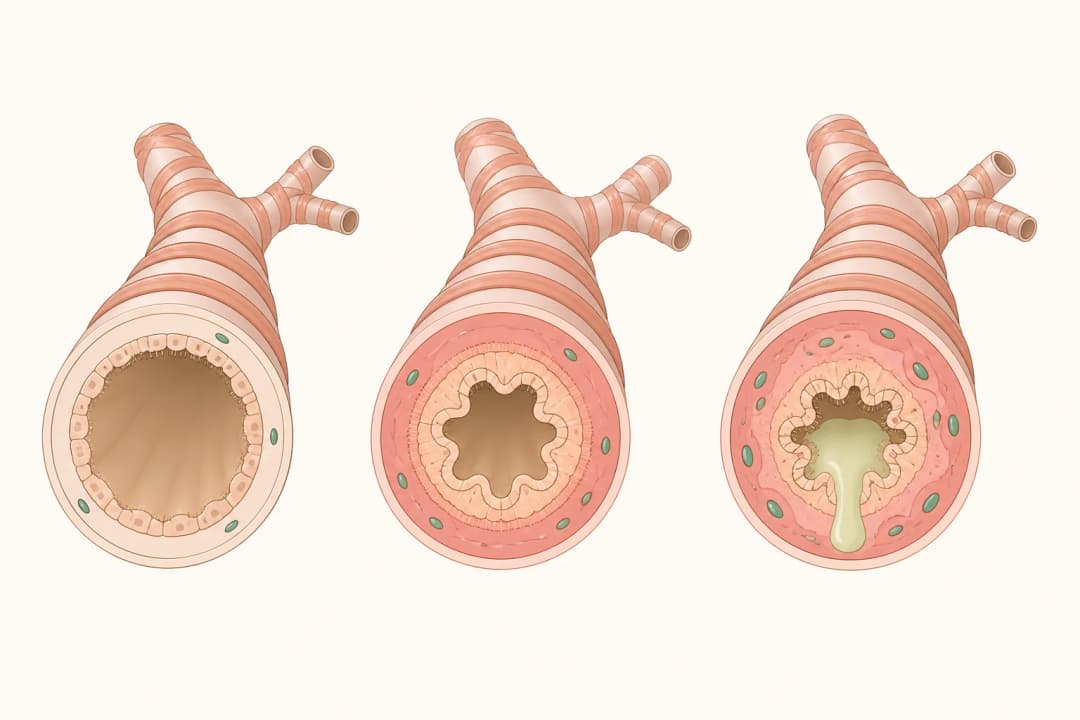
Asthma commonly presents with wheezing, cough, chest tightness and breathlessness, but symptoms can vary over time. Aerosol therapy treats airway narrowing or inflammation; it does not remove every possible trigger, and a nebuliser is not automatically stronger or more suitable than a handheld inhaler.
Using treatment effectively
Follow the written asthma plan and use only the medicine prescribed for that device. Have a clinician or pharmacist watch your technique because small errors can prevent medicine reaching the lungs. Keep mouthpieces clean and dry as instructed, track remaining doses, and replace damaged equipment.
Rinse the mouth and spit after an inhaled corticosteroid unless your prescriber gives different instructions. If symptoms are recurring, night waking develops, activity becomes harder or quick-relief medicine is needed more often than your plan allows, arrange an asthma review rather than simply increasing treatment yourself.
When breathing symptoms need urgent care
Call emergency services for severe breathlessness, difficulty speaking because of breathing, blue or grey lips, confusion, exhaustion, collapse, or rapid worsening despite following the emergency steps in the asthma plan. Use the prescribed reliever as directed while help is being arranged.
Seek prompt medical advice if the reliever gives less benefit than usual, symptoms return soon after treatment, or the device cannot be used correctly. Urgency follows the breathing difficulty and response to treatment, not whether a particular symptom is common.
Questions for your doctor
Confirm which inhaler is the controller, which is the reliever, how each should be taken, and what changes activate the urgent part of your plan. Also ask for a device demonstration, whether a spacer is appropriate, how to clean the equipment, and what to do when away from home.
Find care
General Clinics & Polyclinics in Abu Dhabi
That answer is general. If you want it applied to your own case, these are licensed general clinics & polyclinics listed in Abu Dhabi.
27 Ar Ruwwad St - Shakhbout City - MSH4 - Abu Dhabi - United Arab Emirates
Accepts: Daman, Thiqa, Cigna, MetLife +20 more
Al Ruwais, Al Dhafrah
Accepts: Daman, Thiqa, AXA, Cigna +16 more
Al Bahyah - Al Bahyah Old - Abu Dhabi - United Arab Emirates
Accepts: Daman, Thiqa, Cigna, Allianz Care +18 more
Abu Dhabi
Accepts: Daman, Thiqa, AXA, Cigna +27 more
Ordered by verification status and how complete each clinic's public record is, then alphabetically. This is a directory listing, not a ranking — Zavis does not rate or recommend providers.
A factual listing drawn from the DHA, DOH and MOHAP licence registers. It is not a referral, an endorsement, or advice that any of these providers is right for you.
Questions people ask
Is a nebuliser always better than an inhaler for asthma?
No. Suitability depends on the medicine, the situation and whether the person can use the device effectively. An inhaler with a spacer may deliver prescribed medicine efficiently when used correctly.
Why should inhaler technique be checked again?
Technique can drift, and different devices require different breathing patterns and preparation. A practical check can uncover errors even when the device feels familiar.
Can I put any inhaler medicine into a nebuliser?
No. Nebulisers require a formulation and dose specifically prescribed for nebulisation. Do not transfer, mix or substitute medicines unless a qualified prescriber has instructed you to do so.
Related
Related reading
Keep reading
Medical disclaimer. This page is general health information, not medical advice, and it cannot diagnose you. Always consult a licensed healthcare provider about your own symptoms and treatment. In an emergency in the UAE, call 998 for an ambulance.