
Adenomyosis and irregular periods
Short answer
Adenomyosis can cause heavy or painful bleeding, but truly irregular cycle timing may have another or an additional cause that needs assessment.
This answers one question. It is not a diagnosis and does not replace an assessment by a licensed doctor.
At a glance
- Key distinction
- Unpredictable timing differs from heavy flow on expected dates
- Helpful record
- Bleeding dates, spotting, flow, pain and medicine changes
- Treatment focus
- The underlying cause and the person's reproductive goals
Does adenomyosis cause irregular periods?
Some people use “irregular” to mean unpredictable dates, while others mean spotting, prolonged flow or a sudden change in volume. Describing exactly what changed helps a clinician distinguish altered timing from abnormal bleeding during an otherwise predictable cycle.
Why the bleeding pattern matters
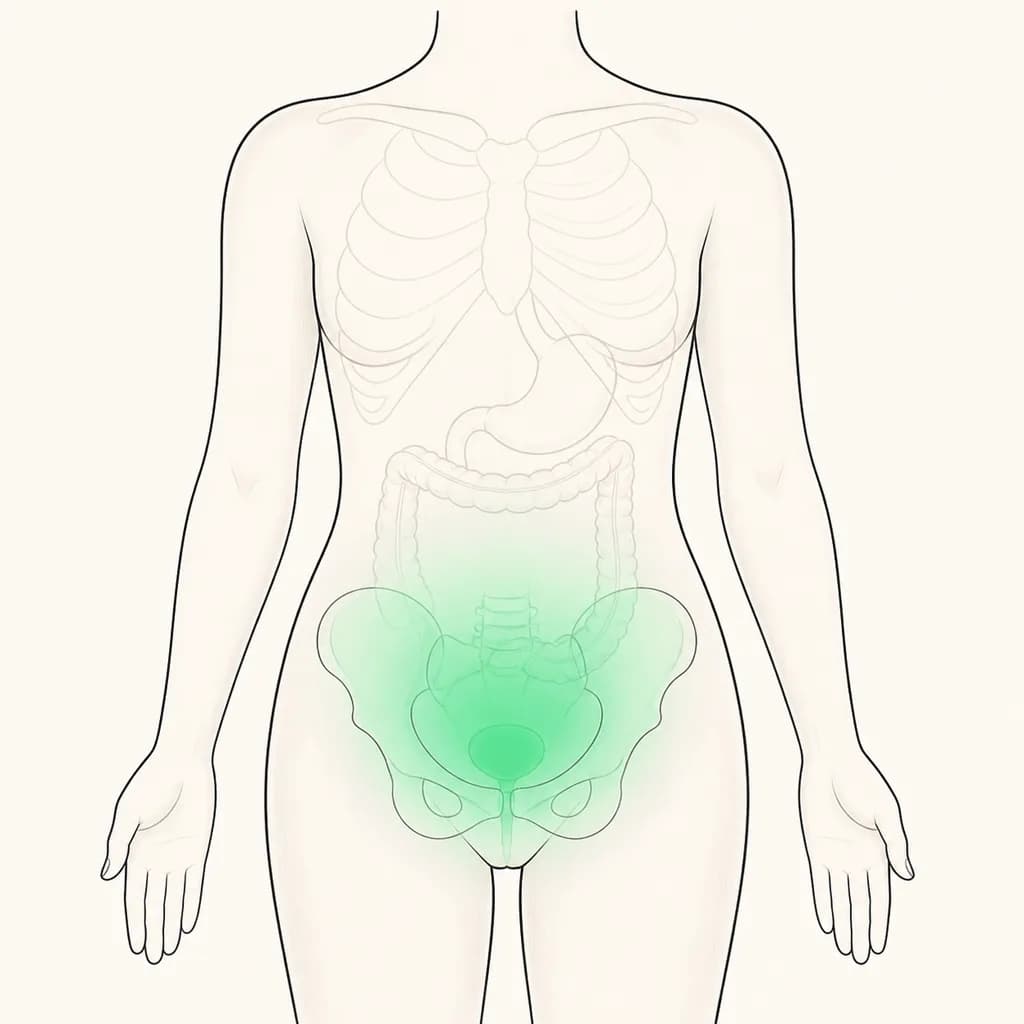
Adenomyosis affects the muscular wall of the womb and may present with heavy periods, painful periods or pelvic discomfort. Widely varying gaps between periods can instead reflect irregular ovulation, life-stage hormonal changes, thyroid problems, pregnancy-related bleeding or other gynaecological conditions.
More than one issue can be present. The timing of bleeding, associated pain and symptoms such as hot flushes, acne, unwanted hair growth or nipple discharge can guide which causes a clinician considers; none of these details confirms a diagnosis on its own.
Record the pattern and arrange assessment
Mark the first and last day of every bleed, episodes of spotting, flow changes, clots, pain and any medicines in a calendar. Note recent contraception changes and whether pregnancy is possible. This record gives more useful detail than simply saying cycles are irregular.
A medical review may include questions about general health, a pregnancy test where relevant, blood tests or pelvic imaging. Management depends on the cause and personal goals. Hormonal medicines can regulate bleeding for some people, while a condition affecting ovulation may require a different plan.
Bleeding changes that need timely care
Book an appointment for a persistent new pattern, bleeding between periods, bleeding after sex, worsening pelvic pain or symptoms of anaemia such as unusual fatigue or shortness of breath. Obtain urgent help if bleeding is very heavy and accompanied by faintness, if pain is sudden and severe, or if abnormal bleeding occurs with a possible pregnancy.
Clarify the cause and treatment goal
Ask whether the concern is cycle timing, bleeding volume or both; which alternative causes need checking; and whether imaging would add useful information. Discuss whether the priority is contraception, predictable cycles, lighter bleeding, pain control or pregnancy planning, because that choice shapes treatment.
Find care
General Clinics & Polyclinics in Abu Dhabi
That answer is general. If you want it applied to your own case, these are licensed general clinics & polyclinics listed in Abu Dhabi.
27 Ar Ruwwad St - Shakhbout City - MSH4 - Abu Dhabi - United Arab Emirates
Accepts: Daman, Thiqa, Cigna, MetLife +20 more
Al Ruwais, Al Dhafrah
Accepts: Daman, Thiqa, AXA, Cigna +16 more
Al Bahyah - Al Bahyah Old - Abu Dhabi - United Arab Emirates
Accepts: Daman, Thiqa, Cigna, Allianz Care +18 more
Abu Dhabi
Accepts: Daman, Thiqa, AXA, Cigna +27 more
Ordered by verification status and how complete each clinic's public record is, then alphabetically. This is a directory listing, not a ranking — Zavis does not rate or recommend providers.
A factual listing drawn from the DHA, DOH and MOHAP licence registers. It is not a referral, an endorsement, or advice that any of these providers is right for you.
Questions people ask
Can adenomyosis and an ovulation problem occur together?
Yes. One condition does not exclude another, so unpredictable cycles should be assessed even when adenomyosis has already been diagnosed.
Will a scan explain every irregular period?
No. Imaging can assess pelvic structures, but cycle timing is often influenced by hormonal or ovulation-related factors that require history and selected tests.
Can contraception change the bleeding pattern?
Yes. Starting, stopping or changing hormonal contraception can alter timing and flow. Tell the clinician which method you use and when it changed.
Related
Related reading
Keep reading
Medical disclaimer. This page is general health information, not medical advice, and it cannot diagnose you. Always consult a licensed healthcare provider about your own symptoms and treatment. In an emergency in the UAE, call 998 for an ambulance.