
Acute pneumonia: symptoms, treatment, and warning signs
Short answer
Acute pneumonia is a lung infection that needs timely assessment because breathing problems and complications can develop quickly.
This answers one question. It is not a diagnosis and does not replace an assessment by a licensed doctor.
At a glance
- Affected area
- The air spaces within one or both lungs
- Assessment may include
- Chest examination, oxygen measurement, imaging, or infection tests
- Emergency sign
- Severe breathing difficulty, blue lips, collapse, or confusion
The short answer
Treatment depends on the likely cause, illness severity, oxygen level, age, and existing health conditions. Bacterial pneumonia may require antibiotics, while supportive care remains central for many viral infections.
How pneumonia affects the lungs
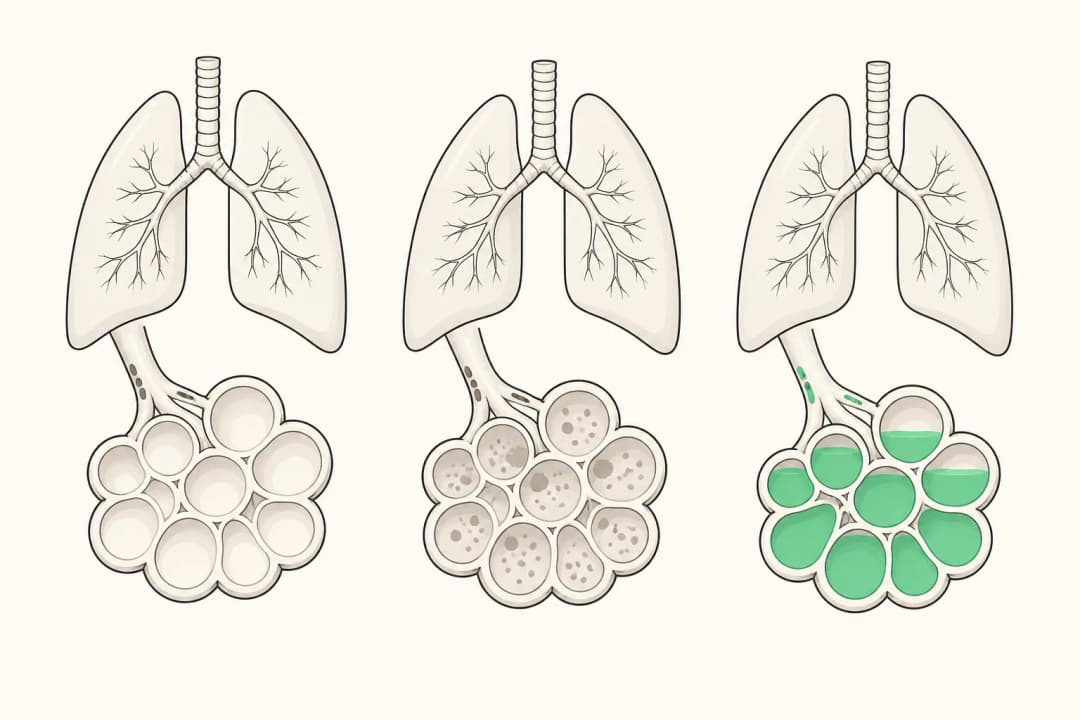
In pneumonia, the tiny air spaces in one or both lungs become inflamed and may fill with fluid. Pneumonia commonly presents with cough, fever, chills, breathlessness, chest pain that worsens with breathing, tiredness, or phlegm. Older adults may instead develop weakness, reduced appetite, or new confusion.
Viruses and bacteria can cause a similar early illness, so symptoms alone may not identify the germ. A clinician may examine the chest, measure oxygen, and consider imaging or tests based on how unwell the person appears.
Practical next steps
Contact a healthcare professional promptly if pneumonia is suspected, particularly for a child, an older adult, someone who is pregnant, or anyone with heart, lung, kidney, or immune problems. Rest, drink enough fluid to avoid dehydration, and use fever or pain medicine only if it is suitable for you.
Take prescribed antibiotics exactly as instructed and do not use leftover medicine. Avoid smoking and strenuous activity while breathless. Keep track of breathing, alertness, fluid intake, and whether symptoms are improving; deterioration matters even after treatment has started.
Signs that need urgent help
Call emergency services for severe trouble breathing, blue or grey lips, collapse, marked drowsiness, new confusion, or chest pain that is intense or persistent. A child with grunting, pauses in breathing, marked chest pulling, or difficulty waking also needs emergency assessment.
Seek same-day care if breathing is becoming harder, fever is accompanied by shaking chills, you cannot keep fluids down, urine output falls, or symptoms worsen after initial improvement. These features can signal low oxygen, dehydration, or infection affecting the whole body.
Points to clarify with your clinician
Ask what cause is suspected, whether oxygen measurement or a chest image is needed, and which changes should prompt urgent reassessment. Confirm how to use each medicine and when it is reasonable to resume usual work, exercise, or school.
Find care
General Clinics & Polyclinics in Abu Dhabi
That answer is general. If you want it applied to your own case, these are licensed general clinics & polyclinics listed in Abu Dhabi.
27 Ar Ruwwad St - Shakhbout City - MSH4 - Abu Dhabi - United Arab Emirates
Accepts: Daman, Thiqa, Cigna, MetLife +20 more
Al Ruwais, Al Dhafrah
Accepts: Daman, Thiqa, AXA, Cigna +16 more
Al Bahyah - Al Bahyah Old - Abu Dhabi - United Arab Emirates
Accepts: Daman, Thiqa, Cigna, Allianz Care +18 more
Abu Dhabi
Accepts: Daman, Thiqa, AXA, Cigna +27 more
Ordered by verification status and how complete each clinic's public record is, then alphabetically. This is a directory listing, not a ranking — Zavis does not rate or recommend providers.
A factual listing drawn from the DHA, DOH and MOHAP licence registers. It is not a referral, an endorsement, or advice that any of these providers is right for you.
Questions people ask
Is every case of pneumonia treated with antibiotics?
No. Antibiotics treat bacterial infection but do not treat viruses. The decision rests on the clinical assessment, likely cause, and severity.
Can pneumonia occur without a high fever?
Yes. Fever may be mild or absent, especially in older adults or people with a reduced immune response. Breathlessness, cough, weakness, or confusion still warrant assessment.
When should improvement be checked?
Follow the clinician's review plan, and seek help sooner if breathing worsens, alertness changes, fluids cannot be kept down, or new chest pain develops.
Related
Related reading
Medical disclaimer. This page is general health information, not medical advice, and it cannot diagnose you. Always consult a licensed healthcare provider about your own symptoms and treatment. In an emergency in the UAE, call 998 for an ambulance.