
What should you know about absolute constipation?
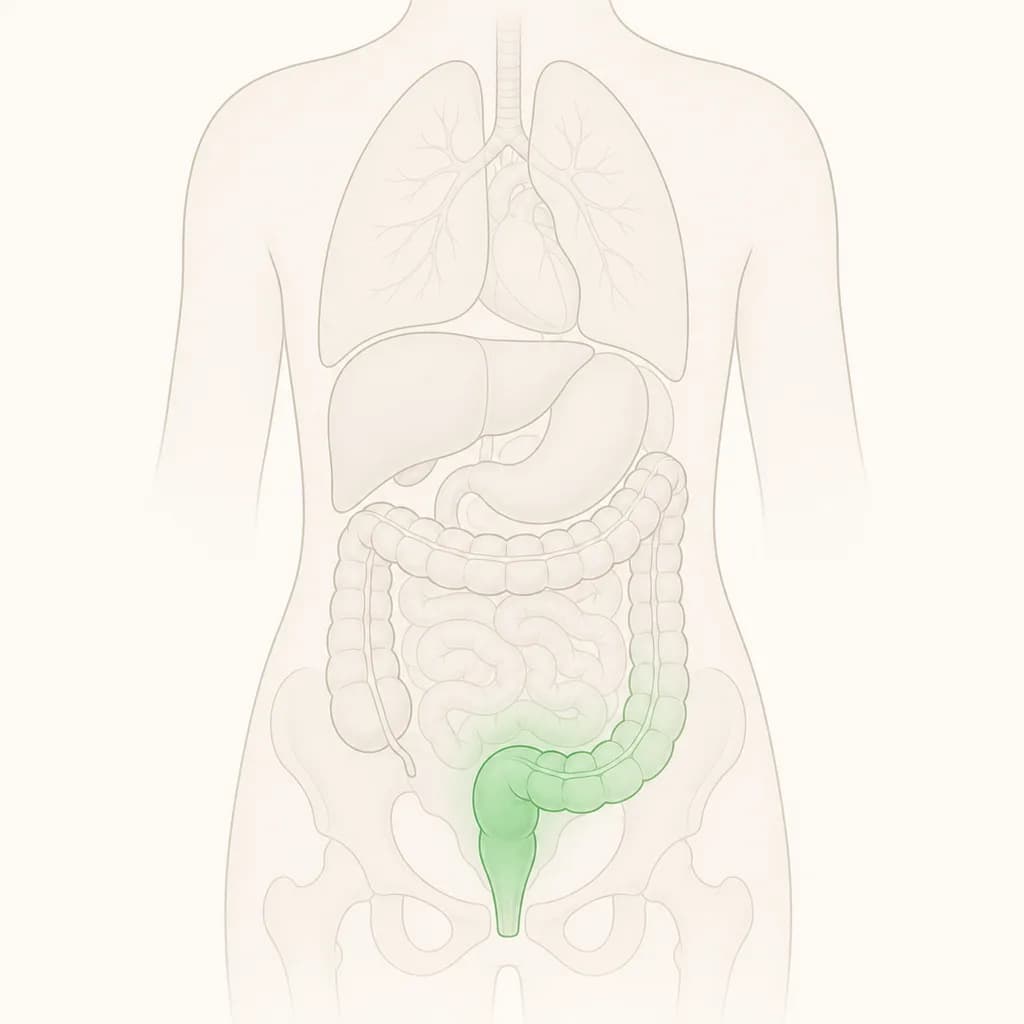
Short answer
Absolute constipation usually describes being unable to pass any stool and may include being unable to pass gas; sudden symptoms with pain, swelling, or vomiting need urgent medical assessment.
This answers one question. It is not a diagnosis and does not replace an assessment by a licensed doctor.
At a glance
- Key distinction
- Not passing gas as well as stool is more concerning than hard or infrequent stool alone.
- Avoid
- Do not escalate laxatives or enemas when blockage warning signs are present.
- Useful detail
- Record the last time you passed stool and gas and any recent medicine changes.
Direct answer
The phrase is not used consistently, so a clinician will clarify when you last passed stool or gas and whether the change was sudden.
What absolute constipation means
A complete stop in bowel movements is different from simply passing hard stools less often. When stool and gas cannot move through the bowel, a blockage or severe slowing of the bowel must be considered. Abdominal swelling, cramping, nausea, or vomiting make this more concerning.
Constipation can also accompany dehydration, a change in diet or activity, certain medicines, irritable bowel syndrome, or an underactive thyroid. Those causes do not remove the need to assess new red-flag symptoms.
What to do now
If you can still pass gas, have no severe pain or vomiting, and otherwise feel well, drink fluids regularly, keep gently active, and note your bowel pattern. Review recent changes in medicines, supplements, food, travel, and routine.
Do not keep increasing laxatives or use an enema when you cannot pass gas, your abdomen is increasingly swollen, or vomiting has started. These features need assessment before further self-treatment. A clinician may examine your abdomen and rectum and decide whether testing or imaging is appropriate.
When to seek care
Seek urgent medical care for severe or worsening abdominal pain, a markedly swollen abdomen, repeated vomiting, inability to pass both stool and gas, fainting, confusion, blood in the stool, or black stool. These warning signs can occur when the bowel is blocked or another acute problem is present.
Arrange a routine medical review when constipation persists, repeatedly returns, follows a new medicine, or occurs with unexplained weight loss, ongoing tiredness, or a lasting change in stool shape or bowel habit.
Questions for your doctor
Ask whether your symptoms suggest simple constipation or possible obstruction, whether any prescribed or over-the-counter medicine could be contributing, and which laxative—if any—is suitable. Also ask whether thyroid testing, a rectal examination, or abdominal imaging is warranted based on your symptoms.
Find care
General Clinics & Polyclinics in Abu Dhabi
That answer is general. If you want it applied to your own case, these are licensed general clinics & polyclinics listed in Abu Dhabi.
27 Ar Ruwwad St - Shakhbout City - MSH4 - Abu Dhabi - United Arab Emirates
Accepts: Daman, Thiqa, Cigna, MetLife +20 more
Al Ruwais, Al Dhafrah
Accepts: Daman, Thiqa, AXA, Cigna +16 more
Al Bahyah - Al Bahyah Old - Abu Dhabi - United Arab Emirates
Accepts: Daman, Thiqa, Cigna, Allianz Care +18 more
Abu Dhabi
Accepts: Daman, Thiqa, AXA, Cigna +27 more
Ordered by verification status and how complete each clinic's public record is, then alphabetically. This is a directory listing, not a ranking — Zavis does not rate or recommend providers.
A factual listing drawn from the DHA, DOH and MOHAP licence registers. It is not a referral, an endorsement, or advice that any of these providers is right for you.
Questions people ask
Is absolute constipation the same as ordinary constipation?
Not necessarily. Ordinary constipation may involve hard, difficult, or infrequent stools, while absolute constipation often refers to no passage of stool and sometimes no passage of gas.
Can I take a laxative for absolute constipation?
A laxative may be appropriate for uncomplicated constipation, but do not self-treat when you cannot pass gas or have severe pain, increasing swelling, or vomiting. Seek medical assessment instead.
What will a clinician want to know?
Be ready to describe your last bowel movement, whether you can pass gas, pain and vomiting, abdominal swelling, blood or black stool, previous abdominal surgery, and all medicines and supplements.
Related
Related reading
Keep reading
Medical disclaimer. This page is general health information, not medical advice, and it cannot diagnose you. Always consult a licensed healthcare provider about your own symptoms and treatment. In an emergency in the UAE, call 998 for an ambulance.