
Cervical Cerclage: What to Expect
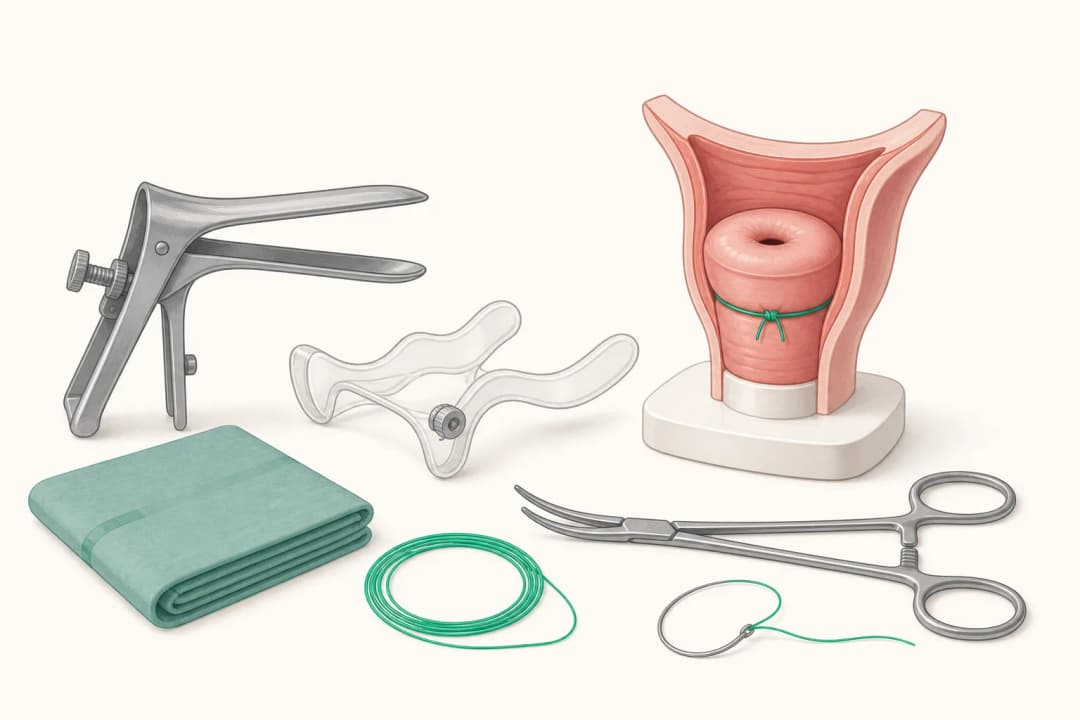
At a glance
- Also called
- Cervical stitch
- Purpose
- Support the cervix during pregnancy
- Removal
- Planned according to pregnancy and labour circumstances
Find care
General Clinics & Polyclinics in Abu Dhabi
Licensed general clinics & polyclinics listed in Abu Dhabi. Appearing here means a provider holds a UAE licence in this category — not that it offers cervical cerclage: what to expect, which is worth confirming with the clinic before you book.
27 Ar Ruwwad St - Shakhbout City - MSH4 - Abu Dhabi - United Arab Emirates
Accepts: Daman, Thiqa, Cigna, MetLife +20 more
Al Ruwais, Al Dhafrah
Accepts: Daman, Thiqa, AXA, Cigna +16 more
Al Bahyah - Al Bahyah Old - Abu Dhabi - United Arab Emirates
Accepts: Daman, Thiqa, Cigna, Allianz Care +18 more
Abu Dhabi
Accepts: Daman, Thiqa, AXA, Cigna +27 more
The New EMI State Tower - 3rd Floor 303 Kan’ad Street - Hamdan Bin Mohammed St - Al Danah - Zone 1 - Abu Dhabi - United Arab Emirates
Accepts: Daman, Thiqa, Cigna, MetLife +22 more
Taj Resorts RV-1, Al Nasser Properties - Mafraq-2 - Mafraq Industrial Area - Abu Dhabi - United Arab Emirates
Accepts: Daman, Thiqa, AXA, Cigna +14 more
Ordered by verification status and how complete each clinic's public record is, then alphabetically. This is a directory listing, not a ranking — Zavis does not rate or recommend providers.
A factual listing drawn from the DHA, DOH and MOHAP licence registers. It is not a referral, an endorsement, or advice that any of these providers is right for you.
What is cervical cerclage?
Cervical cerclage is a procedure that places a strong stitch around the cervix to help it stay closed during pregnancy. It may be called a cervical stitch. The cervix is the lower, narrow part of the uterus that opens into the vagina. A stitch can provide physical support when the cervix is at risk of opening too early, which may lead to pregnancy loss or preterm labour.
What happens at each stage?
Before the procedure, the obstetric team reviews your pregnancy, examines the cervix when needed, and discusses anaesthesia and timing. During placement, you usually receive regional or general anaesthesia, and the clinician places the stitch through the vagina around the cervix. Afterward, you are observed while the anaesthetic wears off and are given instructions about activity, discharge, pain, and warning signs. A planned stitch is often removed later in pregnancy; an urgent stitch may have a different plan.
Is it safe for me and the baby?
Cerclage is commonly used when the expected benefit of supporting the cervix outweighs the procedure’s risks. The stitch is placed around the cervix rather than the baby. Possible problems include bleeding, infection, contractions, leakage of amniotic fluid, or injury to the cervix. Contact your maternity team promptly for regular contractions, heavy bleeding, fluid leakage, fever, or severe pain.
What are my choices?
Your choices depend on your pregnancy history, cervical findings, symptoms, and gestational age. Options may include a planned cerclage, an urgent cerclage after cervical change, close monitoring, or a different care plan. Your clinician may also discuss vaginal progesterone or other measures when appropriate. A cerclage is not suitable in every situation, especially when labour, infection, or significant bleeding is already present.
Key facts
A cerclage supports the cervix; it does not treat every cause of early birth. The stitch can be placed through the vagina, while selected cases may require an abdominal approach. The care team plans removal around the end of pregnancy or earlier if labour or membrane rupture occurs. Keep every follow-up appointment so cervical changes and symptoms can be assessed.
Who may need cervical cerclage?
A specialist may discuss cerclage if you have had a pregnancy loss or early birth linked to cervical opening, or if examination or ultrasound shows concerning cervical change. The decision considers your symptoms, the cervix, membranes, infection risk, and the wider pregnancy picture. Cervical insufficiency is one condition for which support may be considered; preterm labour can have several causes and needs individual assessment.
Procedure steps
The usual sequence is assessment, consent, anaesthesia, positioning, stitch placement, observation, and discharge planning. The team may use a speculum to reach the cervix and place the suture securely. You may have cramping or light spotting afterward. Follow the personalised advice about bathing, intercourse, travel, work, and activity because restrictions vary with your symptoms and pregnancy.
Recovery and follow-up
Many people return home the same day after observation, although an overnight stay may be advised. Mild discomfort can settle over the following days. Follow-up may include symptom review and cervical assessment. The stitch is usually removed when labour is approaching, but urgent review is needed if contractions, fluid leakage, or bleeding begins before the planned appointment.
Risks and warning signs
The procedure can cause bleeding, infection, cervical injury, contractions, or rupture of the membranes. It may not prevent early birth when another cause is present. Seek urgent maternity care for severe abdominal pain, heavy bleeding, fever, fluid leakage, or a pattern of tightening that does not settle.
Alternatives to cerclage
Depending on the findings, alternatives may include monitoring the cervix, medication such as vaginal progesterone, or a planned care pathway without a stitch. Each option has different follow-up needs. Ask which finding is driving the recommendation and what action would be taken if your symptoms or cervical measurements changed.
Finding maternity care
Choose an obstetric service that can review your pregnancy history, assess cervical findings, explain anaesthesia, and provide urgent maternity support. Bring your previous pregnancy records and a list of medicines. Before leaving, confirm who to contact day or night and when the stitch review or removal is planned.
Questions people ask
Can I feel the stitch?
You may notice temporary cramping or pelvic awareness, but the stitch itself is not usually felt as a sharp sensation.
Can a cerclage be removed?
Yes. The team usually removes a vaginal stitch when labour is approaching, or sooner if contractions, bleeding, or fluid leakage require it.
Does cerclage guarantee a full-term birth?
No procedure can guarantee the timing of birth; cerclage is intended to support the cervix when early opening is a concern.
Related
Related reading
Keep reading
Medical disclaimer. This page is general health information, not medical advice, and it cannot diagnose you. Always consult a licensed healthcare provider about your own symptoms and treatment. In an emergency in the UAE, call 998 for an ambulance.