
IV Vitamin Drip
At a glance
- Also called
- Vitamin infusion or IV therapy
- Route
- Through a cannula placed in a vein
- Planning
- Based on a clinical reason and individual assessment
Find care
General Clinics & Polyclinics in Abu Dhabi
Licensed general clinics & polyclinics listed in Abu Dhabi. Appearing here means a provider holds a UAE licence in this category — not that it offers IV vitamin drip, which is worth confirming with the clinic before you book.
27 Ar Ruwwad St - Shakhbout City - MSH4 - Abu Dhabi - United Arab Emirates
Accepts: Daman, Thiqa, Cigna, MetLife +20 more
Al Ruwais, Al Dhafrah
Accepts: Daman, Thiqa, AXA, Cigna +16 more
Al Bahyah - Al Bahyah Old - Abu Dhabi - United Arab Emirates
Accepts: Daman, Thiqa, Cigna, Allianz Care +18 more
Abu Dhabi
Accepts: Daman, Thiqa, AXA, Cigna +27 more
The New EMI State Tower - 3rd Floor 303 Kan’ad Street - Hamdan Bin Mohammed St - Al Danah - Zone 1 - Abu Dhabi - United Arab Emirates
Accepts: Daman, Thiqa, Cigna, MetLife +22 more
Taj Resorts RV-1, Al Nasser Properties - Mafraq-2 - Mafraq Industrial Area - Abu Dhabi - United Arab Emirates
Accepts: Daman, Thiqa, AXA, Cigna +14 more
Ordered by verification status and how complete each clinic's public record is, then alphabetically. This is a directory listing, not a ranking — Zavis does not rate or recommend providers.
A factual listing drawn from the DHA, DOH and MOHAP licence registers. It is not a referral, an endorsement, or advice that any of these providers is right for you.
What an IV vitamin drip is
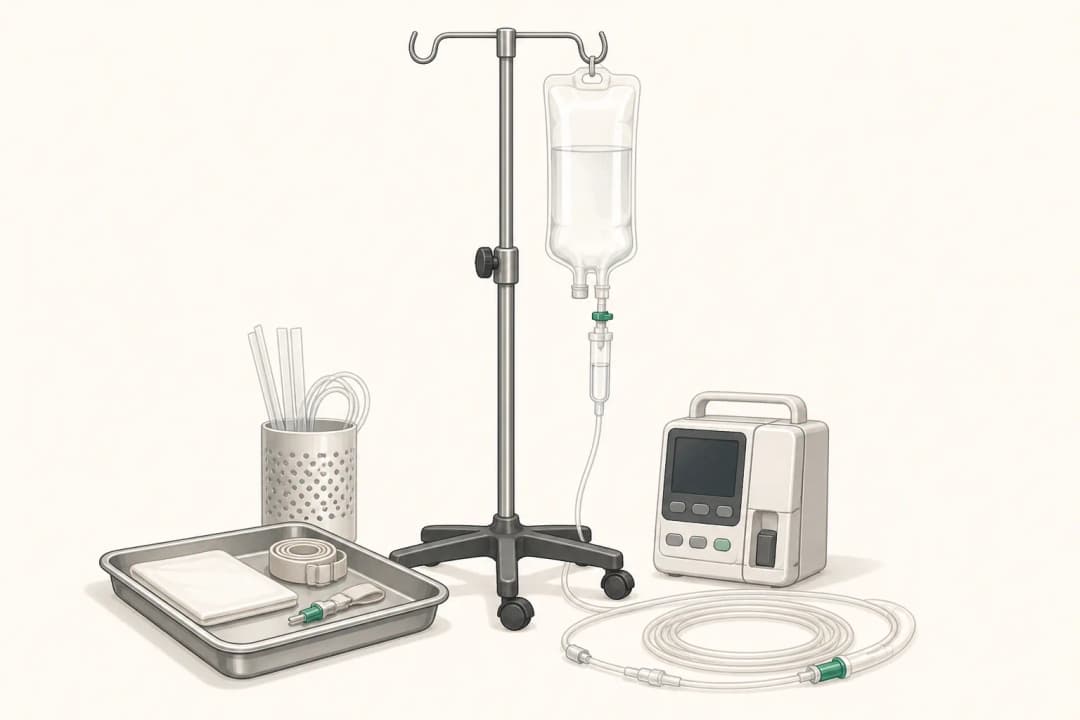
An IV vitamin drip is a clinician-supervised infusion that delivers selected vitamins and fluid through a vein after assessment.
The contents and amount should be tailored to a clinical reason, your medical history, and any relevant test results. An infusion is not a substitute for identifying why a nutrient level is low, reviewing diet and medicines, or treating a condition that affects absorption.
How fast will I feel a difference?
Some people notice changes in how they feel during or after an infusion, while others do not. A change in symptoms cannot confirm a deficiency or show that it has been corrected. If fatigue or another symptom persists, the clinician may look for other causes and decide whether follow-up testing is useful.
What are the side effects?
The needle can cause a brief sting, and bruising or tenderness may remain afterward. Nausea, flushing, headache, or a metallic taste can occur with some preparations. Tell staff immediately about pain, swelling, rash, wheezing, chest discomfort, dizziness, or feeling unwell so the infusion can be assessed.
How long will I be on it?
The appointment length depends on the prescribed preparation and how you tolerate it. Whether you need another infusion depends on the reason for treatment, the vitamin involved, your dietary intake, absorption, and follow-up assessment. Repeated drips should have a clear clinical plan rather than being automatic.
Key facts to discuss first
Bring a list of supplements and medicines, including products bought without a prescription. Vitamins can interact with treatment plans or be unsuitable in certain health conditions. Share allergies, pregnancy, kidney or liver disease, previous reactions to infusions, and any symptoms that led you to seek care.
Who may be considered for treatment
A clinician may consider an infusion when a confirmed nutrient deficiency needs treatment and oral treatment is unsuitable or cannot be used effectively. Vitamin B12 deficiency and vitamin D deficiency require different evaluation and treatment plans. Fatigue has many possible causes, so it needs assessment rather than being assumed to reflect a vitamin shortage.
What happens at the appointment
The clinician reviews the treatment plan, asks about new symptoms, and checks that proceeding is appropriate. A small cannula is placed into a vein, often in the hand or arm, and the infusion is connected. Staff observe the injection site and how you feel, then remove the cannula and cover the site when treatment is finished.
After your appointment
You can usually return to routine activity if you feel well, unless your clinician gives different instructions. Keep pressure on a small bleed at the cannula site and watch for increasing redness, warmth, swelling, or pain. Arrange review if symptoms that prompted treatment continue or worsen.
Risks and precautions
Any intravenous treatment can cause bruising, irritation of a vein, fluid leakage into surrounding tissue, or infection. Ingredients may also cause an unwanted reaction or be inappropriate for a particular condition. Monitoring during the appointment and clear information about the formulation support safer decisions.
Alternatives to an infusion
For many identified deficiencies, oral supplements, dietary changes, or a targeted injection may be appropriate. Vitamin B12 injection and vitamin D supplementation address specific needs in different ways. The suitable option depends on the deficiency, symptoms, absorption, and the clinician's assessment.
Choosing a provider
Choose a regulated healthcare setting where a qualified clinician can assess whether treatment is appropriate, explain the ingredients, and respond to a reaction. Ask what the infusion contains, why each ingredient is included, what follow-up is planned, and which symptoms should prompt urgent help.
Questions people ask
Can an IV vitamin drip diagnose the cause of fatigue?
No. Fatigue can have many causes, and a clinician may use your history, examination, and relevant tests to guide assessment.
Do I still need to eat a balanced diet?
Yes. An infusion does not replace regular food intake or a plan to address a dietary or absorption issue.
When should I get help after an infusion?
Seek medical advice for increasing pain, redness, warmth, swelling, or discharge at the cannula site, or for symptoms such as rash, wheezing, chest discomfort, or feeling faint.
Related
Related reading
Keep reading
Medical disclaimer. This page is general health information, not medical advice, and it cannot diagnose you. Always consult a licensed healthcare provider about your own symptoms and treatment. In an emergency in the UAE, call 998 for an ambulance.