
Difficulty Passing Urine
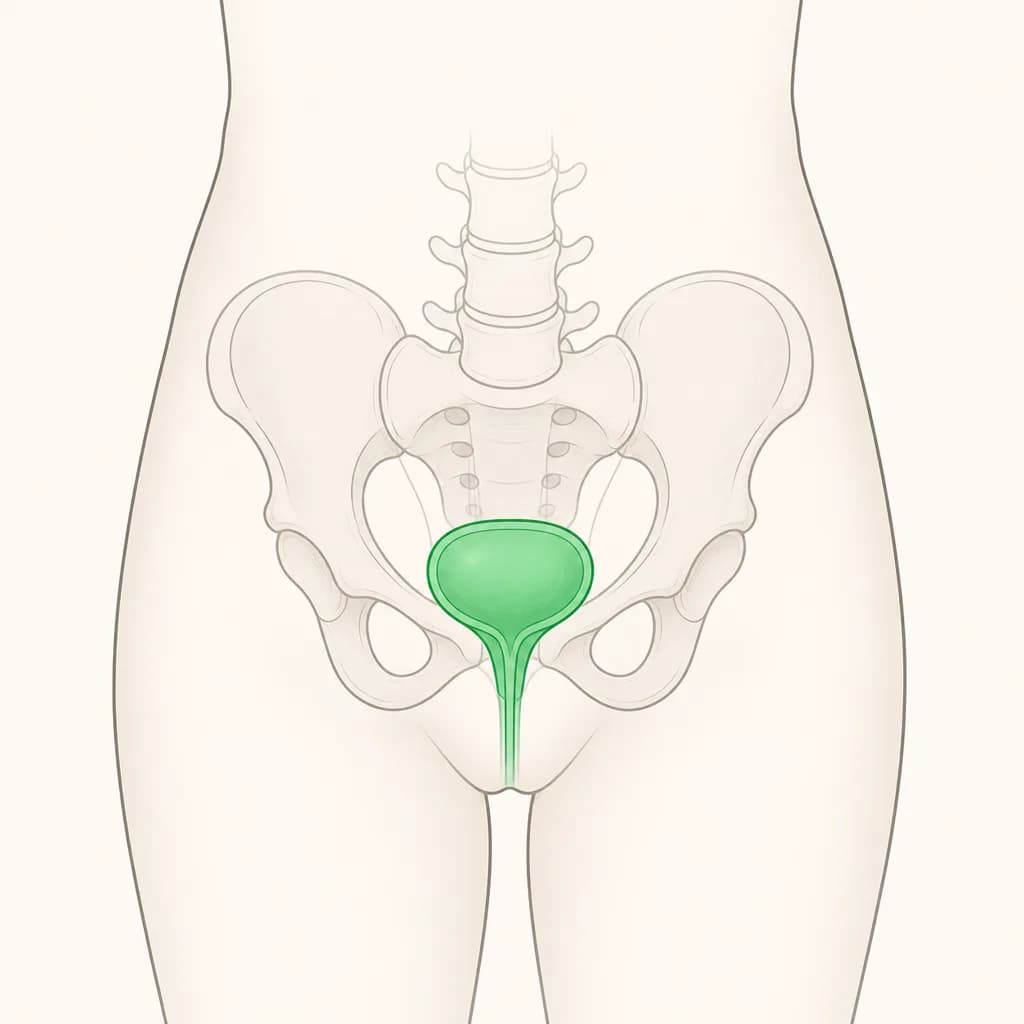
At a glance
- Also called
- Urinary hesitancy or poor stream
- Emergency sign
- Being unable to pass urine with lower abdominal pain or swelling
- Common checks
- Urine test, examination, and bladder-emptying assessment when needed
What it may feel like
Difficulty passing urine may involve waiting to start, straining, a weak or interrupted stream, or feeling that the bladder has not emptied.
Some people pass only small amounts, need to return to the toilet soon after, or notice dribbling after finishing. Pain, burning, fever, lower abdominal discomfort, blood in the urine, or pain in the side are important accompanying symptoms to mention.
When urgent care is needed
Get urgent medical help if you cannot pass urine at all, especially with a painful or swollen lower abdomen. Seek prompt assessment for fever or chills with urinary symptoms, visible blood in urine, severe side or back pain, vomiting, confusion, or new weakness or numbness around the genitals or buttocks.
Possible causes
An enlarged prostate, inflammation or infection, stones, narrowing of the urine passage, nerve problems, constipation, and some medicines can obstruct or disrupt bladder emptying. Bladder and prostate cancers can also present with urinary changes. The conditions below are listed alphabetically and do not indicate how likely any one cause is.
How the cause is checked
A clinician will ask about the flow pattern, fluid intake, pain, sexual history where relevant, medicines, and previous urinary problems. Assessment may include an abdominal examination, urine testing, blood tests, a prostate examination when appropriate, and a scan to see whether urine remains in the bladder after passing it. Further imaging or specialist tests may be arranged depending on the findings.
Treatment by cause
Relief depends on what is interfering with flow. A complete blockage may need immediate drainage with a catheter. An infection may need targeted treatment after urine testing, while stones, prostate enlargement, inflammation, or a narrowing may need medicines, procedures, or specialist care. Treatment for cancer is planned by the specialist team and reflects the specific diagnosis.
Reducing avoidable strain
Do not repeatedly hold urine for long periods when you can avoid it. Drink regularly through the day unless you have been given a fluid restriction, and manage constipation with suitable food, fluids, activity, and medical advice. Review new urinary symptoms rather than self-treating with leftover antibiotics or changing prescribed medicines without guidance.
Related symptoms
Frequency, urgency, night-time urination, burning, pelvic pain, blood in the urine, fever, and back or side pain can narrow down the cause. Write down when these symptoms began and whether they are changing.
Why it should not be ignored
Ongoing poor emptying can be uncomfortable and may lead to recurrent urinary problems or pressure on the urinary system. Timely care is particularly important when symptoms become suddenly worse or interfere with normal urination.
Find care
General Clinics & Polyclinics in Abu Dhabi
Where difficulty passing urine is assessed depends on what is causing it. These are licensed general clinics & polyclinics listed in Abu Dhabi.
27 Ar Ruwwad St - Shakhbout City - MSH4 - Abu Dhabi - United Arab Emirates
Accepts: Daman, Thiqa, Cigna, MetLife +20 more
Al Ruwais, Al Dhafrah
Accepts: Daman, Thiqa, AXA, Cigna +16 more
Al Bahyah - Al Bahyah Old - Abu Dhabi - United Arab Emirates
Accepts: Daman, Thiqa, Cigna, Allianz Care +18 more
Abu Dhabi
Accepts: Daman, Thiqa, AXA, Cigna +27 more
Ordered by verification status and how complete each clinic's public record is, then alphabetically. This is a directory listing, not a ranking — Zavis does not rate or recommend providers.
A factual listing drawn from the DHA, DOH and MOHAP licence registers. It is not a referral, an endorsement, or advice that any of these providers is right for you.
Questions people ask
Can medicines make it hard to pass urine?
Some medicines can affect bladder contraction or tighten the urine outlet. Bring every prescription, over-the-counter medicine, and supplement to the appointment.
Is blood in urine an urgent symptom?
Visible blood in urine needs prompt medical assessment, particularly when it occurs with pain, fever, clots, or difficulty passing urine.
Related
Related reading
Keep reading
Medical disclaimer. This page is general health information, not medical advice, and it cannot diagnose you. Always consult a licensed healthcare provider about your own symptoms and treatment. In an emergency in the UAE, call 998 for an ambulance.