
Back Muscle Spasm vs Lower Back Pain
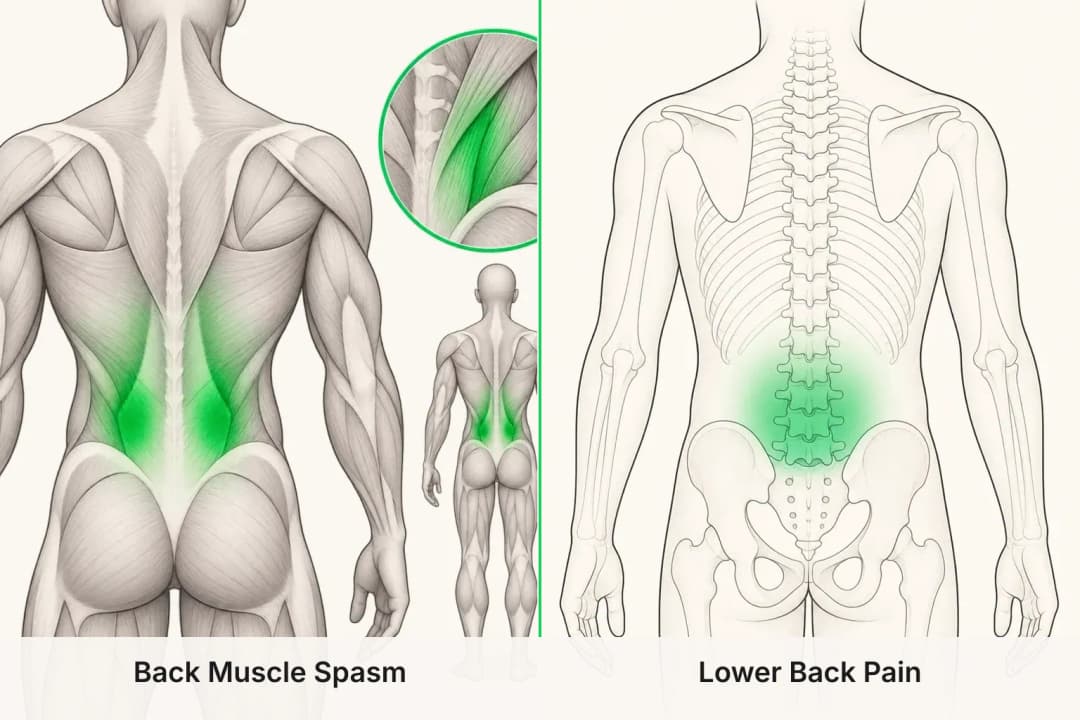
At a glance
- Spasm
- Involuntary tightening that can restrict movement
- Lower back pain
- A broad symptom that may occur with or without spasm
- Urgent sign
- New bladder or bowel changes with leg weakness or saddle numbness
Find care
General Clinics & Polyclinics in Abu Dhabi
Licensed general clinics & polyclinics listed in Abu Dhabi. Appearing here means a provider holds a UAE licence in this category — not that it offers back muscle spasm vs lower back pain, which is worth confirming with the clinic before you book.
27 Ar Ruwwad St - Shakhbout City - MSH4 - Abu Dhabi - United Arab Emirates
Accepts: Daman, Thiqa, Cigna, MetLife +20 more
Al Ruwais, Al Dhafrah
Accepts: Daman, Thiqa, AXA, Cigna +16 more
Al Bahyah - Al Bahyah Old - Abu Dhabi - United Arab Emirates
Accepts: Daman, Thiqa, Cigna, Allianz Care +18 more
Abu Dhabi
Accepts: Daman, Thiqa, AXA, Cigna +27 more
The New EMI State Tower - 3rd Floor 303 Kan’ad Street - Hamdan Bin Mohammed St - Al Danah - Zone 1 - Abu Dhabi - United Arab Emirates
Accepts: Daman, Thiqa, Cigna, MetLife +22 more
Taj Resorts RV-1, Al Nasser Properties - Mafraq-2 - Mafraq Industrial Area - Abu Dhabi - United Arab Emirates
Accepts: Daman, Thiqa, AXA, Cigna +14 more
Ordered by verification status and how complete each clinic's public record is, then alphabetically. This is a directory listing, not a ranking — Zavis does not rate or recommend providers.
A factual listing drawn from the DHA, DOH and MOHAP licence registers. It is not a referral, an endorsement, or advice that any of these providers is right for you.
Spasm and pain are related but different
Back muscle spasm is an involuntary tightening that can cause lower back pain, while lower back pain is a broader symptom with many possible patterns and causes. A spasm may feel like a sudden knot, cramp, or hard band and can restrict movement. Pain may be aching, burning, sharp, or spreading without a visible or felt tightening.
When the spasm pattern is prominent
Think of spasm as the leading feature when the back suddenly tightens after lifting, an awkward movement, prolonged posture, or exertion. Gentle movement within comfort, changing position, and avoiding forceful stretching during a cramp may help. If the tightening keeps recurring, prevents normal walking, or is paired with weakness or altered sensation, arrange a clinical assessment.
When pain is the broader complaint
Lower back pain is the more useful description when discomfort persists without a clear cramp, spreads toward the buttock or leg, or changes independently of muscle tightness. Note whether coughing, sitting, bending, or walking affects it, and whether sleep is disturbed. Pain after trauma, pain with fever, or unexplained ongoing pain warrants medical review.
Warning signs need a separate response
Neither a spasm nor a pain label explains every back problem. Seek urgent help for new loss of bladder or bowel control, numbness around the inner thighs, or marked weakness in a leg. Urgent assessment is also appropriate after major trauma or when back pain comes with fever and feeling very unwell. Do not let a presumed spasm delay care for these signs.
When the pattern does not fit either label
Pain that is accompanied by abdominal symptoms, urinary changes, chest symptoms, widespread numbness, or pain in several unrelated areas may need evaluation beyond the muscles and joints. Recurrent night pain or difficulty maintaining normal activity also deserves a proper history and examination. A clinician can distinguish spinal, nerve, joint, muscle, and non-musculoskeletal patterns.
How a clinician sorts the possibilities
Assessment starts with onset, trigger, location, movement limits, and neurological symptoms. The clinician checks walking, leg strength, sensation, reflexes, spinal movement, and areas of tenderness. Many uncomplicated episodes are managed with activity guidance and physiotherapy rather than immediate imaging, while persistent or concerning features may change the plan. Keep track of what eases or aggravates the symptoms.
Questions people ask
Can a muscle spasm cause lower back pain?
Yes. A tightening muscle can produce pain and stiffness, although lower back pain can also arise without a spasm.
Should I rest completely during a back spasm?
Avoid movements that sharply worsen symptoms, but gentle activity within comfort is often more useful than prolonged bed rest.
Related
Related reading
Keep reading
Medical disclaimer. This page is general health information, not medical advice, and it cannot diagnose you. Always consult a licensed healthcare provider about your own symptoms and treatment. In an emergency in the UAE, call 998 for an ambulance.