
Why do uterine fibroids cause heavy periods?
Short answer
Uterine Fibroids can cause heavy periods because they may enlarge the uterine lining area, alter contractions and increase bleeding from nearby vessels.
This answers one question. It is not a diagnosis and does not replace an assessment by a licensed doctor.
At a glance
- Main effects
- More lining tissue, altered contractions and blood flow
- Helpful record
- Flow, clots, duration, pain and tiredness
- Common check
- Blood testing and pelvic ultrasound
What this means
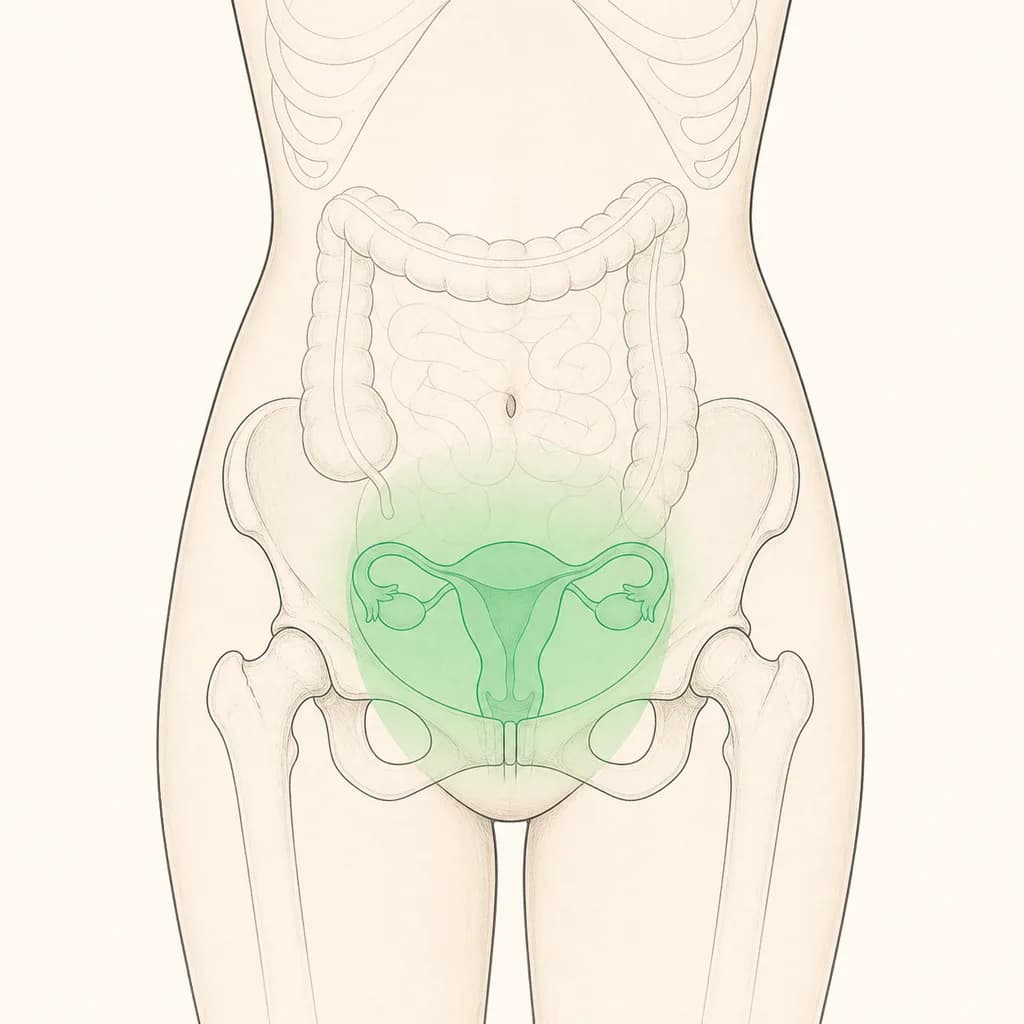
Heavy Periods is a very common presentation of Uterine Fibroids. Fibroids grow in the uterine wall or near the cavity. They can increase the surface area of tissue that sheds during menstruation, make the uterus contract less effectively and change blood vessels around the lining. These effects may lead to heavier flow, longer bleeding or clots.
The amount of bleeding does not always match the number or size of fibroids. Fibroids near the cavity are more likely to affect menstrual flow, while other types may cause pressure or pain instead. Heavy periods can also come from adenomyosis, hormonal changes, bleeding disorders, medicines or pregnancy-related causes.
What to do next
Arrange a gynaecology appointment if heavy bleeding is affecting work, sleep, exercise or daily activities. Record how often you change pads or tampons, bleeding duration, clots, pain and tiredness. A clinician may check for anaemia, examine you and request ultrasound. Treatment can include medicines, monitoring or a procedure, guided by fibroid location, symptoms and pregnancy plans.
When to seek care
Seek urgent help if bleeding causes fainting, severe dizziness, breathlessness, chest discomfort or marked weakness, or if severe pelvic pain or fever occurs. Prompt assessment is also needed for possible pregnancy with heavy bleeding or pain. Even without urgent symptoms, ongoing heavy periods deserve review because blood loss can lead to iron deficiency.
Questions for your doctor
Ask whether your bleeding may be causing anaemia, where the fibroids are located, which medicines are suitable, and how each treatment could affect fertility and future pregnancy.
Find care
General Clinics & Polyclinics in Abu Dhabi
That answer is general. If you want it applied to your own case, these are licensed general clinics & polyclinics listed in Abu Dhabi.
27 Ar Ruwwad St - Shakhbout City - MSH4 - Abu Dhabi - United Arab Emirates
Accepts: Daman, Thiqa, Cigna, MetLife +20 more
Al Ruwais, Al Dhafrah
Accepts: Daman, Thiqa, AXA, Cigna +16 more
Al Bahyah - Al Bahyah Old - Abu Dhabi - United Arab Emirates
Accepts: Daman, Thiqa, Cigna, Allianz Care +18 more
Abu Dhabi
Accepts: Daman, Thiqa, AXA, Cigna +27 more
Ordered by verification status and how complete each clinic's public record is, then alphabetically. This is a directory listing, not a ranking — Zavis does not rate or recommend providers.
A factual listing drawn from the DHA, DOH and MOHAP licence registers. It is not a referral, an endorsement, or advice that any of these providers is right for you.
Questions people ask
Do all fibroids cause heavy periods?
No. Fibroid position matters. Growths near the uterine cavity are more likely to affect menstrual bleeding, while others may cause pressure or no symptoms.
Can heavy periods from fibroids cause anaemia?
Ongoing blood loss can reduce iron stores and lead to anaemia. Ask a clinician about blood testing if you feel unusually tired, weak or short of breath.
Related
Related reading
Keep reading
Medical disclaimer. This page is general health information, not medical advice, and it cannot diagnose you. Always consult a licensed healthcare provider about your own symptoms and treatment. In an emergency in the UAE, call 998 for an ambulance.