
Why does Paget disease of the breast cause nipple discharge?
Short answer
Paget disease of the breast can cause nipple discharge when abnormal cells affect the nipple surface and milk ducts beneath it.
This answers one question. It is not a diagnosis and does not replace an assessment by a licensed doctor.
At a glance
- Where it starts
- The nipple area and ducts behind it
- Details to note
- Colour, one-sided or both-sided, spontaneous or only after squeezing
How the discharge develops
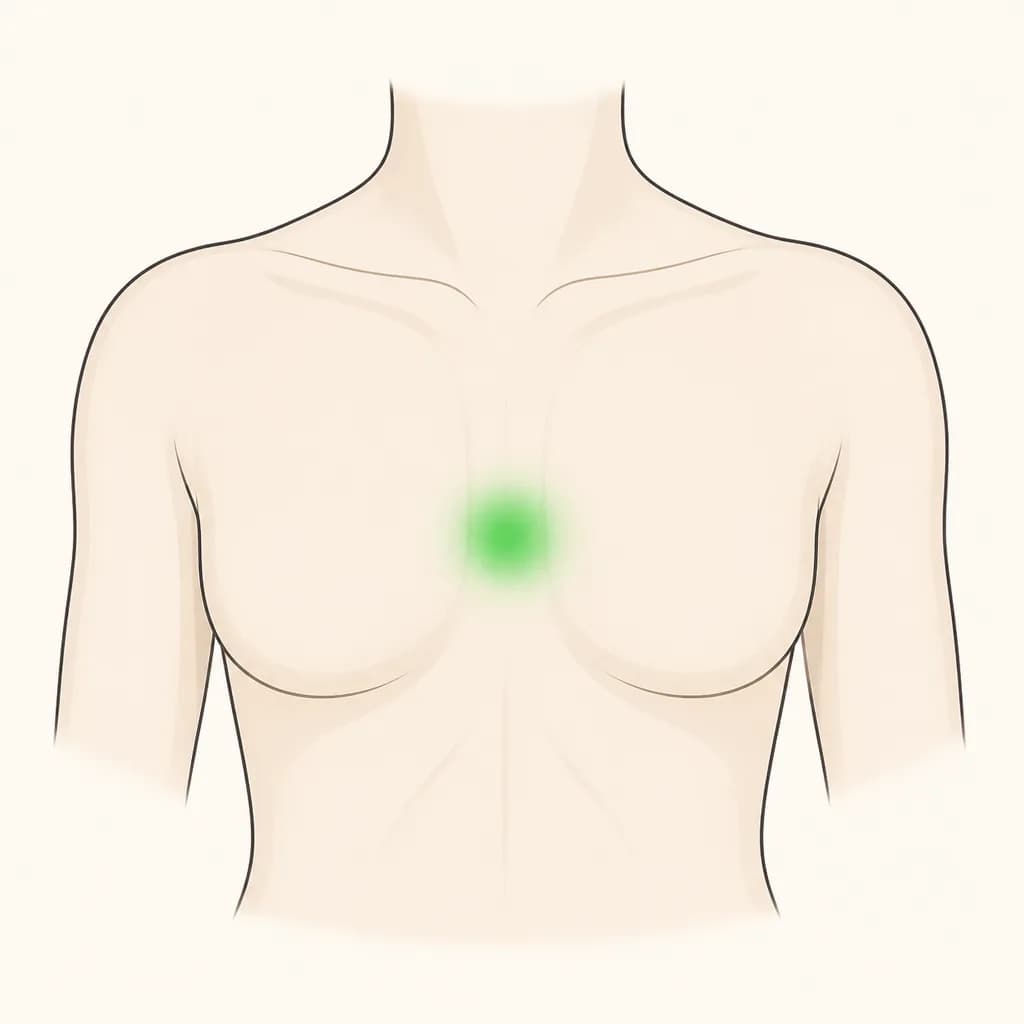
Paget disease begins in the nipple area and may involve the ducts just behind the nipple. Changes to those cells can irritate the nipple, while duct involvement can allow fluid to reach the nipple opening. The discharge may occur with crusting, scaling, redness, itching, burning, a flattened or turned-in nipple, or a lump deeper in the breast.
Nipple Discharge is a common presentation of Paget Disease of the Breast. However, nipple discharge has many possible explanations, including hormonal changes, blocked or widened ducts, medicines, infection, and other breast conditions. Its colour, whether it comes from one or both nipples, whether it appears without squeezing, and whether there are skin changes all help guide assessment.
What to do about nipple discharge
Arrange a medical assessment for new discharge, especially if it comes from one breast, appears without touching the nipple, is bloody or clear, or occurs with a persistent nipple or skin change. Do not repeatedly squeeze the nipple to check for fluid, because stimulation can keep discharge going. Note when it happens, its colour and texture, and any pain, rash, crusting, lump, or change in nipple shape.
A clinician may examine the breast and ask about medicines, pregnancy or breastfeeding, menstrual changes, and family history. Depending on the findings, they may recommend breast imaging or a small tissue sample to identify the cause.
When to seek care
Seek prompt advice if discharge is bloody, occurs without squeezing, or is paired with a new lump, one-sided nipple change, persistent crusting, or skin thickening. Seek urgent care for a rapidly worsening red, hot, painful breast with fever, or if you feel acutely unwell, because infection can need prompt treatment. A discharge change cannot be interpreted safely from appearance alone.
Questions for your doctor
Ask: Could the discharge be coming from the nipple skin, a milk duct, an infection, or a medicine? Do the nipple and areola need a closer examination? What imaging or tissue testing is appropriate for my findings? What changes should I report while I am waiting for assessment?
Find care
General Clinics & Polyclinics in Abu Dhabi
That answer is general. If you want it applied to your own case, these are licensed general clinics & polyclinics listed in Abu Dhabi.
27 Ar Ruwwad St - Shakhbout City - MSH4 - Abu Dhabi - United Arab Emirates
Accepts: Daman, Thiqa, Cigna, MetLife +20 more
Al Ruwais, Al Dhafrah
Accepts: Daman, Thiqa, AXA, Cigna +16 more
Al Bahyah - Al Bahyah Old - Abu Dhabi - United Arab Emirates
Accepts: Daman, Thiqa, Cigna, Allianz Care +18 more
Abu Dhabi
Accepts: Daman, Thiqa, AXA, Cigna +27 more
Ordered by verification status and how complete each clinic's public record is, then alphabetically. This is a directory listing, not a ranking — Zavis does not rate or recommend providers.
A factual listing drawn from the DHA, DOH and MOHAP licence registers. It is not a referral, an endorsement, or advice that any of these providers is right for you.
Questions people ask
Does nipple discharge always indicate Paget disease?
No. Discharge can result from hormonal changes, medicines, infection, or duct conditions as well as Paget disease. A new or unusual change still deserves clinical assessment.
What other changes can occur with Paget disease?
The nipple or areola may become red, scaly, crusted, itchy, sore, flattened, or turned inward. A deeper breast lump may also be present, so an examination is useful.
Related
Related reading
Keep reading
Medical disclaimer. This page is general health information, not medical advice, and it cannot diagnose you. Always consult a licensed healthcare provider about your own symptoms and treatment. In an emergency in the UAE, call 998 for an ambulance.