
Which specialist treats sickle cell disease?
Short answer
A haematologist usually leads ongoing sickle cell disease care, working with a GP and hospital specialists such as pain, kidney, lung, obstetric, or paediatric teams when a particular complication needs attention.
This answers one question. It is not a diagnosis and does not replace an assessment by a licensed doctor.
At a glance
- Lead specialist
- Haematologist
- Everyday partner
- GP and specialist team
- Planning care
- Bring your individual care plan
Why care is coordinated
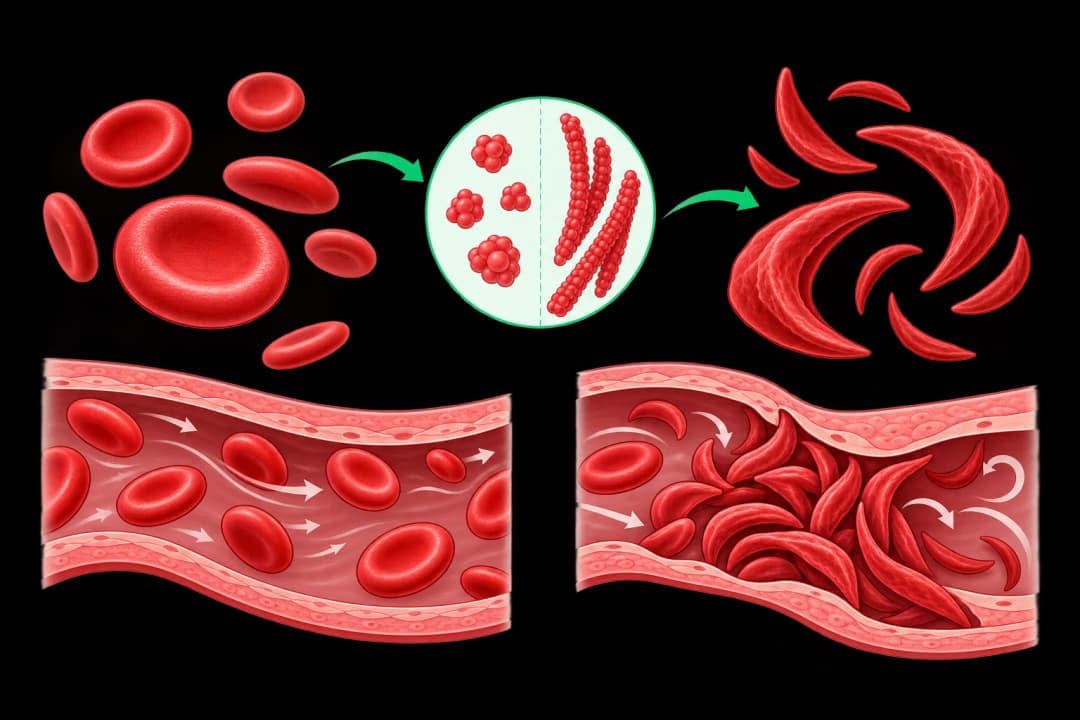
Sickle cell disease is an inherited blood condition in which red blood cells can change shape and affect blood flow. Care is individual: a haematology team monitors health over time, helps plan prevention and treatment, and shares an emergency plan with you. Children are generally cared for by paediatric haematology before moving to adult services.
Symptoms can include fatigue, jaundice, pale skin, joint pain, or blood in the urine, but each symptom can have other causes. New or changing symptoms deserve assessment in the context of your established care plan.
Preparing for an appointment
Keep contact details for your haematology service and bring your treatment plan to urgent visits. Tell clinicians about previous pain episodes, current medicines, transfusion history, allergies, and any recent fever or infection symptoms. Blood tests may be used to monitor the condition and investigate a change in symptoms. If you are planning a family, ask about genetic counselling and premarital screening options.
When to seek urgent assessment
Seek urgent medical care for fever, chest pain, shortness of breath, new weakness on one side, severe headache, a painful erection that does not settle, or severe pain that is not responding to your agreed plan. Urgent advice is also appropriate for blood in the urine, marked jaundice, or a sudden drop in usual energy or alertness.
Questions for your specialist
Ask who to contact during a pain episode, which symptoms need emergency care, what monitoring you need, how other conditions affect your plan, and when family-planning or genetic advice would be helpful.
Find care
General Clinics & Polyclinics in Abu Dhabi
That answer is general. If you want it applied to your own case, these are licensed general clinics & polyclinics listed in Abu Dhabi.
27 Ar Ruwwad St - Shakhbout City - MSH4 - Abu Dhabi - United Arab Emirates
Accepts: Daman, Thiqa, Cigna, MetLife +20 more
Al Ruwais, Al Dhafrah
Accepts: Daman, Thiqa, AXA, Cigna +16 more
Al Bahyah - Al Bahyah Old - Abu Dhabi - United Arab Emirates
Accepts: Daman, Thiqa, Cigna, Allianz Care +18 more
Abu Dhabi
Accepts: Daman, Thiqa, AXA, Cigna +27 more
Ordered by verification status and how complete each clinic's public record is, then alphabetically. This is a directory listing, not a ranking — Zavis does not rate or recommend providers.
A factual listing drawn from the DHA, DOH and MOHAP licence registers. It is not a referral, an endorsement, or advice that any of these providers is right for you.
Questions people ask
Do adults and children see the same specialist?
Children are commonly managed by paediatric haematology, while adults are cared for by an adult haematology service.
Why might I see other specialists?
Other teams may help when sickle cell disease affects a particular organ, pregnancy, pain, or an acute complication.
Related
Related reading
Keep reading
Medical disclaimer. This page is general health information, not medical advice, and it cannot diagnose you. Always consult a licensed healthcare provider about your own symptoms and treatment. In an emergency in the UAE, call 998 for an ambulance.