
Which specialist treats pneumonia?
Short answer
A GP or emergency clinician usually assesses pneumonia first, while hospital doctors or respiratory specialists may manage severe, complicated, or slow-to-improve illness.
This answers one question. It is not a diagnosis and does not replace an assessment by a licensed doctor.
At a glance
- First assessment
- A GP or emergency clinician can assess suspected pneumonia.
- Specialist care
- Respiratory specialists may be involved for complex or persistent illness.
- Emergency signs
- Severe breathlessness, confusion, or coughing up blood require urgent help.
How care is decided
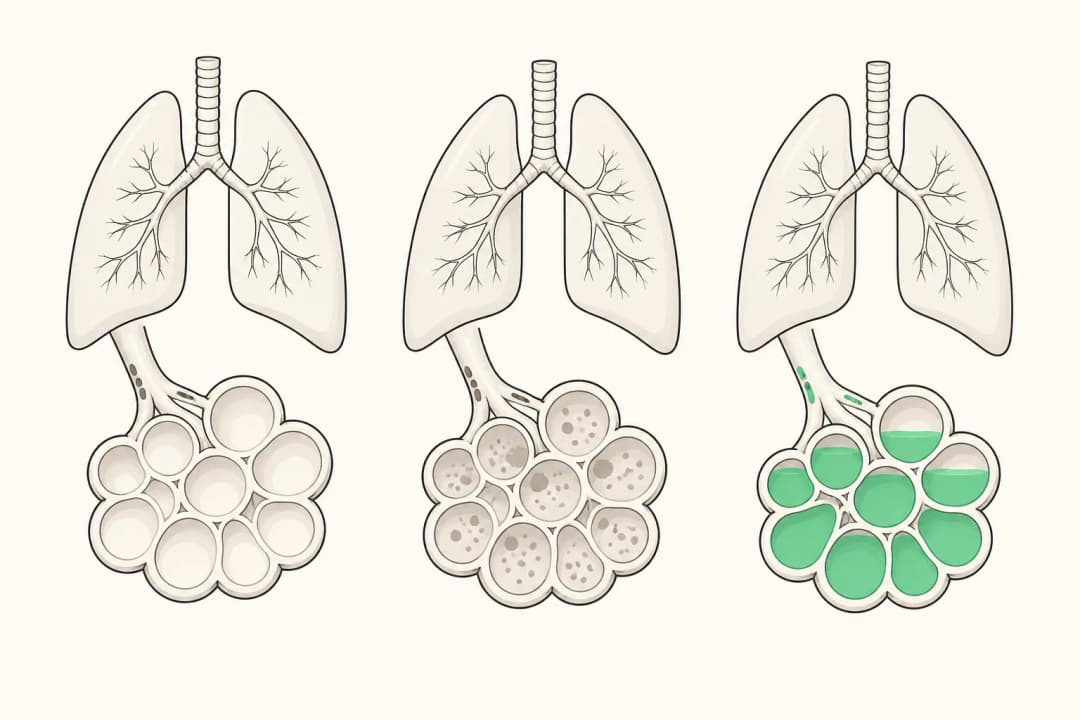
Pneumonia is an infection or inflammation affecting the air sacs in the lungs. Clinicians look at symptoms, breathing effort, oxygen levels, medical history, and examination findings to decide whether care can happen at home or needs hospital support. Cough, chills, chest discomfort, and phlegm can occur with pneumonia, but clinicians also consider other respiratory illnesses such as influenza or COVID-19. A respiratory specialist may help when the diagnosis is uncertain, symptoms are prolonged, or there is underlying lung disease.
What to do now
Contact a GP promptly if you have a new or worsening cough with feverishness, breathlessness, chest discomfort, or feel markedly unwell. Take a list of current medicines, allergies, recent illnesses, and long-term conditions to the visit. Follow the care plan exactly, rest, drink fluids if you can do so safely, and arrange the follow-up advised by your clinician. Do not use leftover antibiotics or share medicines with another person.
When urgent assessment is needed
Get emergency medical help for severe difficulty breathing, blue or grey lips, confusion, fainting, severe chest pain, or coughing up blood. Seek urgent assessment if symptoms worsen quickly, you cannot keep fluids down, or you are becoming unusually drowsy. People who are pregnant, very young, older, or living with serious heart, lung, or immune conditions should not delay contacting a clinician when respiratory symptoms are significant.
Questions for the consultation
Ask what may be causing the lung infection, what monitoring is needed at home, and when you should expect reassessment. Clarify how to take each prescribed medicine, which symptoms signal deterioration, and whether a respiratory specialist or follow-up imaging is appropriate for your situation.
Find care
General Clinics & Polyclinics in Abu Dhabi
That answer is general. If you want it applied to your own case, these are licensed general clinics & polyclinics listed in Abu Dhabi.
27 Ar Ruwwad St - Shakhbout City - MSH4 - Abu Dhabi - United Arab Emirates
Accepts: Daman, Thiqa, Cigna, MetLife +20 more
Al Ruwais, Al Dhafrah
Accepts: Daman, Thiqa, AXA, Cigna +16 more
Al Bahyah - Al Bahyah Old - Abu Dhabi - United Arab Emirates
Accepts: Daman, Thiqa, Cigna, Allianz Care +18 more
Abu Dhabi
Accepts: Daman, Thiqa, AXA, Cigna +27 more
Ordered by verification status and how complete each clinic's public record is, then alphabetically. This is a directory listing, not a ranking — Zavis does not rate or recommend providers.
A factual listing drawn from the DHA, DOH and MOHAP licence registers. It is not a referral, an endorsement, or advice that any of these providers is right for you.
Questions people ask
Can a GP treat pneumonia?
A GP can assess many cases and arrange treatment or referral based on your symptoms, examination, and overall health.
When might hospital care be needed?
Hospital assessment may be needed when breathing is severely affected, symptoms are worsening, supportive care is required, or close monitoring is necessary.
Keep reading
Medical disclaimer. This page is general health information, not medical advice, and it cannot diagnose you. Always consult a licensed healthcare provider about your own symptoms and treatment. In an emergency in the UAE, call 998 for an ambulance.