
Which specialist treats pet allergy?
Short answer
A GP can assess suspected pet allergy and may refer you to an allergist when symptoms are persistent, unclear, or need formal testing.
This answers one question. It is not a diagnosis and does not replace an assessment by a licensed doctor.
At a glance
- First contact
- A GP can assess symptoms and arrange referral when needed.
- Specialist
- An allergist can help confirm triggers and plan longer-term management.
- Preparation
- A symptom and exposure record can make the consultation more useful.
Why an assessment helps
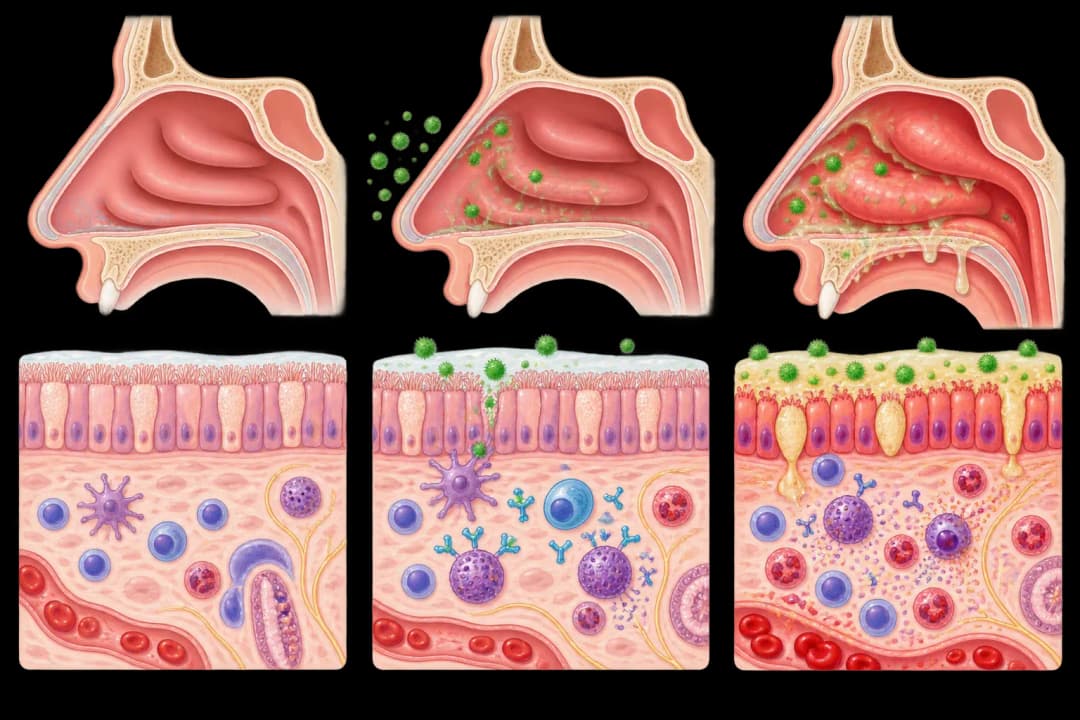
Pet allergy is usually a reaction to proteins from an animal's skin flakes, saliva, or urine rather than to fur itself. It can cause sneezing, a runny nose, itchy eyes, skin symptoms, or breathing symptoms after exposure. A clinician will consider the timing of symptoms, the animals and settings involved, other allergies, asthma, and medicines you already use. An allergist is particularly useful when identifying the trigger would change how you manage home, work, or school exposure.
Preparing for your appointment
Keep a simple note of symptoms, where you were, which animal was present, and how quickly symptoms settled after leaving. Bring a list of medicines and any history of wheeze or eczema. Your clinician may discuss practical exposure reduction, allergy testing, or allergy medication; do not stop prescribed breathing treatment without advice. Testing is interpreted alongside your history, because a positive result alone does not prove that a pet is causing every symptom.
When to get urgent help
Seek urgent medical care for trouble breathing, rapidly worsening wheeze, swelling of the lips, tongue, or throat, faintness, or widespread hives after animal exposure. Arrange a routine appointment if nasal or eye symptoms recur, disturb sleep, affect daily activities, or are difficult to control. New chest tightness or breathlessness deserves prompt assessment, especially in someone with asthma.
Useful questions to ask
Ask whether your pattern fits pet allergy or another trigger, whether testing would be useful, and which steps are realistic in your household. You can also ask how to use a nasal spray or antihistamine correctly, whether asthma assessment is needed, and what symptoms should prompt urgent review.
Find care
General Clinics & Polyclinics in Abu Dhabi
That answer is general. If you want it applied to your own case, these are licensed general clinics & polyclinics listed in Abu Dhabi.
27 Ar Ruwwad St - Shakhbout City - MSH4 - Abu Dhabi - United Arab Emirates
Accepts: Daman, Thiqa, Cigna, MetLife +20 more
Al Ruwais, Al Dhafrah
Accepts: Daman, Thiqa, AXA, Cigna +16 more
Al Bahyah - Al Bahyah Old - Abu Dhabi - United Arab Emirates
Accepts: Daman, Thiqa, Cigna, Allianz Care +18 more
Abu Dhabi
Accepts: Daman, Thiqa, AXA, Cigna +27 more
Ordered by verification status and how complete each clinic's public record is, then alphabetically. This is a directory listing, not a ranking — Zavis does not rate or recommend providers.
A factual listing drawn from the DHA, DOH and MOHAP licence registers. It is not a referral, an endorsement, or advice that any of these providers is right for you.
Questions people ask
Do I need to see an allergist straight away?
Not always. A GP can start the assessment and refer you if symptoms persist, the trigger is uncertain, breathing symptoms are present, or testing would guide treatment.
Can a test alone diagnose pet allergy?
No. Test results need to be considered with your symptoms and the circumstances in which they occur.
Related
Related reading
Keep reading
Medical disclaimer. This page is general health information, not medical advice, and it cannot diagnose you. Always consult a licensed healthcare provider about your own symptoms and treatment. In an emergency in the UAE, call 998 for an ambulance.