
Which specialist treats genitourinary syndrome of menopause?
Short answer
A gynaecologist or menopause specialist can assess and treat genitourinary syndrome of menopause.
This answers one question. It is not a diagnosis and does not replace an assessment by a licensed doctor.
At a glance
- Main specialists
- Gynaecologist or menopause clinician
- Areas assessed
- Vaginal, vulval, urinary and sexual symptoms
What the appointment covers
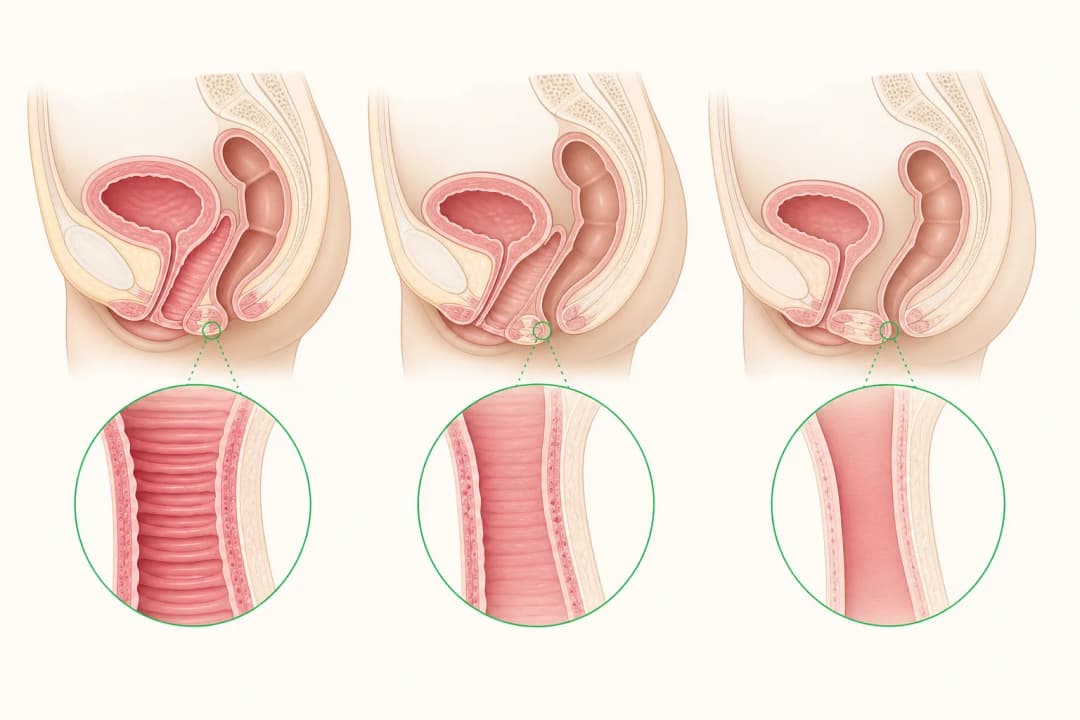
Genitourinary syndrome of menopause can affect the vulva, vagina, bladder and sexual comfort. A clinician will ask about dryness, itching, urinary changes, low desire and pain during sex. They may offer an examination or tests when infection, skin conditions or another cause needs checking.
Treatment is matched to your symptoms and medical history. It may include moisturising care, lubricants, pelvic health support or local vaginal oestrogen. Explore [Vaginal Oestrogen Therapy](/treatments/menopause-and-hormone-therapy/vaginal-oestrogen-therapy/) and the condition overview for [Genitourinary Syndrome of Menopause](/conditions/genitourinary-syndrome-of-menopause/).
Preparing for care
Book with a gynaecologist, menopause clinic or primary-care clinician who can coordinate referral. Write down when symptoms began, whether they are linked with sex or urination, products that irritate the area and any medicines or hormone treatment you use. Tell the clinician if you have had bleeding after sex or after menopause.
You can request an explanation of each examination and discuss privacy, comfort and treatment alternatives. Symptoms can be treated even when they are affecting intimacy, sleep or exercise.
When to be seen promptly
Seek review for new vaginal bleeding after menopause, repeated bleeding after sex, blood in urine, persistent pain, unusual discharge, sores or symptoms that do not settle. Urgent assessment is needed for severe pelvic pain, fever, faintness or heavy bleeding; these signs should not be assumed to be caused by menopause.
Questions to bring
Ask whether your symptoms fit genitourinary syndrome of menopause, whether an examination or infection test is needed, and which treatment is suitable with your health history. Ask how to use local treatment and when improvement should be reviewed.
Find care
General Clinics & Polyclinics in Abu Dhabi
That answer is general. If you want it applied to your own case, these are licensed general clinics & polyclinics listed in Abu Dhabi.
27 Ar Ruwwad St - Shakhbout City - MSH4 - Abu Dhabi - United Arab Emirates
Accepts: Daman, Thiqa, Cigna, MetLife +20 more
Al Ruwais, Al Dhafrah
Accepts: Daman, Thiqa, AXA, Cigna +16 more
Al Bahyah - Al Bahyah Old - Abu Dhabi - United Arab Emirates
Accepts: Daman, Thiqa, Cigna, Allianz Care +18 more
Abu Dhabi
Accepts: Daman, Thiqa, AXA, Cigna +27 more
Ordered by verification status and how complete each clinic's public record is, then alphabetically. This is a directory listing, not a ranking — Zavis does not rate or recommend providers.
A factual listing drawn from the DHA, DOH and MOHAP licence registers. It is not a referral, an endorsement, or advice that any of these providers is right for you.
Questions people ask
Can a primary-care doctor help with this condition?
Yes. They can assess common symptoms, start suitable care and refer you to a gynaecologist or menopause service when the diagnosis is uncertain or symptoms persist.
Is bleeding after menopause part of normal dryness?
Bleeding after menopause needs medical assessment, even when dryness is also present, because other causes must be checked.
Related
Related reading
Keep reading
Medical disclaimer. This page is general health information, not medical advice, and it cannot diagnose you. Always consult a licensed healthcare provider about your own symptoms and treatment. In an emergency in the UAE, call 998 for an ambulance.