
When to worry about irregular periods with hyperprolactinaemia
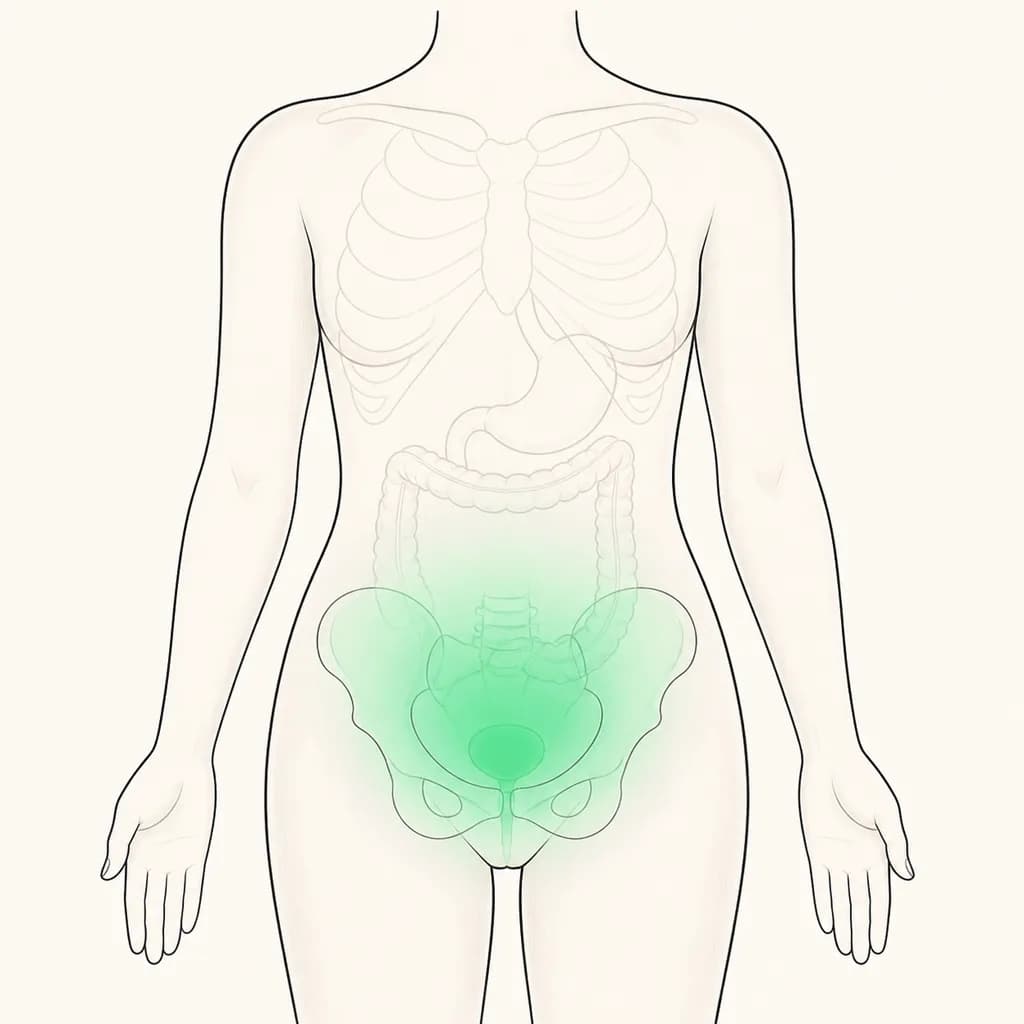
Short answer
Irregular periods are a common presentation of hyperprolactinaemia, but new, persistent, or worsening changes should be assessed by a clinician.
This answers one question. It is not a diagnosis and does not replace an assessment by a licensed doctor.
At a glance
- Common presentation
- Hyperprolactinaemia can cause irregular, infrequent, or absent periods by disrupting ovulation.
- Routine assessment
- Arrange review for persistent cycle changes or associated breast, headache, or vision symptoms.
- Urgent warning signs
- Severe headache, visual change, fainting, severe pelvic pain, or unusually heavy bleeding needs urgent help.
When should you worry about irregular periods?
Arrange a routine appointment if your periods become widely spaced, stop, or change repeatedly, especially if you also notice milk-like breast discharge, reduced sexual desire, vaginal dryness, headaches, or changes in vision. These symptoms can help a clinician decide whether prolactin remains elevated and whether another cause needs checking.
What hyperprolactinaemia can do to the menstrual cycle
Prolactin is a hormone made by the pituitary gland. When its level is high, it can interfere with the hormone signals that support ovulation. As a result, bleeding may arrive unpredictably, occur less often, or stop for a time. Irregular periods are therefore a recognised way hyperprolactinaemia can present; the symptom alone does not establish the cause.
Raised prolactin may be related to medicines, pregnancy or breastfeeding, thyroid problems, pituitary conditions, or other health factors. A clinician may review your history, medicines, pregnancy possibility, symptoms, and blood-test results before deciding what to do next.
What to do next
Track bleeding dates, flow changes, missed periods, breast discharge, headaches, and visual symptoms before your appointment. Bring a list of prescribed medicines, supplements, and recent changes. Do not stop a prescribed medicine on your own, even if you suspect it is affecting prolactin.
If pregnancy is possible, take a pregnancy test and tell the clinician. Depending on your symptoms, assessment may include repeat hormone testing, thyroid testing, a pregnancy test, or further pituitary evaluation. Treatment depends on the reason for the raised prolactin and your reproductive goals.
When to seek urgent care
Seek urgent medical help for sudden or severe headache, new blurred or missing vision, fainting, severe pelvic pain, or bleeding that is unusually heavy for you or makes you feel weak or short of breath. If pregnancy is possible, pelvic pain or bleeding also needs prompt assessment because it can signal a pregnancy complication.
Contact a clinician promptly if periods stop and you develop persistent headaches or any visual change. A routine appointment is still appropriate for ongoing cycle changes without these warning signs, but do not delay assessment indefinitely.
Questions for your doctor
Ask what may be raising your prolactin, whether any medicine or thyroid problem could contribute, and which tests are appropriate. You can also ask how to protect bone and reproductive health if periods remain absent, whether treatment is needed, and which headache or vision symptoms should trigger urgent help.
Find care
General Clinics & Polyclinics in Abu Dhabi
That answer is general. If you want it applied to your own case, these are licensed general clinics & polyclinics listed in Abu Dhabi.
27 Ar Ruwwad St - Shakhbout City - MSH4 - Abu Dhabi - United Arab Emirates
Accepts: Daman, Thiqa, Cigna, MetLife +20 more
Al Ruwais, Al Dhafrah
Accepts: Daman, Thiqa, AXA, Cigna +16 more
Al Bahyah - Al Bahyah Old - Abu Dhabi - United Arab Emirates
Accepts: Daman, Thiqa, Cigna, Allianz Care +18 more
Abu Dhabi
Accepts: Daman, Thiqa, AXA, Cigna +27 more
Ordered by verification status and how complete each clinic's public record is, then alphabetically. This is a directory listing, not a ranking — Zavis does not rate or recommend providers.
A factual listing drawn from the DHA, DOH and MOHAP licence registers. It is not a referral, an endorsement, or advice that any of these providers is right for you.
Questions people ask
Are irregular periods enough to diagnose hyperprolactinaemia?
No. Irregular periods have several possible causes. A clinician uses your symptoms, medical history, medicines, pregnancy possibility, and appropriate testing to assess the reason.
Can hyperprolactinaemia stop periods completely?
Yes, raised prolactin can interfere with ovulation and may make periods very infrequent or absent. Periods that stop should be assessed, particularly when other symptoms are present.
What symptoms make irregular periods more urgent?
Sudden severe headache, new visual symptoms, fainting, severe pelvic pain, or unusually heavy bleeding warrants urgent medical attention.
Related
Related reading
Keep reading
Medical disclaimer. This page is general health information, not medical advice, and it cannot diagnose you. Always consult a licensed healthcare provider about your own symptoms and treatment. In an emergency in the UAE, call 998 for an ambulance.