
When to Worry About Foot Pain With Plantar Fasciitis
Short answer
Foot Pain is a very common presentation of Plantar Fasciitis, but severe, persistent, or changing pain.
This answers one question. It is not a diagnosis and does not replace an assessment by a licensed doctor.
At a glance
- Common pattern
- Plantar Fasciitis can cause activity-related foot discomfort.
- Practical step
- Use comfortable footwear and avoid clear pain triggers.
- Prompt review
- Seek help for severe change, numbness, weakness, or inability to bear weight.
What the pattern can mean
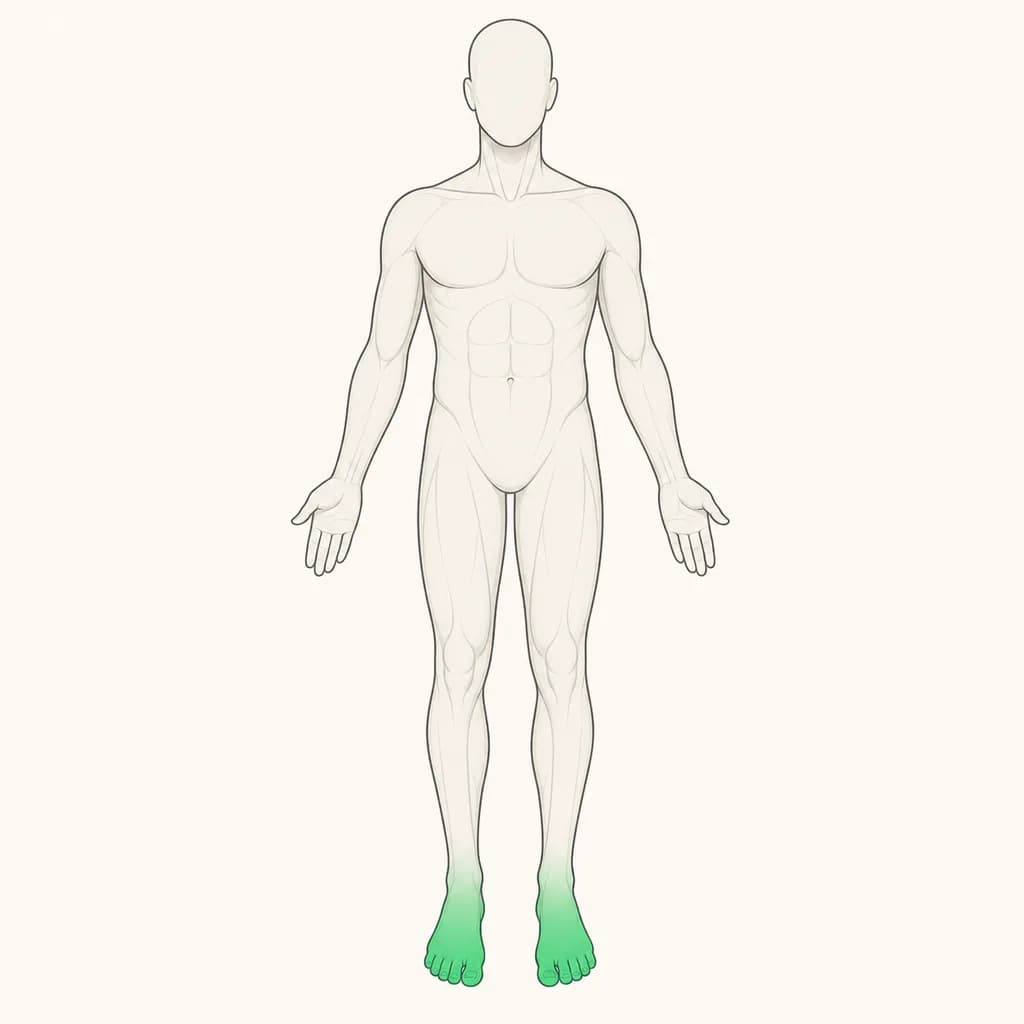
Plantar Fasciitis affects tissue supporting the sole. Pain is often near the heel or arch and may be most noticeable with first steps after sleep or rest. It can ease as you move, then return after prolonged standing or walking. Pain that begins suddenly during injury, occurs with fever or marked swelling, or includes numbness may point to another problem and should be assessed.
What you can do now
Reduce sudden increases in walking, running, or jumping and choose supportive shoes. Gentle calf and sole stretches may help if comfortable; stop if they sharply increase symptoms. Avoid repeatedly testing the painful area with long walks. Record when pain is worst and whether it is improving. Arrange routine review when symptoms affect normal activities, keep returning, or do not improve with activity and footwear changes.
When to seek care promptly
Seek prompt medical advice for severe pain, rapid swelling, redness or warmth, fever, new numbness, or pain after a fall or twist. Get urgent help if you cannot bear weight, the foot looks deformed, or becomes cold or pale. Get urgent help if you cannot bear weight, the foot looks misshapen, or becomes unusually cold or pale. People with diabetes, reduced sensation, or circulation problems should seek advice early for a new foot wound or persistent pain.
Questions for your doctor
Does my pain fit plantar fascia irritation, or should another cause be checked? Which stretches and footwear suit my activity level? What should I do if first-step pain persists or changes location?
Find care
General Clinics & Polyclinics in Abu Dhabi
That answer is general. If you want it applied to your own case, these are licensed general clinics & polyclinics listed in Abu Dhabi.
27 Ar Ruwwad St - Shakhbout City - MSH4 - Abu Dhabi - United Arab Emirates
Accepts: Daman, Thiqa, Cigna, MetLife +20 more
Al Ruwais, Al Dhafrah
Accepts: Daman, Thiqa, AXA, Cigna +16 more
Al Bahyah - Al Bahyah Old - Abu Dhabi - United Arab Emirates
Accepts: Daman, Thiqa, Cigna, Allianz Care +18 more
Abu Dhabi
Accepts: Daman, Thiqa, AXA, Cigna +27 more
Ordered by verification status and how complete each clinic's public record is, then alphabetically. This is a directory listing, not a ranking — Zavis does not rate or recommend providers.
A factual listing drawn from the DHA, DOH and MOHAP licence registers. It is not a referral, an endorsement, or advice that any of these providers is right for you.
Questions people ask
Is first-step pain enough to confirm the diagnosis?
No. It is a recognised pattern, but examination helps check other causes of heel and sole pain.
Should I stretch through sharp pain?
No. Keep movements gentle and stop an exercise that sharply increases symptoms.
Related
Related reading
Keep reading
Medical disclaimer. This page is general health information, not medical advice, and it cannot diagnose you. Always consult a licensed healthcare provider about your own symptoms and treatment. In an emergency in the UAE, call 998 for an ambulance.