
When to Worry About Foot Pain With Hallux Rigidus
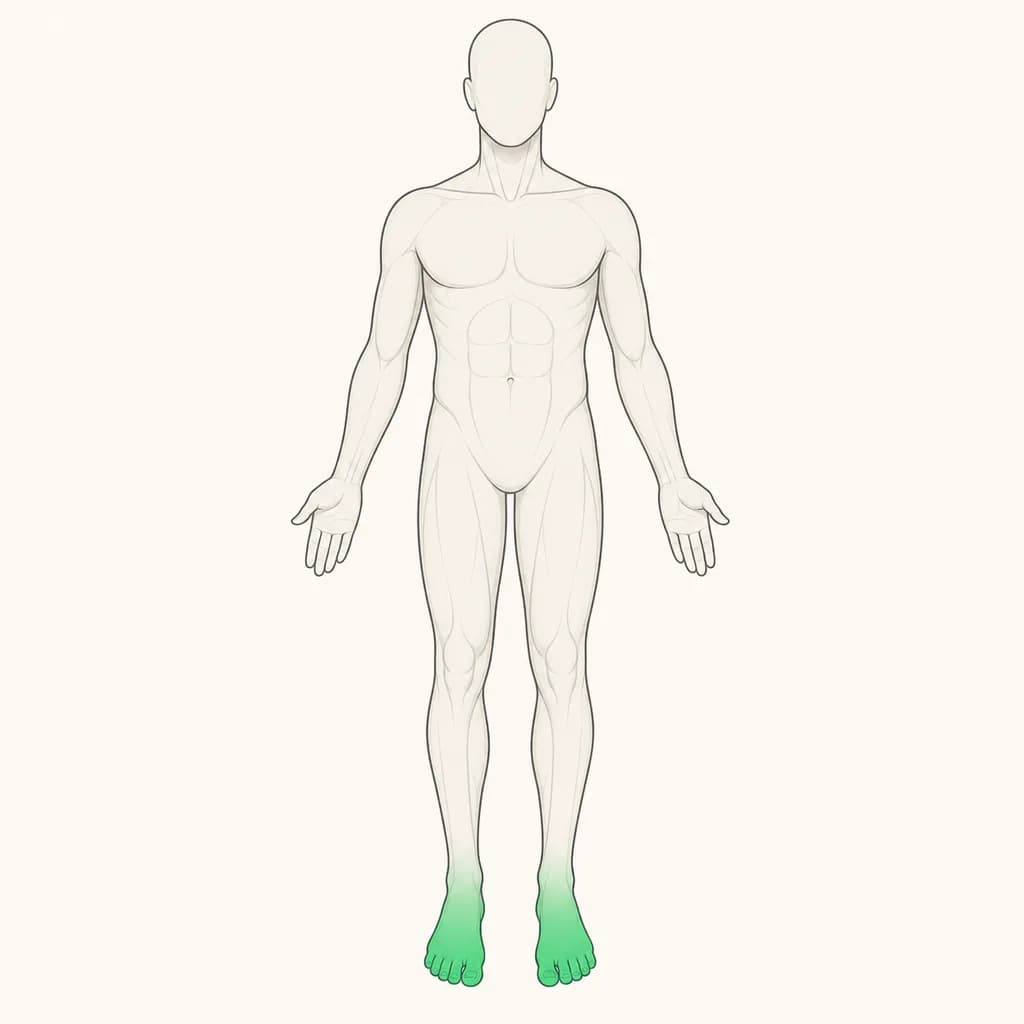
Short answer
Foot Pain is a common presentation of Hallux Rigidus, but increasing joint swelling, loss of movement, or difficulty bearing weight.
This answers one question. It is not a diagnosis and does not replace an assessment by a licensed doctor.
At a glance
- Common pattern
- Hallux Rigidus can cause activity-related foot discomfort.
- Practical step
- Use comfortable footwear and avoid clear pain triggers.
- Prompt review
- Seek help for severe change, numbness, weakness, or inability to bear weight.
What the pattern can mean
Hallux Rigidus affects the joint at the base of the big toe. Pain may occur during push-off, climbing stairs, or wearing shoes that press on the joint. Stiffness can make the toe harder to bend, while a bump or tenderness on top may rub against footwear. A sudden flare can follow extra walking or a minor knock. The pattern and examination help distinguish joint irritation from an injury or another cause of Foot Pain.
What you can do now
Choose shoes with a wide toe box and a sole that does not force the big toe to bend sharply. Temporarily reduce running, jumping, or long walks if these reproduce pain. Cold through a cloth may ease soreness for some people. Do not forcefully stretch a painful toe. Book a routine assessment when pain affects daily tasks or remains after changing activity and shoes.
When to seek care promptly
Seek prompt medical advice for sudden severe pain, rapid swelling, pronounced redness or warmth, or pain after an injury. Seek urgent help if you cannot walk safely, the toe appears displaced, or it becomes numb, cold, or pale. Get urgent help if you cannot bear weight, the foot looks misshapen, or becomes unusually cold or pale. People with diabetes, reduced sensation, or circulation problems should seek advice early for a new foot wound or persistent pain.
Questions for your doctor
How much movement should I keep in the big toe? Could my shoes or walking pattern increase joint pressure? Would imaging, physiotherapy, or another treatment help?
Find care
General Clinics & Polyclinics in Abu Dhabi
That answer is general. If you want it applied to your own case, these are licensed general clinics & polyclinics listed in Abu Dhabi.
27 Ar Ruwwad St - Shakhbout City - MSH4 - Abu Dhabi - United Arab Emirates
Accepts: Daman, Thiqa, Cigna, MetLife +20 more
Al Ruwais, Al Dhafrah
Accepts: Daman, Thiqa, AXA, Cigna +16 more
Al Bahyah - Al Bahyah Old - Abu Dhabi - United Arab Emirates
Accepts: Daman, Thiqa, Cigna, Allianz Care +18 more
Abu Dhabi
Accepts: Daman, Thiqa, AXA, Cigna +27 more
Ordered by verification status and how complete each clinic's public record is, then alphabetically. This is a directory listing, not a ranking — Zavis does not rate or recommend providers.
A factual listing drawn from the DHA, DOH and MOHAP licence registers. It is not a referral, an endorsement, or advice that any of these providers is right for you.
Questions people ask
Is stiffness alone a reason to seek urgent care?
Stiffness without severe pain or injury is usually suitable for routine assessment, but worsening movement limits should be discussed.
Can shoes make symptoms worse?
Yes. Narrow or flexible shoes can press on the joint or require more big-toe bending during walking.
Related
Related reading
Keep reading
Medical disclaimer. This page is general health information, not medical advice, and it cannot diagnose you. Always consult a licensed healthcare provider about your own symptoms and treatment. In an emergency in the UAE, call 998 for an ambulance.