
When to Worry About Dark Urine With Hepatitis A
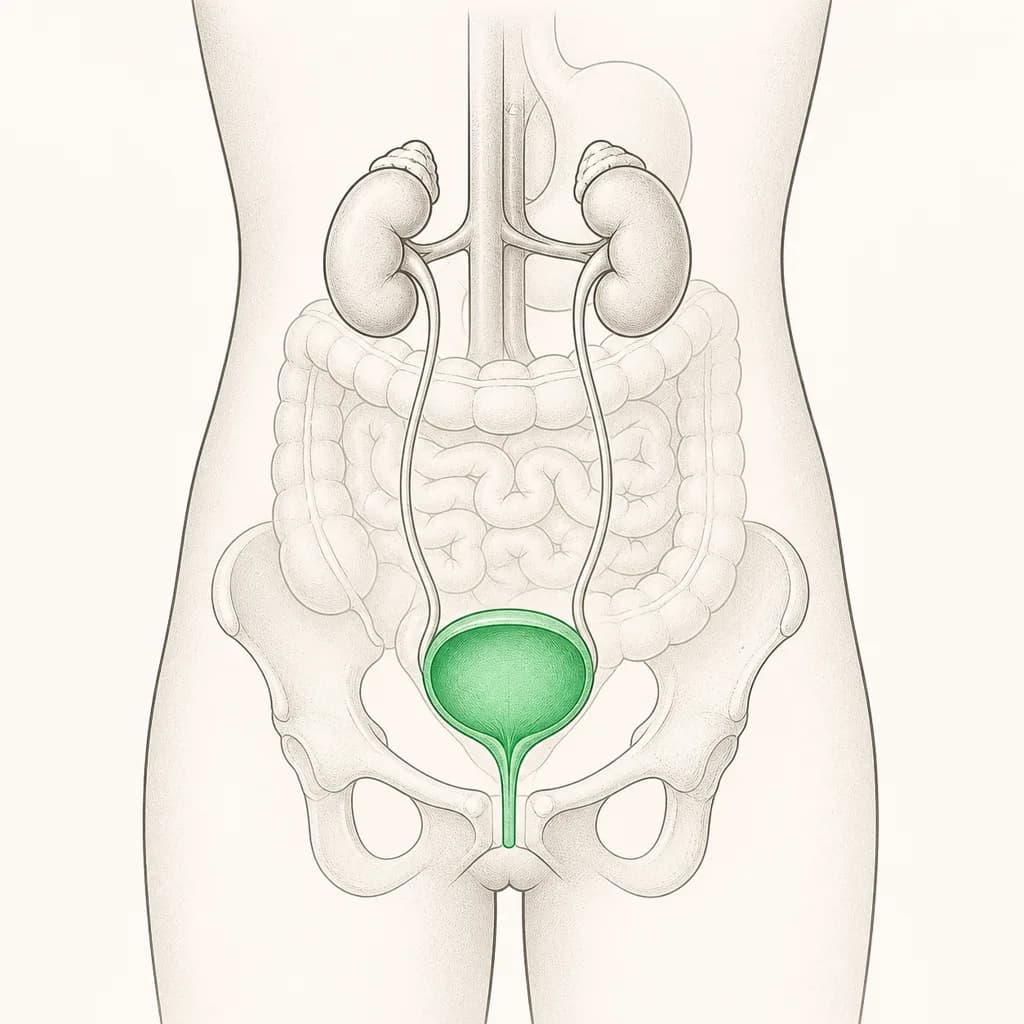
Short answer
Dark Urine is a very common presentation of Hepatitis A, but worsening symptoms or dehydration should prompt medical advice.
This answers one question. It is not a diagnosis and does not replace an assessment by a licensed doctor.
At a glance
- Common association
- Dark urine is very common during hepatitis A.
- Hydration clue
- Very little urine, dizziness, or faintness can signal dehydration.
- Avoid
- Alcohol and unapproved medicines or supplements while the liver is inflamed.
When to worry about dark urine
Dark urine can appear when hepatitis A affects the liver's handling of bile. It may occur with yellowing of the eyes or skin, pale stools, tiredness, nausea, reduced appetite, or discomfort under the right ribs.
What the colour change can mean
Urine that looks tea-coloured, brown, or noticeably darker than usual may reflect bilirubin passing into the urine. This can happen during hepatitis A and does not by itself show how severe the illness is.
The colour can also become darker when you are not drinking enough, especially if vomiting, diarrhoea, fever, or poor appetite is present. A clinician can assess hydration, examine you, and arrange liver tests when needed.
What to do now
Take frequent small sips of water or an oral rehydration drink if you can keep fluids down. Rest, avoid alcohol, and do not start medicines, supplements, or herbal products without checking that they are suitable for your liver.
Contact the clinician managing your hepatitis A if the urine stays very dark, becomes darker, or appears alongside increasing jaundice, repeated vomiting, worsening abdominal pain, or difficulty maintaining fluids. Keep track of urine colour and other changes so you can describe them clearly.
When to seek urgent care
Seek urgent medical care if you cannot keep fluids down, are passing very little urine, feel faint or confused, are unusually sleepy, develop severe abdominal pain, or have blood in vomit or stool. These signs can indicate significant dehydration or a complication needing assessment.
Do not wait for the urine colour to improve if your alertness or general condition is worsening. If you are difficult to wake, collapse, have trouble breathing, or develop sudden severe symptoms, use emergency services.
Questions for your doctor
Ask whether your urine change fits the hepatitis A illness, how to monitor hydration, which medicines are safe for you, and which symptoms should trigger same-day review. Mention any previous liver condition and every prescription, over-the-counter medicine, supplement, or herbal product you use.
Find care
General Clinics & Polyclinics in Abu Dhabi
That answer is general. If you want it applied to your own case, these are licensed general clinics & polyclinics listed in Abu Dhabi.
27 Ar Ruwwad St - Shakhbout City - MSH4 - Abu Dhabi - United Arab Emirates
Accepts: Daman, Thiqa, Cigna, MetLife +20 more
Al Ruwais, Al Dhafrah
Accepts: Daman, Thiqa, AXA, Cigna +16 more
Al Bahyah - Al Bahyah Old - Abu Dhabi - United Arab Emirates
Accepts: Daman, Thiqa, Cigna, Allianz Care +18 more
Abu Dhabi
Accepts: Daman, Thiqa, AXA, Cigna +27 more
Ordered by verification status and how complete each clinic's public record is, then alphabetically. This is a directory listing, not a ranking — Zavis does not rate or recommend providers.
A factual listing drawn from the DHA, DOH and MOHAP licence registers. It is not a referral, an endorsement, or advice that any of these providers is right for you.
Questions people ask
Is dark urine expected with hepatitis A?
Yes. Dark urine is a very common presentation of hepatitis A, often occurring with jaundice or pale stools. A clinician should assess changes that are worsening or accompanied by poor fluid intake.
Can dehydration make urine darker during hepatitis A?
Yes. Vomiting, diarrhoea, fever, or reduced drinking can concentrate urine. Small frequent sips may help, but very little urine, faintness, confusion, or inability to keep fluids down needs urgent care.
Related
Related reading
Keep reading
Medical disclaimer. This page is general health information, not medical advice, and it cannot diagnose you. Always consult a licensed healthcare provider about your own symptoms and treatment. In an emergency in the UAE, call 998 for an ambulance.