
When to worry about constipation with diverticular disease
Short answer
Constipation is a common presentation of diverticular disease, but new severe pain, fever, vomiting, or bleeding needs medical review.
This answers one question. It is not a diagnosis and does not replace an assessment by a licensed doctor.
At a glance
- Possible pattern
- Diverticular disease may be accompanied by constipation, bloating, or altered bowel habits.
- Urgent warning
- Severe pain with fever, vomiting, swelling, or bleeding needs urgent assessment.
What the symptoms can mean
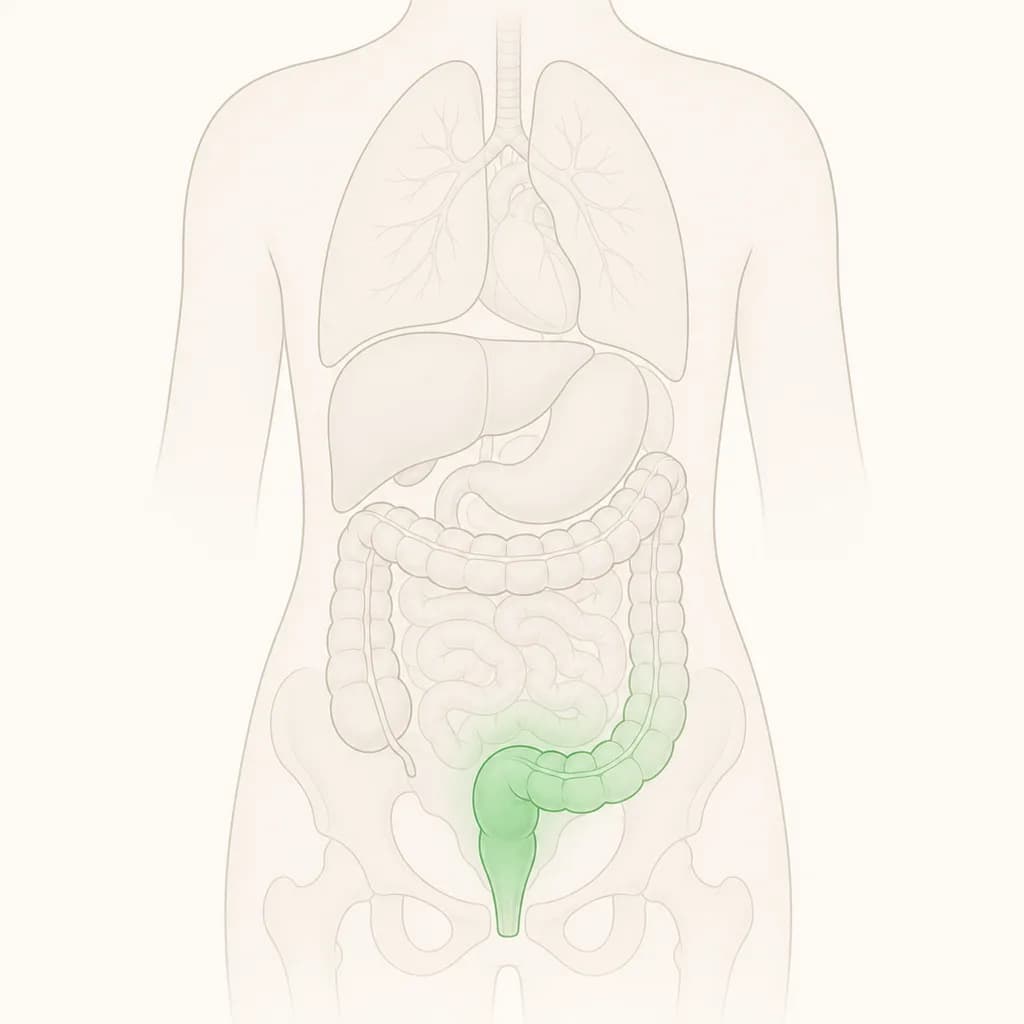
Diverticular disease involves small pouches in the bowel wall. Some people notice constipation, changes in stool pattern, bloating, or lower abdominal discomfort. Symptoms can fluctuate and may also arise from ordinary changes in food, fluid intake, activity, or medicines. A sudden change with constant or worsening abdominal pain is different from your usual pattern and can signal inflammation or another bowel problem.
What to do
Keep a record of bowel frequency, stool consistency, pain location, fever, vomiting, and any blood. Unless a clinician has advised a restriction, drink regularly and increase fibre gradually through foods that you tolerate. Gentle activity can support bowel movement. Avoid repeated straining and ask your clinician before using a laxative, especially during an episode of pain, vomiting, or abdominal swelling.
When to seek care
Arrange a review if constipation is persistent, keeps returning, or comes with a new bowel habit change. Seek urgent help for severe or worsening abdominal pain, fever, repeated vomiting, a swollen abdomen, heavy rectal bleeding, black stools, or inability to pass stool and gas. These features may require examination and treatment rather than home care.
Questions for your doctor
Ask whether your symptoms fit uncomplicated diverticular disease, which fibre and fluid approach suits you, and whether medicines could be affecting your bowel. Ask what symptoms should prompt urgent contact and whether you need a planned review of a persistent bowel change.
Find care
General Clinics & Polyclinics in Abu Dhabi
That answer is general. If you want it applied to your own case, these are licensed general clinics & polyclinics listed in Abu Dhabi.
27 Ar Ruwwad St - Shakhbout City - MSH4 - Abu Dhabi - United Arab Emirates
Accepts: Daman, Thiqa, Cigna, MetLife +20 more
Al Ruwais, Al Dhafrah
Accepts: Daman, Thiqa, AXA, Cigna +16 more
Al Bahyah - Al Bahyah Old - Abu Dhabi - United Arab Emirates
Accepts: Daman, Thiqa, Cigna, Allianz Care +18 more
Abu Dhabi
Accepts: Daman, Thiqa, AXA, Cigna +27 more
Ordered by verification status and how complete each clinic's public record is, then alphabetically. This is a directory listing, not a ranking — Zavis does not rate or recommend providers.
A factual listing drawn from the DHA, DOH and MOHAP licence registers. It is not a referral, an endorsement, or advice that any of these providers is right for you.
Questions people ask
Can diverticular disease affect bowel habits?
Yes. Some people notice constipation, looser stools, bloating, or a change from their usual pattern.
When is constipation with diverticular disease urgent?
Severe or worsening pain, fever, repeated vomiting, heavy bleeding, black stools, or inability to pass stool and gas needs urgent help.
Related
Related reading
Keep reading
Medical disclaimer. This page is general health information, not medical advice, and it cannot diagnose you. Always consult a licensed healthcare provider about your own symptoms and treatment. In an emergency in the UAE, call 998 for an ambulance.