
When to worry about constipation with an anal fissure
Short answer
Constipation is a common presentation of anal fissure, and persistent pain, bleeding, or inability to pass stool needs medical advice.
This answers one question. It is not a diagnosis and does not replace an assessment by a licensed doctor.
At a glance
- Typical effect
- Hard stool and straining can reopen or irritate the tear.
- Urgent warning
- Heavy bleeding, severe abdominal pain, vomiting, or inability to pass stool and gas needs urgent help.
How the symptoms connect
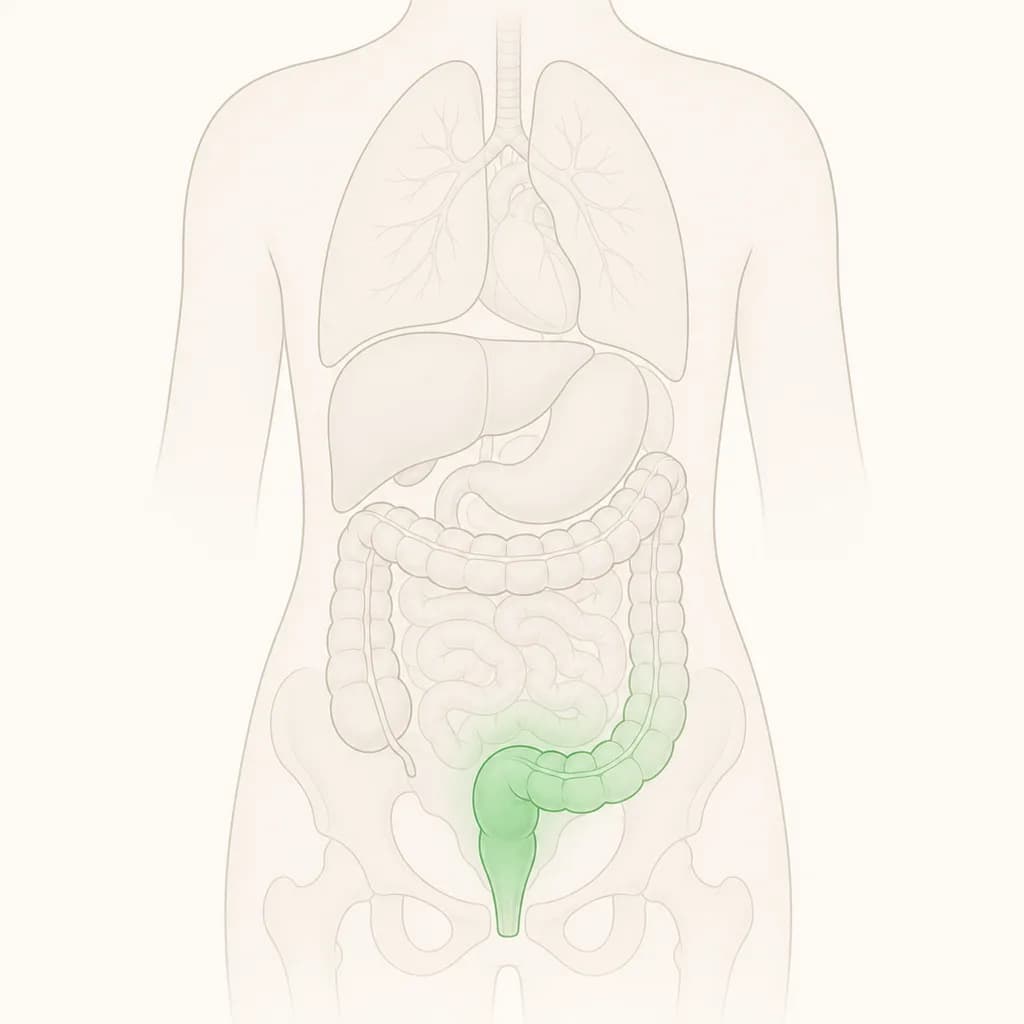
An anal fissure is a small tear in the lining of the anus. Hard or large stools and straining can stretch the tear and cause sharp pain during or after a bowel movement. Pain may lead you to delay going to the toilet, allowing stool to become harder and maintaining the cycle. Bright-red blood on toilet paper or on the outside of stool can occur, but bleeding from the back passage should not automatically be attributed to a fissure.
What to do
Aim for softer stools by drinking fluids regularly, increasing fibre gradually if it suits you, and responding to the urge to open your bowels. Gentle activity may help bowel movement. Avoid prolonged straining and ask a pharmacist or clinician whether a stool-softening treatment is suitable. Warm water soaks may soothe discomfort. If pain makes bowel movements difficult, arrange an assessment rather than repeatedly postponing them.
When to seek care
Contact a clinician if pain or bleeding persists, constipation keeps returning, or the fissure does not settle with simple measures. Seek urgent help for heavy or ongoing bleeding, black stools, severe abdominal pain, vomiting, a swollen abdomen, fever, or inability to pass stool and gas. These symptoms may need assessment for a problem beyond an uncomplicated fissure.
Questions for your doctor
Ask whether the tear needs prescription treatment, how to soften your stool safely, how long to try self-care, and whether another cause of rectal bleeding should be excluded. Mention pregnancy, medicines, or bowel conditions that may affect treatment choices.
Find care
General Clinics & Polyclinics in Abu Dhabi
That answer is general. If you want it applied to your own case, these are licensed general clinics & polyclinics listed in Abu Dhabi.
27 Ar Ruwwad St - Shakhbout City - MSH4 - Abu Dhabi - United Arab Emirates
Accepts: Daman, Thiqa, Cigna, MetLife +20 more
Al Ruwais, Al Dhafrah
Accepts: Daman, Thiqa, AXA, Cigna +16 more
Al Bahyah - Al Bahyah Old - Abu Dhabi - United Arab Emirates
Accepts: Daman, Thiqa, Cigna, Allianz Care +18 more
Abu Dhabi
Accepts: Daman, Thiqa, AXA, Cigna +27 more
Ordered by verification status and how complete each clinic's public record is, then alphabetically. This is a directory listing, not a ranking — Zavis does not rate or recommend providers.
A factual listing drawn from the DHA, DOH and MOHAP licence registers. It is not a referral, an endorsement, or advice that any of these providers is right for you.
Questions people ask
Can constipation make an anal fissure worse?
Yes. Hard stools and straining can stretch and irritate the tear, increasing pain and delaying healing.
Should rectal bleeding from constipation be checked?
Persistent, recurrent, heavy, or unexplained bleeding should be assessed rather than assumed to be from a fissure.
Related
Related reading
Keep reading
Medical disclaimer. This page is general health information, not medical advice, and it cannot diagnose you. Always consult a licensed healthcare provider about your own symptoms and treatment. In an emergency in the UAE, call 998 for an ambulance.