
When is paediatric physiotherapy recommended for Osgood-Schlatter disease?
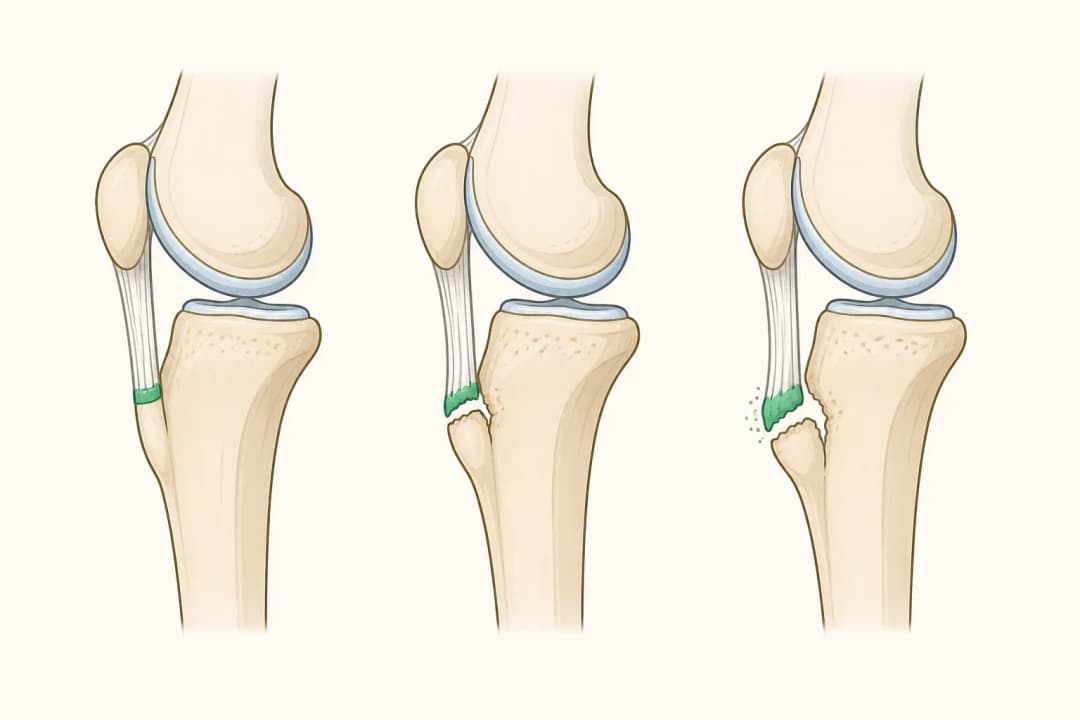
Short answer
Paediatric physiotherapy is recommended for Osgood-Schlatter disease when pain at the tibial tubercle limits activity, or when tightness, weakness, or movement habits are adding strain to the knee.
This answers one question. It is not a diagnosis and does not replace an assessment by a licensed doctor.
At a glance
- Main therapy goals
- Settle overload, preserve movement, build strength, and return to activity gradually.
- Pain location
- The tender area is usually the bony bump below the kneecap.
Understanding the condition
Osgood-Schlatter disease, also called tibial tubercle apophysitis, causes pain and tenderness at the bump below the kneecap where the tendon attaches. Running, jumping, kneeling, and repeated sport movements can irritate this area while the bone is growing. Physiotherapy focuses on reducing overload, maintaining comfortable flexibility, building useful strength, and improving how the child lands, squats, or changes direction. Symptoms can fluctuate with activity.
Steps that may help
A paediatric physiotherapist can assess pain, thigh and hip strength, flexibility, running mechanics, and training load. The plan may include temporary activity modification, gradual strengthening, stretching where appropriate, and a staged return to sport. Use pain as a guide, avoid repeated activities that clearly worsen symptoms, and follow the progression rather than rushing back after a quiet day. See [Osgood-Schlatter Disease](/conditions/osgood-schlatter-disease/) and [Paediatric Physiotherapy](/treatments/physiotherapy-and-rehabilitation/paediatric-physiotherapy/).
When to seek care
Arrange medical review if pain is severe, occurs at rest, follows a significant injury, or prevents weight-bearing. Seek prompt care for marked swelling, redness, fever, sudden loss of knee movement, or symptoms that do not fit the usual activity-related pattern.
Questions for your doctor
Ask which activities should be reduced, what level of discomfort is acceptable during exercise, and how strength will be rebuilt. Clarify the return-to-sport steps, whether another cause of knee pain needs checking, and what changes warrant an earlier review.
Find care
General Clinics & Polyclinics in Abu Dhabi
That answer is general. If you want it applied to your own case, these are licensed general clinics & polyclinics listed in Abu Dhabi.
27 Ar Ruwwad St - Shakhbout City - MSH4 - Abu Dhabi - United Arab Emirates
Accepts: Daman, Thiqa, Cigna, MetLife +20 more
Al Ruwais, Al Dhafrah
Accepts: Daman, Thiqa, AXA, Cigna +16 more
Al Bahyah - Al Bahyah Old - Abu Dhabi - United Arab Emirates
Accepts: Daman, Thiqa, Cigna, Allianz Care +18 more
Abu Dhabi
Accepts: Daman, Thiqa, AXA, Cigna +27 more
Ordered by verification status and how complete each clinic's public record is, then alphabetically. This is a directory listing, not a ranking — Zavis does not rate or recommend providers.
A factual listing drawn from the DHA, DOH and MOHAP licence registers. It is not a referral, an endorsement, or advice that any of these providers is right for you.
Questions people ask
Does physiotherapy cure Osgood-Schlatter disease immediately?
It supports symptom control and function while the growing area settles; improvement usually requires activity adjustments and gradual rehabilitation.
Must a child stop sport completely?
Not always. The physiotherapist can adapt training and guide a gradual return, while painful jumping or running may need a temporary reduction.
Related
Related reading
Keep reading
Medical disclaimer. This page is general health information, not medical advice, and it cannot diagnose you. Always consult a licensed healthcare provider about your own symptoms and treatment. In an emergency in the UAE, call 998 for an ambulance.