
When Is IPL Photofacial Recommended for Post-Inflammatory Erythema?
Short answer
IPL photofacial may be recommended for persistent post-inflammatory erythema after active inflammation has settled and a clinician confirms that light treatment is appropriate for your skin.
This answers one question. It is not a diagnosis and does not replace an assessment by a licensed doctor.
At a glance
- Best timing
- After the original inflammation and irritation have settled
- Main target
- Persistent red or pink marks
- Before treatment
- A skin assessment and discussion of light sensitivity
What this means
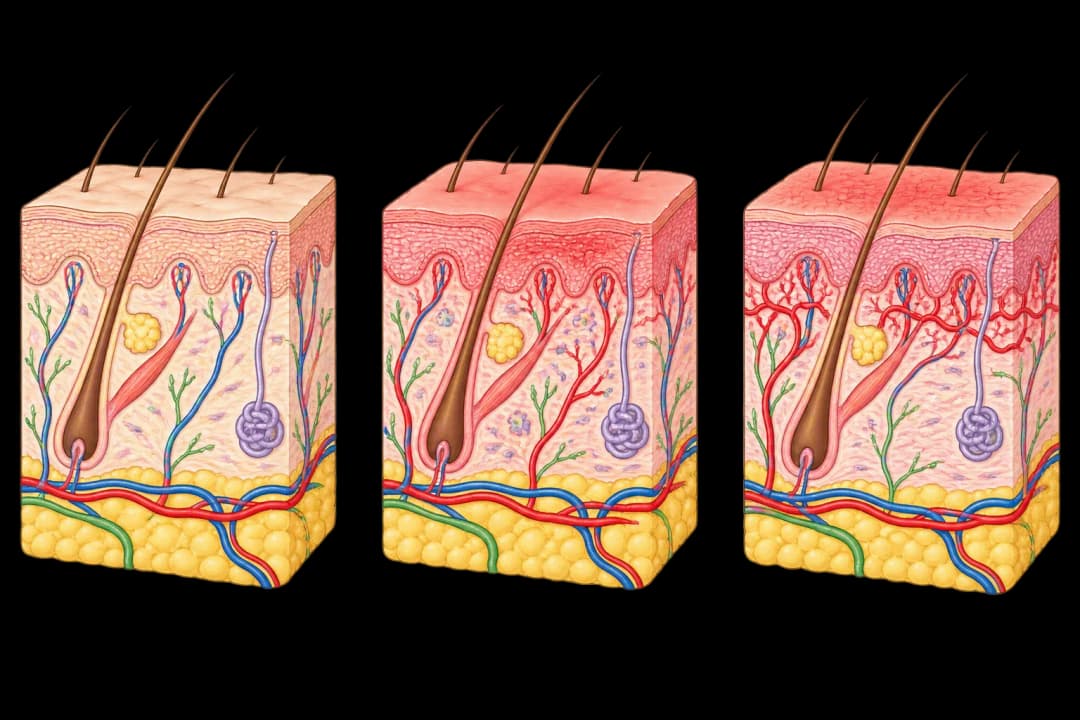
Post-inflammatory erythema is a red or pink mark left after acne, irritation, injury, or another inflammatory episode. It is different from a brown mark because the visible colour comes mainly from increased redness in the skin. IPL uses filtered pulses of light that can target some visible blood vessels and gradually soften their appearance.
A consultation helps distinguish erythema from ongoing acne, infection, a changing mole, or pigmentation. Treatment may be less suitable when the area is actively inflamed, recently irritated, sun-exposed, or affected by a condition that makes light treatment unsafe.
How to prepare
Arrange an assessment with a qualified dermatology or laser clinician. Mention recent tanning, medicines that increase light sensitivity, a tendency to scar, cold sores, and any products that have irritated the area. Follow the clinic's instructions about sun protection and stopping irritating products.
After treatment, the skin can feel warm or look temporarily red. Use the recommended gentle cleanser, moisturiser, and broad-spectrum sunscreen, and avoid picking or scrubbing the treated skin. Active acne or new inflammation may need treatment first.
When to seek care
Seek prompt medical advice if redness is spreading, hot, painful, swollen, oozing, or accompanied by fever. Contact the treating clinic if blistering, marked swelling, increasing pain, or a persistent change in skin colour develops after IPL. A changing or bleeding spot should be examined before cosmetic treatment.
Questions for your doctor
Ask whether the mark is truly post-inflammatory erythema, whether IPL suits your skin tone and current skin condition, what preparation is needed, and which reactions should prompt a call. Ask how active acne, recent sun exposure, or your medicines could change the plan.
Find care
General Clinics & Polyclinics in Abu Dhabi
That answer is general. If you want it applied to your own case, these are licensed general clinics & polyclinics listed in Abu Dhabi.
27 Ar Ruwwad St - Shakhbout City - MSH4 - Abu Dhabi - United Arab Emirates
Accepts: Daman, Thiqa, Cigna, MetLife +20 more
Al Ruwais, Al Dhafrah
Accepts: Daman, Thiqa, AXA, Cigna +16 more
Al Bahyah - Al Bahyah Old - Abu Dhabi - United Arab Emirates
Accepts: Daman, Thiqa, Cigna, Allianz Care +18 more
Abu Dhabi
Accepts: Daman, Thiqa, AXA, Cigna +27 more
Ordered by verification status and how complete each clinic's public record is, then alphabetically. This is a directory listing, not a ranking — Zavis does not rate or recommend providers.
A factual listing drawn from the DHA, DOH and MOHAP licence registers. It is not a referral, an endorsement, or advice that any of these providers is right for you.
Questions people ask
Can IPL treat red marks from acne?
It may help persistent red marks when the acne and surrounding inflammation are controlled and a clinician confirms that the colour is suitable for IPL.
Will every red mark respond to IPL?
No. Results depend on the cause of the redness, skin tone, recent sun exposure, and whether the mark contains a light-responsive vascular component.
Related
Related reading
Keep reading
Medical disclaimer. This page is general health information, not medical advice, and it cannot diagnose you. Always consult a licensed healthcare provider about your own symptoms and treatment. In an emergency in the UAE, call 998 for an ambulance.