
When is anticoagulation management recommended for pulmonary embolism?
Short answer
Anticoagulation management is recommended for most confirmed pulmonary embolisms unless bleeding risk or another medical issue makes standard treatment unsafe.
This answers one question. It is not a diagnosis and does not replace an assessment by a licensed doctor.
At a glance
- Treatment aim
- Prevent further clots
- Emergency symptoms
- Breathlessness, chest pain, collapse, or coughing blood
How anticoagulation helps
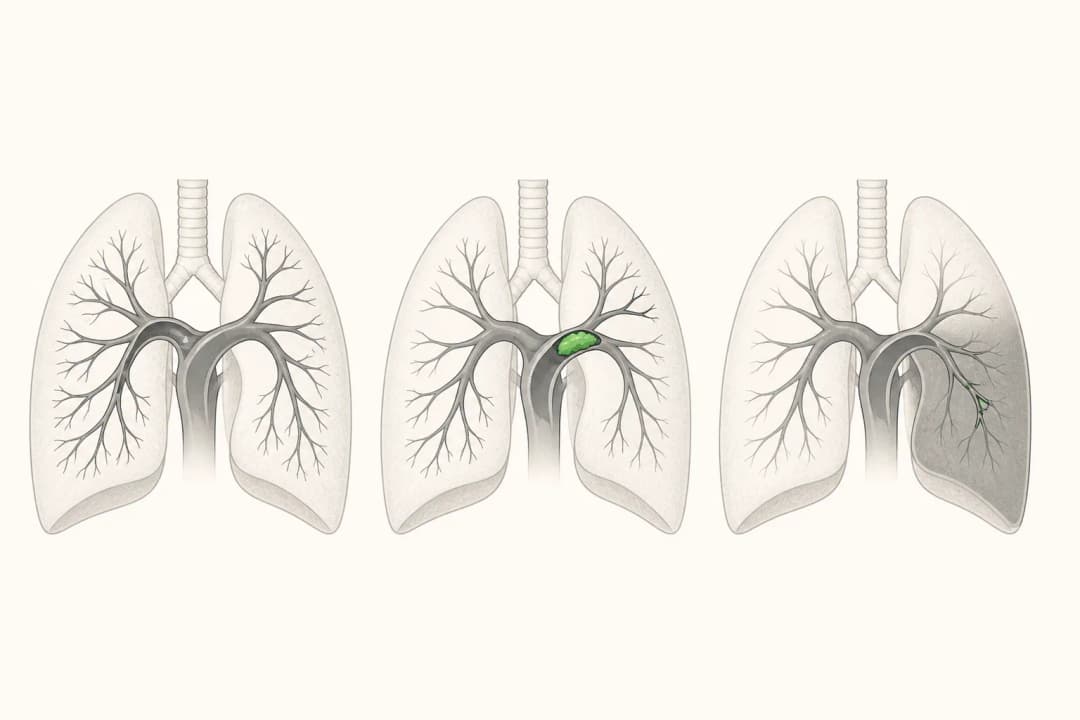
A pulmonary embolism occurs when a clot blocks a blood vessel in the lungs, often after forming in a deep vein. Anticoagulants help prevent the clot from enlarging and reduce the chance of additional clots while the body breaks down the blockage. Hospital teams assess breathing, circulation, clot burden, kidney function, recent operations, pregnancy, bleeding history, and medicines before choosing treatment.
After diagnosis
Take each dose according to the discharge plan and arrange follow-up before the supply runs out. Ask how much activity is appropriate and gradually return to normal movement as advised. Tell dentists and clinicians about the medicine, and check before using aspirin, anti-inflammatory painkillers, supplements, or herbal products. Carry your treatment information and learn what to do if you miss a dose or notice bleeding.
Emergency warning signs
Call emergency services for worsening breathlessness, chest pain, coughing blood, blue lips, fainting, confusion, or a very fast heartbeat. While taking anticoagulation, urgent assessment is also needed for severe bleeding, black stools, vomiting blood, a sudden severe headache, or a head injury. Do not wait for a routine appointment if these symptoms occur.
Questions for your doctor
Ask what caused the embolism, how long treatment is expected to continue, which follow-up tests are needed, and how to plan travel, exercise, pregnancy, or an operation.
Find care
General Clinics & Polyclinics in Abu Dhabi
That answer is general. If you want it applied to your own case, these are licensed general clinics & polyclinics listed in Abu Dhabi.
27 Ar Ruwwad St - Shakhbout City - MSH4 - Abu Dhabi - United Arab Emirates
Accepts: Daman, Thiqa, Cigna, MetLife +20 more
Al Ruwais, Al Dhafrah
Accepts: Daman, Thiqa, AXA, Cigna +16 more
Al Bahyah - Al Bahyah Old - Abu Dhabi - United Arab Emirates
Accepts: Daman, Thiqa, Cigna, Allianz Care +18 more
Abu Dhabi
Accepts: Daman, Thiqa, AXA, Cigna +27 more
Ordered by verification status and how complete each clinic's public record is, then alphabetically. This is a directory listing, not a ranking — Zavis does not rate or recommend providers.
A factual listing drawn from the DHA, DOH and MOHAP licence registers. It is not a referral, an endorsement, or advice that any of these providers is right for you.
Questions people ask
Will anticoagulation dissolve a pulmonary embolism immediately?
No. It prevents clot growth and new clots while the body gradually clears the existing blockage.
Should I stop treatment when breathing improves?
No. Continue until the prescribing clinician changes the plan, because symptoms improving does not confirm that clot risk has ended.
Related
Related reading
Keep reading
Medical disclaimer. This page is general health information, not medical advice, and it cannot diagnose you. Always consult a licensed healthcare provider about your own symptoms and treatment. In an emergency in the UAE, call 998 for an ambulance.