
When is antibiotic treatment recommended for giardiasis?
Short answer
Antibiotic treatment is recommended for giardiasis when a clinician confirms or strongly suspects infection and treatment is appropriate for the person.
This answers one question. It is not a diagnosis and does not replace an assessment by a licensed doctor.
At a glance
- Cause
- A microscopic intestinal parasite
- Supportive care
- Fluids and careful hand hygiene
- Testing
- Stool samples may be needed
What this means
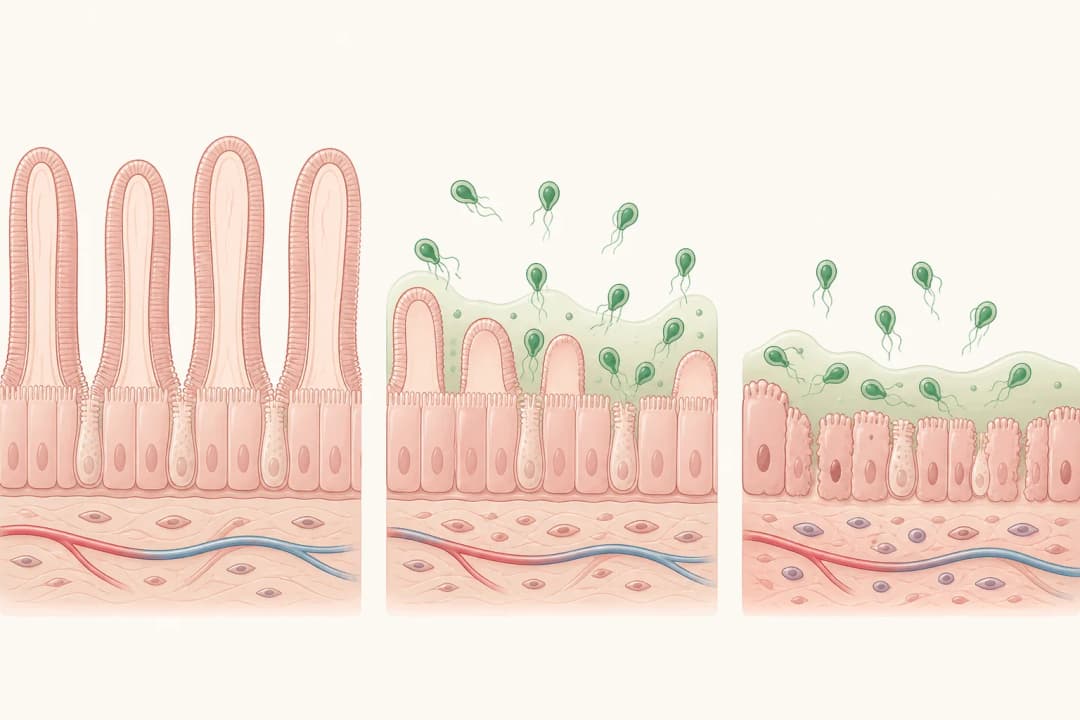
Giardiasis is caused by a microscopic parasite affecting the small intestine. It can cause watery or greasy diarrhoea, gas, cramps, nausea, tiredness and weight loss. Some people have few symptoms and may not need immediate medicine, while persistent or troublesome illness is more likely to prompt a prescription. Choice and timing depend on symptoms, test results, age, pregnancy, other illnesses and medicines. A clinician may request stool samples because several causes of diarrhoea can look similar.
What to do next
Drink frequent fluids and use oral rehydration advice if diarrhoea is heavy. Wash hands with soap and water after using the toilet and before handling food; avoid preparing food for others while unwell. Take the prescribed medicine exactly as directed, and do not share leftover antibiotics. If symptoms continue after treatment, contact the clinician because reinfection, treatment failure or another diagnosis may need checking. People in the same household may need advice if several develop diarrhoea.
When to seek care
Arrange prompt assessment for dehydration, very little urine, dizziness, blood in stool, severe abdominal pain, fever, ongoing vomiting or diarrhoea that does not settle. Children, older adults, pregnant people and people with weakened immunity can become unwell more quickly. Seek emergency help for confusion, collapse, inability to keep fluids down or severe weakness.
Questions for your doctor
Ask whether stool testing is needed, why medicine is recommended in your situation, how to take it with food or other medicines, and when symptoms should improve. Ask when you can return to work or school, what hygiene precautions to follow, and whether a repeat test is needed if diarrhoea continues.
Find care
General Clinics & Polyclinics in Abu Dhabi
That answer is general. If you want it applied to your own case, these are licensed general clinics & polyclinics listed in Abu Dhabi.
27 Ar Ruwwad St - Shakhbout City - MSH4 - Abu Dhabi - United Arab Emirates
Accepts: Daman, Thiqa, Cigna, MetLife +20 more
Al Ruwais, Al Dhafrah
Accepts: Daman, Thiqa, AXA, Cigna +16 more
Al Bahyah - Al Bahyah Old - Abu Dhabi - United Arab Emirates
Accepts: Daman, Thiqa, Cigna, Allianz Care +18 more
Abu Dhabi
Accepts: Daman, Thiqa, AXA, Cigna +27 more
Ordered by verification status and how complete each clinic's public record is, then alphabetically. This is a directory listing, not a ranking — Zavis does not rate or recommend providers.
A factual listing drawn from the DHA, DOH and MOHAP licence registers. It is not a referral, an endorsement, or advice that any of these providers is right for you.
Questions people ask
Does every person with giardiasis need antibiotics?
Not always. A clinician considers symptoms, testing, health conditions and the risk of ongoing spread before recommending prescription treatment.
Can giardiasis return after treatment?
Symptoms can persist or recur because of reinfection, incomplete treatment or another cause of diarrhoea, so seek review rather than restarting medicine yourself.
Related
Related reading
Keep reading
Medical disclaimer. This page is general health information, not medical advice, and it cannot diagnose you. Always consult a licensed healthcare provider about your own symptoms and treatment. In an emergency in the UAE, call 998 for an ambulance.