
What to know about PCOS in teenagers
Short answer
Polycystic ovary syndrome in teenagers needs careful assessment because irregular periods, acne and hair growth can overlap with puberty.
This answers one question. It is not a diagnosis and does not replace an assessment by a licensed doctor.
At a glance
- Symptoms can include
- Irregular periods, acne, increased hair growth and metabolic concerns.
- Diagnosis
- Requires context because puberty can cause similar changes.
Understanding PCOS in adolescence
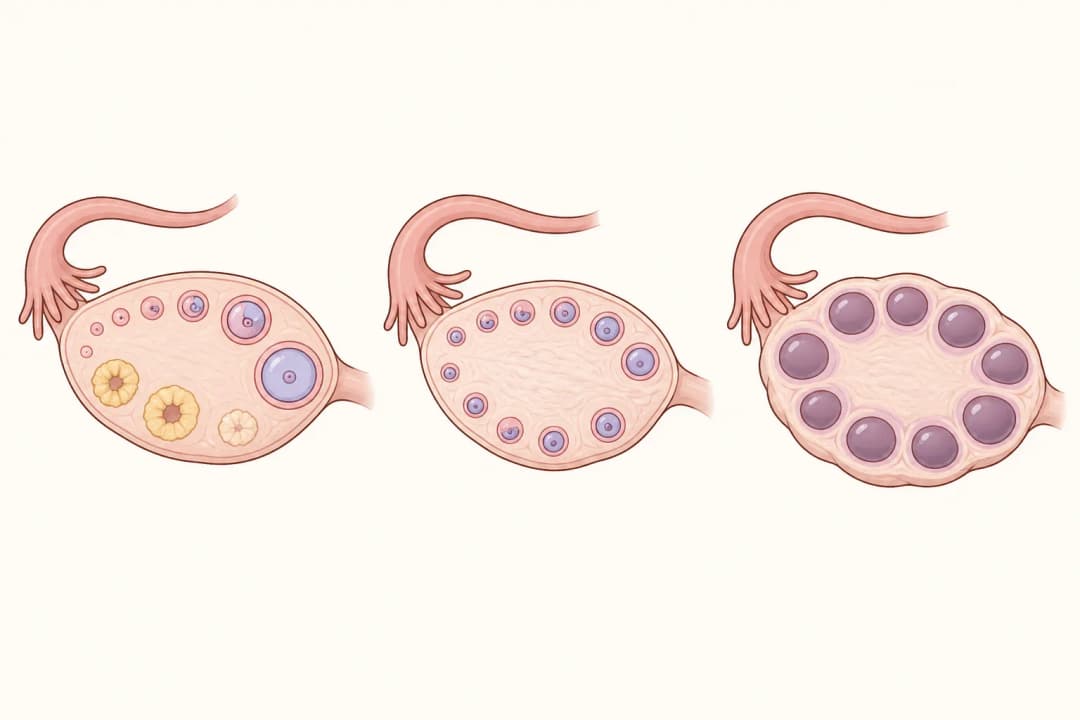
PCOS is a hormone-related condition that may affect menstrual cycles, skin, hair growth and metabolic health. Periods can be irregular after they begin, so clinicians consider how long it has been since the first period and how the pattern is changing. Acne or unwanted hair alone does not establish PCOS. Ultrasound findings may also be difficult to interpret during adolescence, and a clinician may first assess symptoms, examination findings and other possible explanations.
A respectful appointment should protect privacy and involve the teenager in decisions. A parent or trusted adult can offer support if the teenager wants one. The goal is to understand symptoms and health, not to blame the teenager or make assumptions about body size.
Helpful next steps
Keep a private record of bleeding dates, pain, acne changes, hair growth and medicines. Arrange an appointment with a family doctor, paediatrician or gynaecology clinician when symptoms persist or cause distress. Ask about sleep, movement, meals and emotional wellbeing as part of overall care. Treatment may address cycle symptoms, acne, hair concerns or metabolic risks, with choices matched to the teenager’s needs and preferences.
When to seek care
Get prompt medical help for bleeding that soaks through protection rapidly, severe pain, fainting, fever, or possible pregnancy with pain or bleeding. Arrange review for periods that remain very widely spaced, rapidly worsening hair or skin changes, or distress affecting school, sleep or eating. Seek urgent help for thoughts of self-harm or feeling unsafe.
Questions to bring
Ask what findings support or do not support PCOS, whether testing is needed, and which puberty-related changes can look similar. Discuss treatment choices, expected effects, privacy, follow-up, and who to contact if bleeding or emotional symptoms worsen.
Find care
General Clinics & Polyclinics in Abu Dhabi
That answer is general. If you want it applied to your own case, these are licensed general clinics & polyclinics listed in Abu Dhabi.
27 Ar Ruwwad St - Shakhbout City - MSH4 - Abu Dhabi - United Arab Emirates
Accepts: Daman, Thiqa, Cigna, MetLife +20 more
Al Ruwais, Al Dhafrah
Accepts: Daman, Thiqa, AXA, Cigna +16 more
Al Bahyah - Al Bahyah Old - Abu Dhabi - United Arab Emirates
Accepts: Daman, Thiqa, Cigna, Allianz Care +18 more
Abu Dhabi
Accepts: Daman, Thiqa, AXA, Cigna +27 more
Ordered by verification status and how complete each clinic's public record is, then alphabetically. This is a directory listing, not a ranking — Zavis does not rate or recommend providers.
A factual listing drawn from the DHA, DOH and MOHAP licence registers. It is not a referral, an endorsement, or advice that any of these providers is right for you.
Questions people ask
Can one symptom confirm PCOS?
No. Acne, irregular periods or increased hair growth alone cannot confirm the condition.
Can a teenager ask for private time with the clinician?
Many clinics can offer confidential time, subject to local safeguarding rules; ask the clinic how privacy works.
Related
Related reading
Keep reading
Medical disclaimer. This page is general health information, not medical advice, and it cannot diagnose you. Always consult a licensed healthcare provider about your own symptoms and treatment. In an emergency in the UAE, call 998 for an ambulance.