
What should you know about altitude sickness in travellers?
Short answer
Altitude sickness can develop when a traveller ascends faster than the body can adapt to thinner air, causing headache and other symptoms.
This answers one question. It is not a diagnosis and does not replace an assessment by a licensed doctor.
At a glance
- Main risk
- Ascending before the body has adapted to thinner air
- First response
- Stop ascending, rest and monitor with a companion
- Emergency action
- Descend promptly for worsening or severe symptoms
What it means
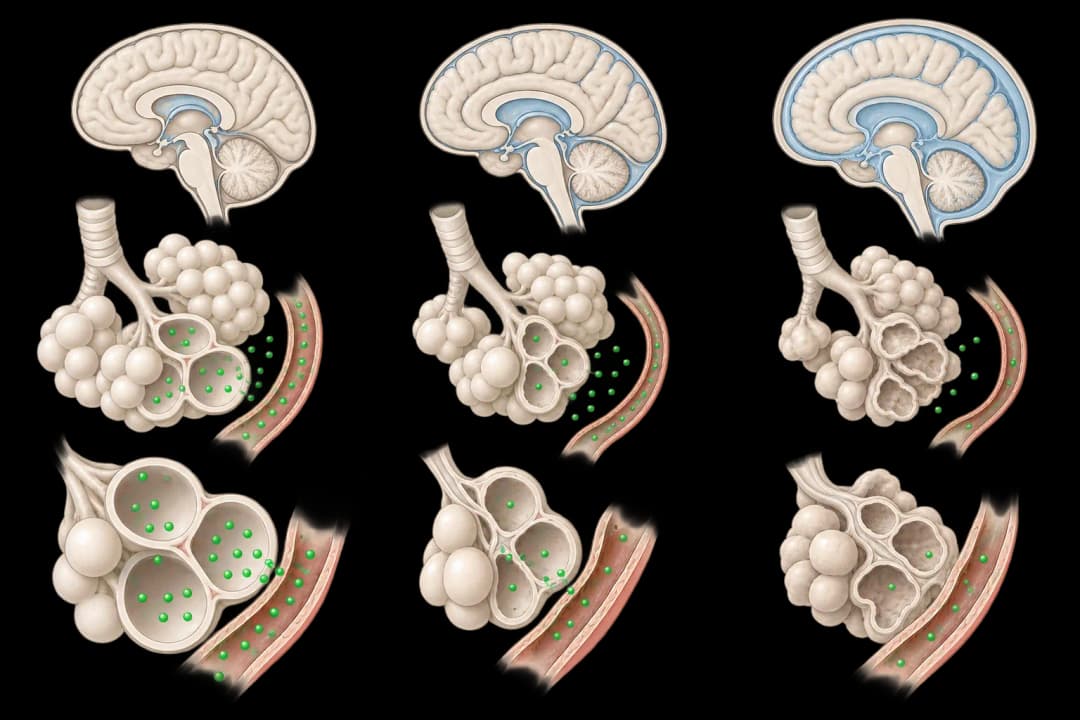
Early altitude illness commonly includes headache, nausea, reduced appetite, dizziness, tiredness or poor sleep after reaching a higher elevation. It can happen to fit travellers and is not prevented simply by being young or physically strong. Symptoms may begin after several hours or during the first night. More dangerous illness can affect the brain or lungs, causing confusion, poor coordination, breathlessness at rest, a persistent cough or frothy sputum. Alcohol and sedating medicines can make judgment and breathing problems harder to recognise.
What to do during a trip
Ascend gradually, build in rest days when the itinerary allows, and avoid going higher while symptoms are present. Drink normally, eat light meals if nauseated, and avoid alcohol. Tell travel companions how you feel and do not travel alone when unwell. Stop climbing and seek advice from a clinician or trained expedition professional about suitable treatment. If symptoms worsen, descend promptly; descent is the key emergency measure. People with heart or lung disease, pregnancy, sleep-related breathing problems or previous altitude illness should discuss an itinerary and preventive medicine before travel.
When to seek urgent care
Treat confusion, unusual sleepiness, difficulty walking straight, breathlessness while resting, chest tightness, blue lips, or a cough producing frothy sputum as an emergency. Descend with assistance if possible and contact emergency services. Do not leave a severely unwell traveller alone to fetch help. A headache with vomiting or rapidly worsening symptoms also needs prompt assessment, especially if symptoms do not improve after stopping ascent.
Questions for your doctor
Ask how your health conditions affect the route, whether preventive medicine is suitable, what dose instructions apply, and which symptoms mean you must descend. Share your planned elevations, pace of ascent and access to emergency care.
Find care
General Clinics & Polyclinics in Abu Dhabi
That answer is general. If you want it applied to your own case, these are licensed general clinics & polyclinics listed in Abu Dhabi.
27 Ar Ruwwad St - Shakhbout City - MSH4 - Abu Dhabi - United Arab Emirates
Accepts: Daman, Thiqa, Cigna, MetLife +20 more
Al Ruwais, Al Dhafrah
Accepts: Daman, Thiqa, AXA, Cigna +16 more
Al Bahyah - Al Bahyah Old - Abu Dhabi - United Arab Emirates
Accepts: Daman, Thiqa, Cigna, Allianz Care +18 more
Abu Dhabi
Accepts: Daman, Thiqa, AXA, Cigna +27 more
Ordered by verification status and how complete each clinic's public record is, then alphabetically. This is a directory listing, not a ranking — Zavis does not rate or recommend providers.
A factual listing drawn from the DHA, DOH and MOHAP licence registers. It is not a referral, an endorsement, or advice that any of these providers is right for you.
Questions people ask
Does fitness prevent altitude sickness?
No. Fitness does not replace gradual ascent or protect against altitude illness.
Should I keep climbing with a mild headache?
No. Stop ascending, rest and seek advice. Worsening symptoms require prompt descent and medical help.
Medical disclaimer. This page is general health information, not medical advice, and it cannot diagnose you. Always consult a licensed healthcare provider about your own symptoms and treatment. In an emergency in the UAE, call 998 for an ambulance.