
What to Expect from a Workplace Ergonomic Assessment for Text Neck
Short answer
A workplace ergonomic assessment reviews your posture, screen position, work habits, and equipment so practical changes can reduce neck strain from prolonged device use.
This answers one question. It is not a diagnosis and does not replace an assessment by a licensed doctor.
At a glance
- Main focus
- Posture, equipment, and work habits
- Useful aim
- Reduce sustained forward neck loading
What the assessment looks at
An assessor may watch how you sit, stand, type, read, and use a phone during ordinary tasks. They can check whether the monitor is too low, whether the chair supports you, and whether your keyboard or mouse makes you reach forward. The review may also cover lighting, document placement, break patterns, and how often you switch between screens and handheld devices.
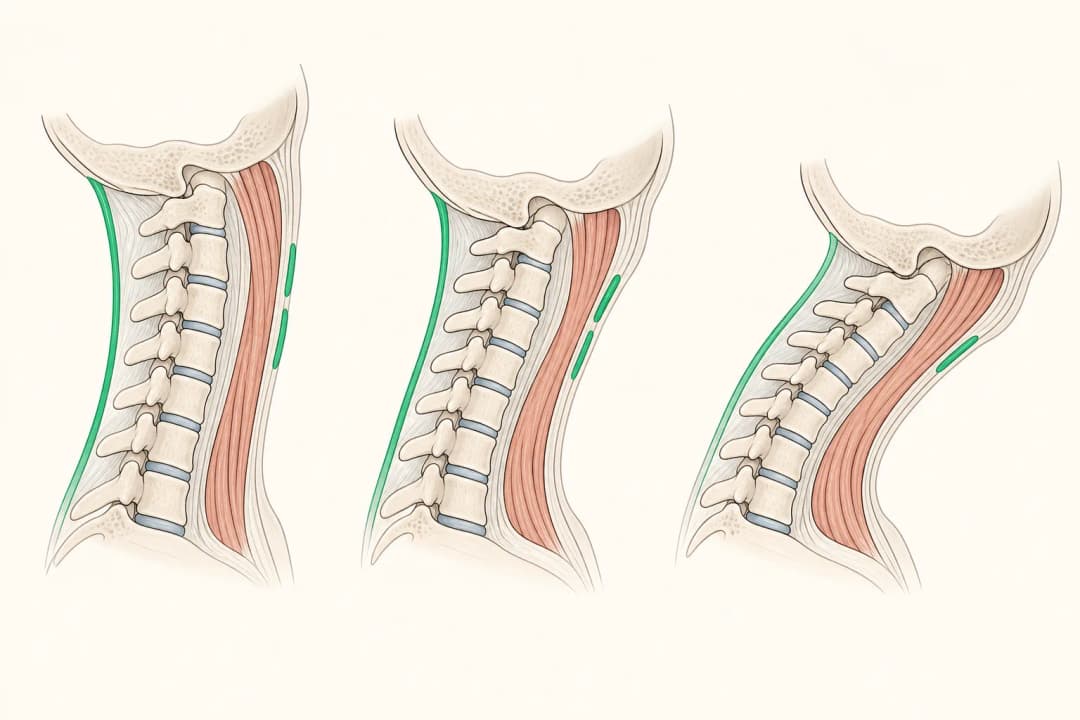
Text neck describes neck discomfort and fatigue associated with sustained forward-head or downward-looking positions. An assessment does not diagnose every possible cause of pain, but it can reveal repeatable loading patterns that are suitable for modification.
Changes you may be offered
Suggestions may include raising the main screen, bringing frequently used items closer, adjusting chair height, supporting the forearms, and using a headset for calls. A phone stand or larger screen can limit long periods of looking down. Short movement pauses and changing position between tasks are usually more useful than trying to hold one rigid posture all day.
Apply one change at a time and notice whether symptoms ease during work and later in the day. A physiotherapist may add gentle mobility work, strengthening, or a graded return to demanding tasks when symptoms have reduced.
When to seek medical care
Arrange a clinical assessment if neck pain persists despite reasonable workplace changes, repeatedly disrupts sleep, or travels into an arm. Seek urgent care for new weakness, loss of coordination, severe headache with neck stiffness, fever, or symptoms after a significant injury.
Questions to ask
Ask which symptoms fit a postural strain, which exercises are appropriate, how to modify phone use, and whether you need physiotherapy or further examination. Bring examples of the tasks that trigger symptoms.
Find care
General Clinics & Polyclinics in Abu Dhabi
That answer is general. If you want it applied to your own case, these are licensed general clinics & polyclinics listed in Abu Dhabi.
27 Ar Ruwwad St - Shakhbout City - MSH4 - Abu Dhabi - United Arab Emirates
Accepts: Daman, Thiqa, Cigna, MetLife +20 more
Al Ruwais, Al Dhafrah
Accepts: Daman, Thiqa, AXA, Cigna +16 more
Al Bahyah - Al Bahyah Old - Abu Dhabi - United Arab Emirates
Accepts: Daman, Thiqa, Cigna, Allianz Care +18 more
Abu Dhabi
Accepts: Daman, Thiqa, AXA, Cigna +27 more
Ordered by verification status and how complete each clinic's public record is, then alphabetically. This is a directory listing, not a ranking — Zavis does not rate or recommend providers.
A factual listing drawn from the DHA, DOH and MOHAP licence registers. It is not a referral, an endorsement, or advice that any of these providers is right for you.
Questions people ask
Will the assessor examine my neck?
They may observe movement and posture, but a workplace assessment is not a substitute for a medical examination when symptoms are persistent or severe.
Do I need a special chair?
Not always. Screen height, device position, forearm support, and regular position changes may matter as much as the chair itself.
Related
Related reading
Keep reading
Medical disclaimer. This page is general health information, not medical advice, and it cannot diagnose you. Always consult a licensed healthcare provider about your own symptoms and treatment. In an emergency in the UAE, call 998 for an ambulance.