
What to expect from a weight management programme for type 2 diabetes
Short answer
Expect a personalised programme for food, activity and behaviour, with glucose monitoring and medicine reviews as your routine changes.
This answers one question. It is not a diagnosis and does not replace an assessment by a licensed doctor.
At a glance
- Diabetes safety
- Review medicines as routines change
- Useful records
- Glucose readings, symptoms and activity
The diabetes-specific part
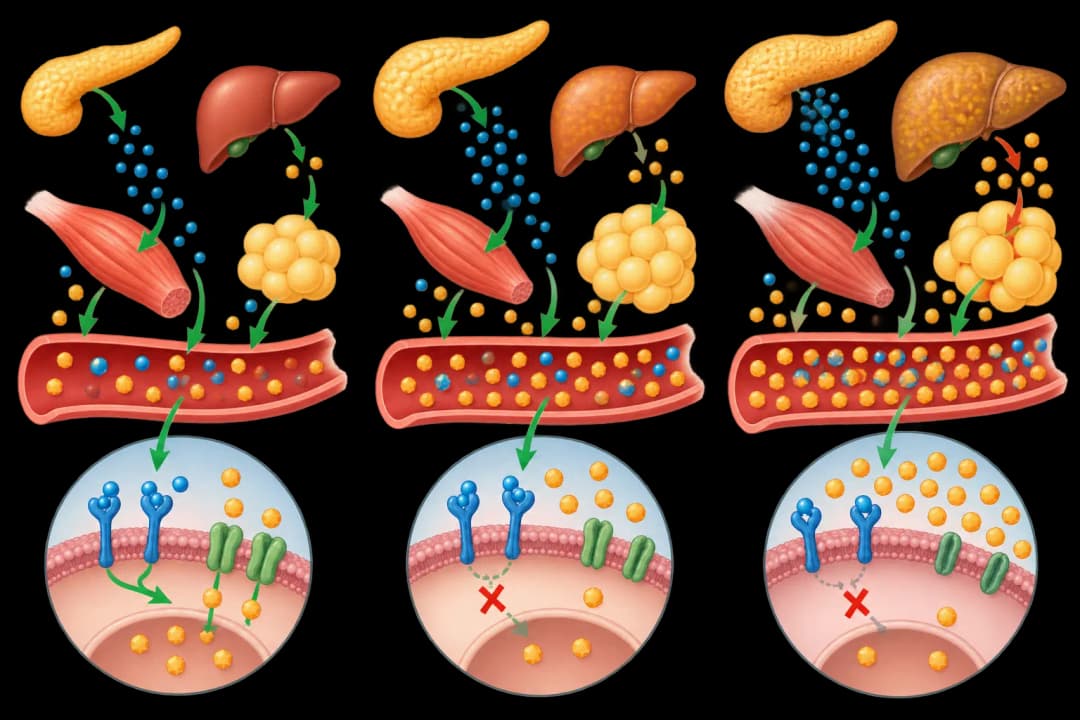
Type 2 diabetes affects how the body uses insulin and manages glucose. Changes in meals, activity, appetite and weight can alter glucose patterns, so the programme should sit alongside diabetes care. A clinician may review glucose readings, medicines, injection technique, eating times, sleep, foot health and any barriers to movement.
Sessions can cover balanced portions, carbohydrate awareness, activity planning, stress and how to handle social meals. The target is a safer, more manageable routine that supports glucose control and daily wellbeing; it is not a promise that medicine will no longer be needed.
How to use the support
Bring your glucose log, medicine list and questions about meals, work or exercise. Check glucose as your diabetes team recommends and record symptoms alongside readings. Tell the team before making a major change to food intake or activity, particularly if you use insulin or another medicine that can cause low glucose.
Carry a suitable source of fast-acting carbohydrate if your clinician has advised this for low glucose, and learn your personal action plan. Build activity gradually and inspect your feet if walking or exercise is new for you.
When to get medical advice
Seek urgent help for severe low-glucose symptoms, confusion, collapse, seizures, chest pain, severe breathlessness or repeated vomiting. Contact your diabetes team promptly for persistent high readings, ketones if you have been told to test for them, dehydration, new vision changes or a foot wound that is red, swollen or slow to heal.
Questions for your appointment
Ask which readings to track, whether medicines need adjustment, how to manage low glucose during increased activity, what foods fit your treatment, and when your next diabetes review should happen.
Find care
General Clinics & Polyclinics in Abu Dhabi
That answer is general. If you want it applied to your own case, these are licensed general clinics & polyclinics listed in Abu Dhabi.
27 Ar Ruwwad St - Shakhbout City - MSH4 - Abu Dhabi - United Arab Emirates
Accepts: Daman, Thiqa, Cigna, MetLife +20 more
Al Ruwais, Al Dhafrah
Accepts: Daman, Thiqa, AXA, Cigna +16 more
Al Bahyah - Al Bahyah Old - Abu Dhabi - United Arab Emirates
Accepts: Daman, Thiqa, Cigna, Allianz Care +18 more
Abu Dhabi
Accepts: Daman, Thiqa, AXA, Cigna +27 more
Ordered by verification status and how complete each clinic's public record is, then alphabetically. This is a directory listing, not a ranking — Zavis does not rate or recommend providers.
A factual listing drawn from the DHA, DOH and MOHAP licence registers. It is not a referral, an endorsement, or advice that any of these providers is right for you.
Questions people ask
Can I change diabetes medicine myself?
No. Discuss changes with your diabetes team because eating and activity changes can affect glucose and medicine needs.
Will every session include weighing?
The programme can monitor several outcomes, including glucose, energy, movement and daily function, according to your agreed plan.
Related
Related reading
Keep reading
Medical disclaimer. This page is general health information, not medical advice, and it cannot diagnose you. Always consult a licensed healthcare provider about your own symptoms and treatment. In an emergency in the UAE, call 998 for an ambulance.