
What to expect from rehabilitation after hip fracture surgery
Short answer
Expect rehabilitation to begin with safe bed mobility and transfers, then progress through walking practice, strength and balance work, and daily activity training.
This answers one question. It is not a diagnosis and does not replace an assessment by a licensed doctor.
At a glance
- Early goals
- Transfers, standing, and safe assisted walking
- Later goals
- Strength, balance, stairs, and daily tasks
- Key instruction
- Follow the stated weight-bearing limit
What rehabilitation involves
A physiotherapist may first assess pain, alertness, leg movement, standing balance, and the amount of weight allowed through the operated leg. You may practise rolling, sitting up, standing, using a frame or crutches, and getting in and out of a chair.
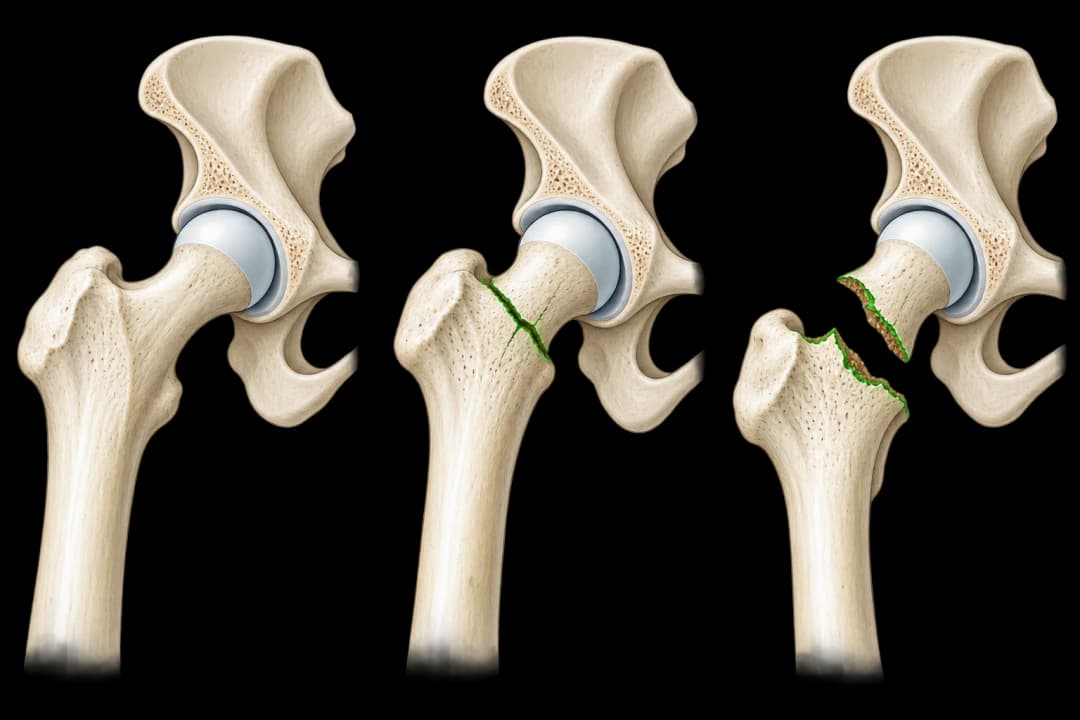
Later, treatment can include hip and leg strengthening, balance exercises, walking on different surfaces, and tasks such as stairs, dressing, and bathroom transfers. The plan is shaped by the fracture repair, weight-bearing instructions, general health, and your home setting. Information about the injury is available in [Hip Fracture].
How to support recovery
Use the walking aid at the height and level advised, take prescribed medicines as directed, and complete short exercise sessions consistently rather than rushing into long walks. Keep pathways clear, use recommended supports, and ask for help with tasks that involve twisting or loss of balance.
Attend follow-up appointments so the team can review wound healing, walking, strength, and weight-bearing. Tell them about dizziness, fear of falling, constipation, poor appetite, or difficulty managing at home; these can change the rehabilitation plan.
When to seek care
Seek prompt medical advice for increasing hip pain, wound redness or drainage, fever, new calf swelling, or a sudden decline in walking. Urgent help is needed for sudden breathlessness, chest pain, collapse, or a leg that becomes cold or unusually pale.
Questions for your doctor
Ask how much weight you may place on the operated leg, which walking aid is appropriate, when stairs and driving are reasonable, and what equipment may make bathing or toileting safer. Ask who to contact if pain or mobility worsens.
Find care
General Clinics & Polyclinics in Abu Dhabi
That answer is general. If you want it applied to your own case, these are licensed general clinics & polyclinics listed in Abu Dhabi.
27 Ar Ruwwad St - Shakhbout City - MSH4 - Abu Dhabi - United Arab Emirates
Accepts: Daman, Thiqa, Cigna, MetLife +20 more
Al Ruwais, Al Dhafrah
Accepts: Daman, Thiqa, AXA, Cigna +16 more
Al Bahyah - Al Bahyah Old - Abu Dhabi - United Arab Emirates
Accepts: Daman, Thiqa, Cigna, Allianz Care +18 more
Abu Dhabi
Accepts: Daman, Thiqa, AXA, Cigna +27 more
Ordered by verification status and how complete each clinic's public record is, then alphabetically. This is a directory listing, not a ranking — Zavis does not rate or recommend providers.
A factual listing drawn from the DHA, DOH and MOHAP licence registers. It is not a referral, an endorsement, or advice that any of these providers is right for you.
Questions people ask
How soon does physiotherapy start?
It often starts in the early post-operative period, once the medical team considers you stable and confirms movement and weight-bearing precautions.
Is a walking aid expected?
Many people use a frame, crutches, or another aid at first; the team reduces support as balance, strength, and confidence improve.
Related
Related reading
Keep reading
Medical disclaimer. This page is general health information, not medical advice, and it cannot diagnose you. Always consult a licensed healthcare provider about your own symptoms and treatment. In an emergency in the UAE, call 998 for an ambulance.