
What to expect from ovulation induction for polycystic ovary syndrome
Short answer
Ovulation induction for polycystic ovary syndrome uses medicine and monitoring to encourage ovulation, with timing guided by your fertility team.
This answers one question. It is not a diagnosis and does not replace an assessment by a licensed doctor.
At a glance
- Main aim
- Encourage egg maturation and release
- Monitoring
- Ultrasound checks, with blood tests when needed
- Report promptly
- Worsening pain, swelling, vomiting, or breathing difficulty
What the treatment involves
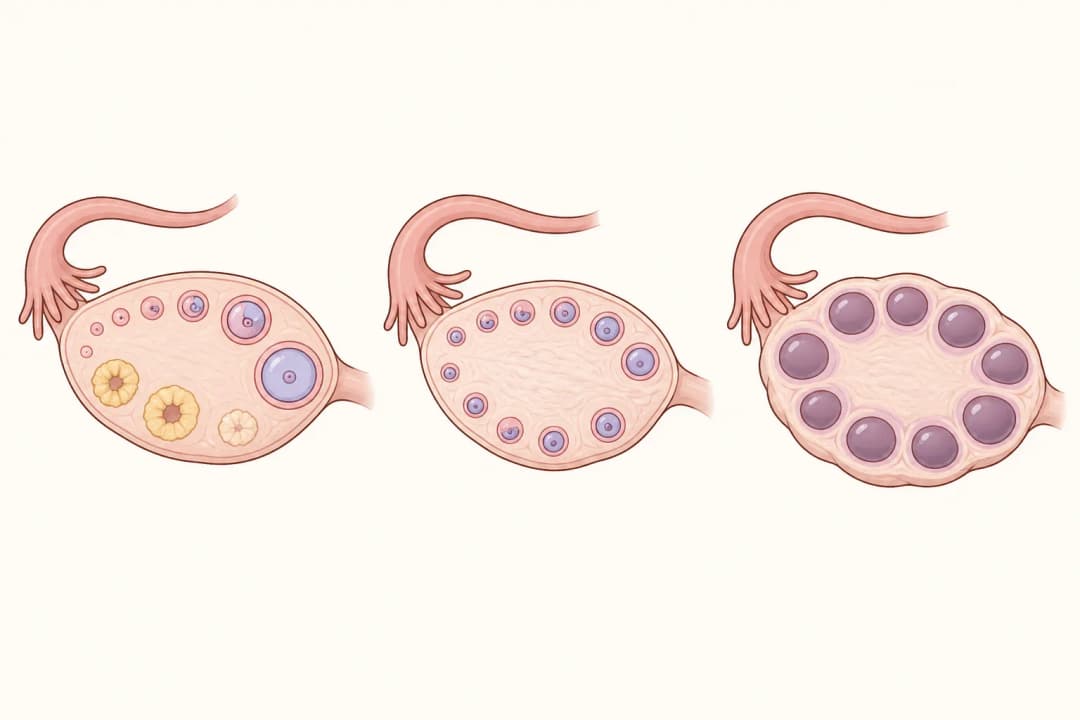
PCOS can disrupt the regular release of an egg. Ovulation induction aims to help an egg mature and be released, which can create an opportunity for pregnancy. Your clinician may review your cycle pattern, pregnancy goals, medicines, and other fertility factors before treatment.
You may have ultrasound checks and sometimes blood tests to see how your ovaries are responding. The plan can be adjusted if follicles are not developing as expected or if too many are developing. Ovulation may be timed with intercourse or insemination, depending on your care plan.
How to prepare and take part
Take each medicine exactly as prescribed and attend monitoring appointments, even if you feel well. Keep a record of bleeding, medication doses, and symptoms. Ask which days are suitable for intercourse or a planned procedure, and tell the clinic about all medicines and supplements you use.
Mild pelvic discomfort, bloating, headache, or mood changes can occur with fertility medicines. Do not change the dose or add an over-the-counter product without checking first.
When to contact your care team
Contact your fertility clinic promptly for increasing abdominal swelling, significant pelvic pain, repeated vomiting, shortness of breath, faintness, or reduced urination. These symptoms need assessment because ovarian stimulation can occasionally cause an excessive response. Seek urgent care for severe pain, heavy bleeding, or collapse.
Questions for your doctor
Ask which medicine is planned, how response will be monitored, what happens if ovulation does not occur, and when to call about side effects. Clarify the timing of intercourse or insemination and when a pregnancy test should be taken.
Find care
General Clinics & Polyclinics in Abu Dhabi
That answer is general. If you want it applied to your own case, these are licensed general clinics & polyclinics listed in Abu Dhabi.
27 Ar Ruwwad St - Shakhbout City - MSH4 - Abu Dhabi - United Arab Emirates
Accepts: Daman, Thiqa, Cigna, MetLife +20 more
Al Ruwais, Al Dhafrah
Accepts: Daman, Thiqa, AXA, Cigna +16 more
Al Bahyah - Al Bahyah Old - Abu Dhabi - United Arab Emirates
Accepts: Daman, Thiqa, Cigna, Allianz Care +18 more
Abu Dhabi
Accepts: Daman, Thiqa, AXA, Cigna +27 more
Ordered by verification status and how complete each clinic's public record is, then alphabetically. This is a directory listing, not a ranking — Zavis does not rate or recommend providers.
A factual listing drawn from the DHA, DOH and MOHAP licence registers. It is not a referral, an endorsement, or advice that any of these providers is right for you.
Questions people ask
Will ovulation induction cure PCOS?
No. It targets ovulation for a fertility goal; PCOS itself may still affect cycles and other symptoms.
Can treatment be stopped during a cycle?
Your clinic may pause or change a cycle if the ovarian response is unsuitable. Follow the team’s instructions rather than stopping medicines independently.
Related
Related reading
Keep reading
Medical disclaimer. This page is general health information, not medical advice, and it cannot diagnose you. Always consult a licensed healthcare provider about your own symptoms and treatment. In an emergency in the UAE, call 998 for an ambulance.