
What to expect from inhaler therapy for asthma
Short answer
Expect an inhaler plan tailored to your symptoms, teaching on device technique, regular review, and clear instructions for daily and reliever medicines.
This answers one question. It is not a diagnosis and does not replace an assessment by a licensed doctor.
At a glance
- Preventer
- Used regularly to reduce airway inflammation
- Reliever
- Used as directed for sudden symptoms
- Technique
- A clinician can check each inhalation step
How asthma inhalers work
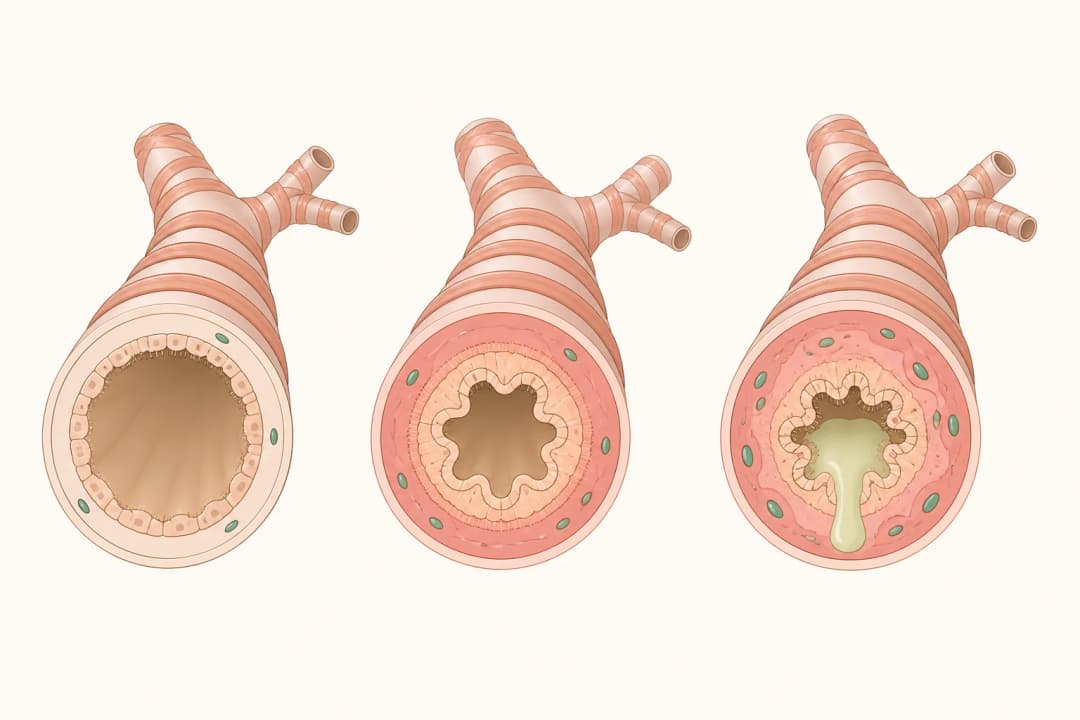
Preventer inhalers reduce inflammation in the airways when used regularly. Reliever inhalers open narrowed airways and are used according to your action plan for symptoms. Some people use a combination inhaler, while others have separate devices. The correct choice depends on age, symptoms, triggers, lung function and other health factors.
A clinician may watch you use the device because small technique errors can leave medicine in the mouth instead of the lungs. A spacer can make a pressurised inhaler easier to use and help more medicine reach the airways. Rinse your mouth after a steroid inhaler if advised.
Using treatment safely
Use the preventer on the schedule prescribed, even when breathing feels settled. Keep the reliever accessible and check the dose counter or supply before travel. Ask for a written asthma action plan covering ordinary symptoms, worsening symptoms and emergency steps. Do not change doses or stop a preventer without clinical advice.
At review, discuss night waking, exercise limitation, wheeze, cough, reliever use and possible triggers. Bring every inhaler to the appointment so technique and device choice can be checked.
When to seek urgent care
Follow your action plan when symptoms worsen. Seek urgent help if breathing remains difficult after using the reliever as directed, you cannot speak comfortably, your lips look blue, you become drowsy, or symptoms progress quickly. Repeated need for a reliever, night symptoms or reduced activity should prompt a treatment review even if an emergency has not occurred.
Questions for your doctor
Ask which inhaler is a preventer, which is a reliever, how many doses to use, whether a spacer is suitable, how to clean the device, and when your plan should be reviewed.
Find care
General Clinics & Polyclinics in Abu Dhabi
That answer is general. If you want it applied to your own case, these are licensed general clinics & polyclinics listed in Abu Dhabi.
27 Ar Ruwwad St - Shakhbout City - MSH4 - Abu Dhabi - United Arab Emirates
Accepts: Daman, Thiqa, Cigna, MetLife +20 more
Al Ruwais, Al Dhafrah
Accepts: Daman, Thiqa, AXA, Cigna +16 more
Al Bahyah - Al Bahyah Old - Abu Dhabi - United Arab Emirates
Accepts: Daman, Thiqa, Cigna, Allianz Care +18 more
Abu Dhabi
Accepts: Daman, Thiqa, AXA, Cigna +27 more
Ordered by verification status and how complete each clinic's public record is, then alphabetically. This is a directory listing, not a ranking — Zavis does not rate or recommend providers.
A factual listing drawn from the DHA, DOH and MOHAP licence registers. It is not a referral, an endorsement, or advice that any of these providers is right for you.
Questions people ask
Should I use my preventer when I feel well?
Usually, yes if it has been prescribed regularly; its purpose is to control airway inflammation between symptoms.
Why is a spacer suggested?
It can make coordination easier with some inhalers and help medicine reach the lungs.
Related
Related reading
Keep reading
Medical disclaimer. This page is general health information, not medical advice, and it cannot diagnose you. Always consult a licensed healthcare provider about your own symptoms and treatment. In an emergency in the UAE, call 998 for an ambulance.